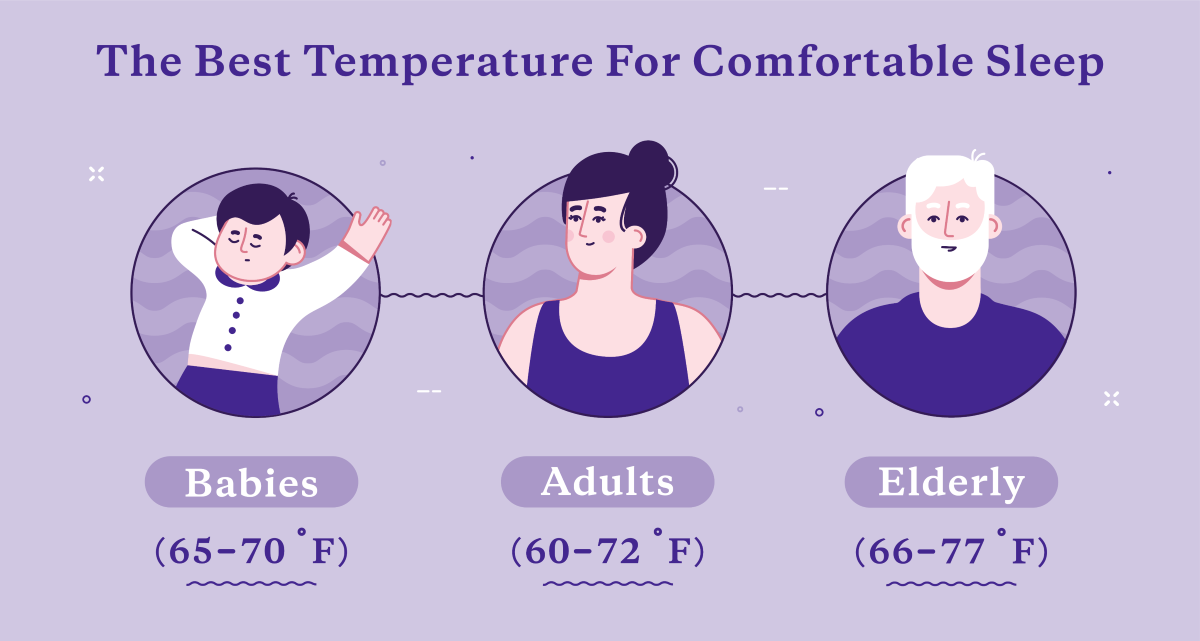
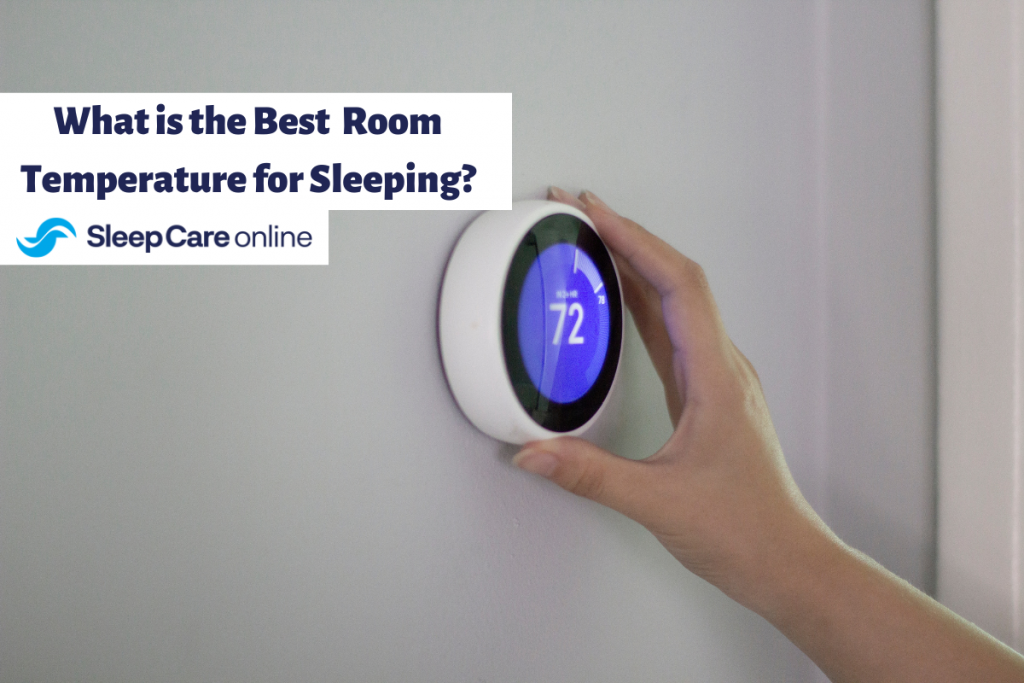
The Ideal Room Temperature For Sleeping Is 75
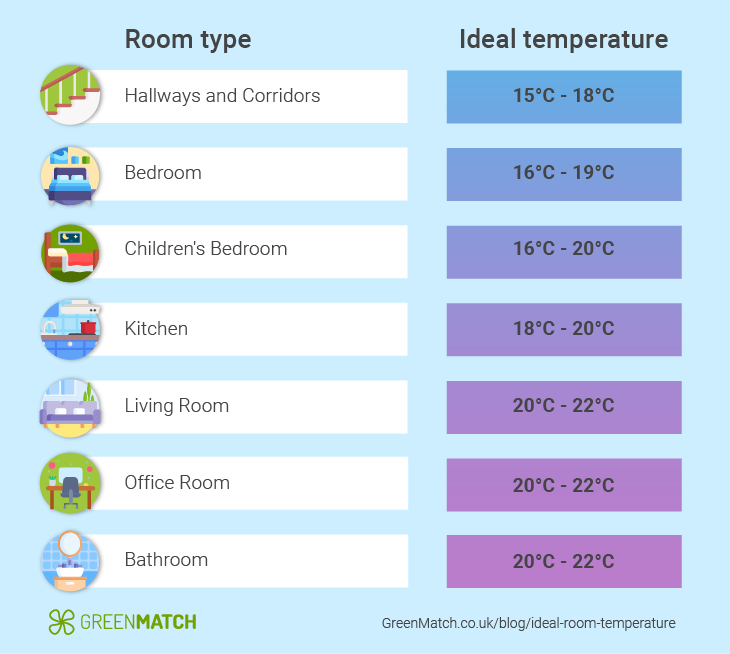
Okay, let's talk about something we all do (hopefully!): sleep. And more specifically, the temperature of the room where we do it. For years, you've probably been told the ideal sleeping temperature is somewhere around 65 degrees Fahrenheit. Crisp, cool, practically polar bear territory. But I'm here to tell you – everything you thought you knew is wrong. Get ready to crank up that thermostat, folks, because the real ideal sleep temperature is… 75 degrees Fahrenheit!
I know, I know. You're probably clutching your pearls (or, you know, reaching for your extra-thick duvet). "75 degrees? Are you trying to cook me alive?!" you're likely thinking. Images of sweaty nightmares and sticky sheets are probably flashing before your eyes. But bear with me, because the science – and let's be honest, the sheer comfort – might just surprise you.
The Great 75-Degree Sleep Revolution
Think about it. What happens when you're cold? You shiver. Your muscles tense. Your body is actively working to stay warm, which is the opposite of relaxing. And relaxation, my friends, is the name of the game when it comes to quality sleep.
Must Read
Imagine you are snuggled under a light blanket. It's not suffocating; it's like a gentle hug. Your muscles are relaxed. You feel safe and secure. That's the 75-degree sweet spot! It's about creating a cozy, inviting environment that encourages your body to unwind and drift off to dreamland.
Consider this scenario. You're camping on a summer night. The temperature is just right, a comfortable 75 degrees. A gentle breeze whispers through the trees. You are wrapped in a sleeping bag and can hear crickets chirping in the background. You are not shivering, and you are not sweating. This is a perfect example of a 75-degree paradise!
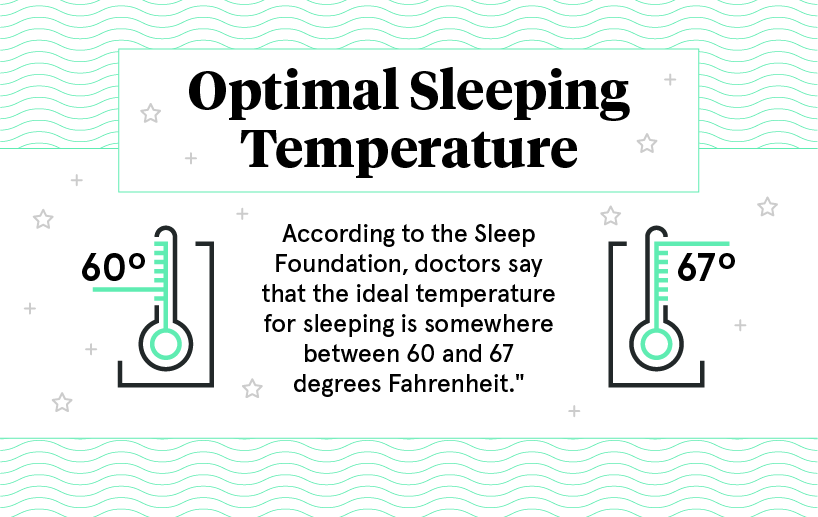
Believe it or not, a slightly warmer room can actually help you fall asleep faster. It mimics the natural temperature dip our bodies experience as we prepare for sleep.
The Pajama Paradox
Now, I know what you are thinking. "What about pajamas?" And the answer is: experiment! Maybe you're a minimalist who thrives in the buff (more power to you!). Or perhaps you prefer a light cotton pajama set. The key is to find what works for you within that 75-degree window. Don't be afraid to ditch the heavy flannel PJs you've been clinging to since winter. Embrace the freedom of lighter fabrics! This is your permission slip to upgrade your sleepwear.
And let's not forget the joy of a perfectly chosen blanket. A light, breathable throw is your best friend here. Think linen, bamboo, or a super-soft knit. It's about creating a cocoon of comfort, not a sauna.

Embrace the Warm Side
So, are you ready to join the 75-degree sleep revolution? It might seem counterintuitive at first, especially if you're a lifelong advocate of the "sleep in a freezer" philosophy. But I urge you to give it a try. You might be surprised at how much better you sleep. It is not about being hot, it is about being comfortable.
Of course, everyone is different. This isn't a one-size-fits-all solution. Experiment with what works best for your body and your personal preferences. Consider factors like humidity, your bedding, and whether you sleep alone or with a partner (who might have their own temperature preferences!).
The Bottom Line: Don't be afraid to challenge the conventional wisdom about sleep temperature. Maybe, just maybe, the secret to a good night's rest is a little bit warmer than you thought. So, go forth, adjust your thermostat, and prepare for the coziest, most restful sleep of your life! Embrace the warmth, and sweet dreams!