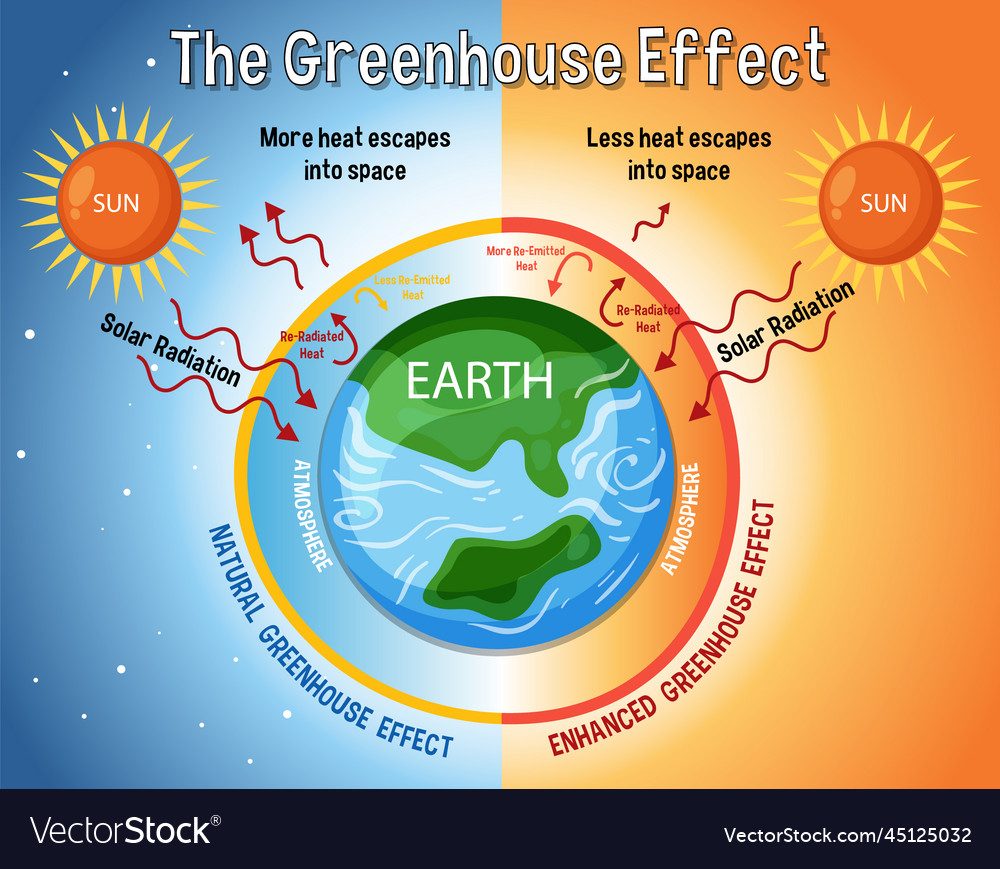
The Greenhouse Effect Contributes Directly To
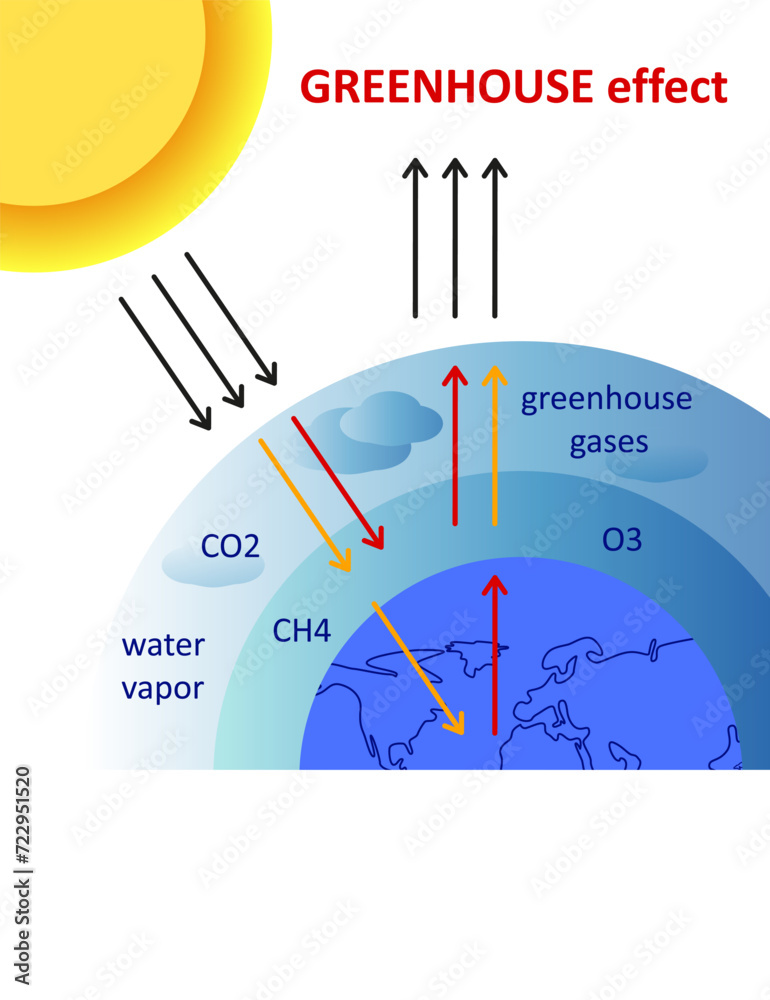
Okay, let's talk about something we hear about all the time, but sometimes glaze over: the Greenhouse Effect. We know it's about the Earth getting warmer, but what exactly does it directly contribute to? Buckle up, because it's more than just melting polar bears (though, yeah, that's definitely part of it).
Rising Sea Levels: Bye-Bye Beachfront Property?
First and foremost, the Greenhouse Effect is a major player in rising sea levels. As the planet warms, glaciers and ice sheets melt at an accelerated rate, dumping massive amounts of water into the oceans. Think of it like this: remember that time you left an ice cube in your drink on a hot summer day? Same principle, just on a planetary scale.
And it's not just melting ice. Warmer water also expands, a phenomenon called thermal expansion. So, the oceans are literally getting bigger. This spells trouble for coastal communities worldwide, threatening homes, infrastructure, and entire ecosystems. Venice, anyone? They're already dealing with increasing floods, and they're not alone.
Must Read
Extreme Weather Events: When Mother Nature Goes Metal
The Greenhouse Effect doesn't just gently turn up the thermostat; it cranks it up and messes with the whole system. This leads to an increase in the frequency and intensity of extreme weather events.
We're talking more frequent and powerful hurricanes, longer and more intense droughts, and heavier rainfall leading to devastating floods. Remember that heatwave that made it impossible to even think about leaving the house last summer? Yep, the Greenhouse Effect probably had something to do with that. Climate change isn't some distant future problem; it's impacting us now, making weather patterns more unpredictable and often, more dangerous.

Changes in Agricultural Yields: Our Dinner Plates Are Feeling It
Our food supply is surprisingly sensitive to changes in temperature and precipitation. The Greenhouse Effect, by altering these patterns, is messing with agricultural yields in many regions.
Some areas might become too hot or dry to support certain crops, while others might experience increased flooding that ruins harvests. This could lead to food shortages, price increases, and economic instability, especially in regions already struggling with food security. So, that avocado toast you love? Its future might be a little uncertain. Farmers all over the world are experimenting with new techniques to adjust to the changes, but its an uphill battle.

Ocean Acidification: Nemo's in Trouble
The ocean absorbs a significant portion of the carbon dioxide released into the atmosphere. While this helps to mitigate the Greenhouse Effect to some extent, it comes at a cost: ocean acidification. As the ocean absorbs more CO2, it becomes more acidic, which negatively impacts marine life, especially creatures with shells and skeletons made of calcium carbonate, like corals, shellfish, and plankton.
Think of it like osteoporosis, but for the ocean's inhabitants. Coral reefs, which are vital ecosystems that support a huge amount of marine biodiversity, are particularly vulnerable. This threatens not only marine life but also the livelihoods of millions of people who depend on the ocean for food and income.
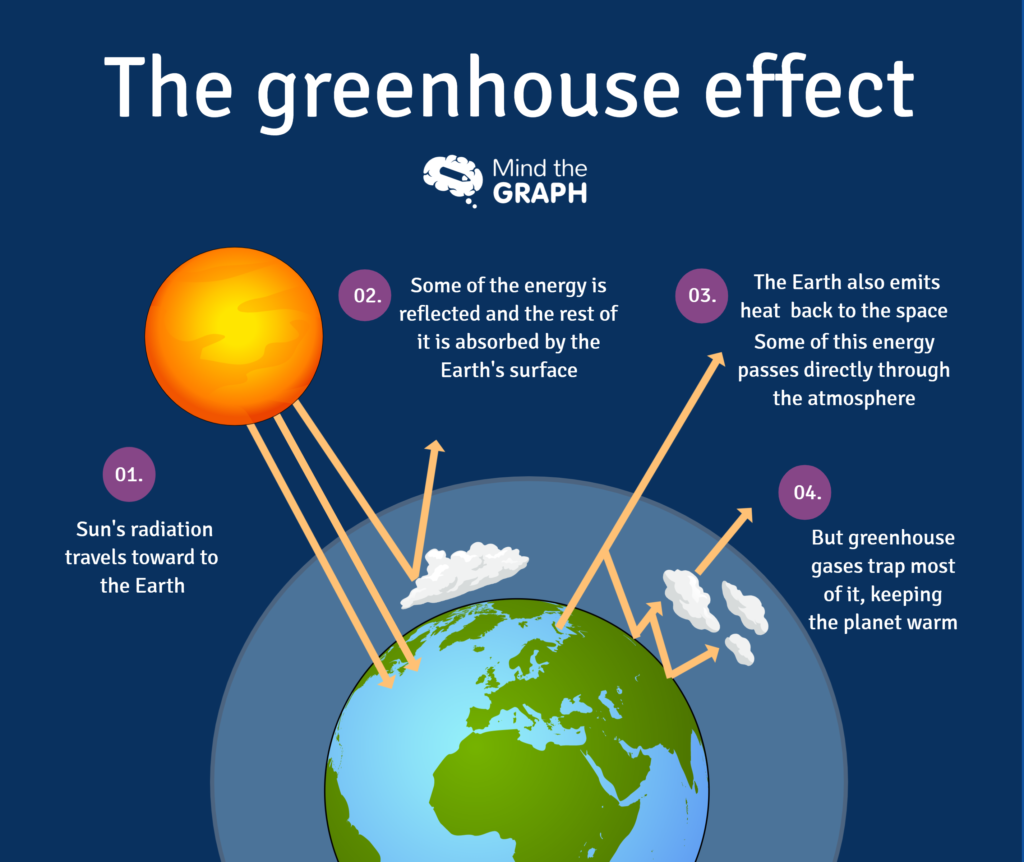
What Can We Do? (The "Netflix and Chill" Version)
Okay, so it's not all doom and gloom. There are things we can do to mitigate the effects of the Greenhouse Effect. And no, you don't need to become a hermit living off the grid (unless you want to, of course). Small changes in our daily lives can make a big difference.
- Reduce your carbon footprint: Walk, bike, or take public transport whenever possible. Consider a hybrid or electric vehicle.
- Eat less meat: Animal agriculture is a significant contributor to greenhouse gas emissions. Even reducing your meat consumption by one or two meals a week can help.
- Conserve energy: Turn off lights when you leave a room, unplug electronics when you're not using them, and consider investing in energy-efficient appliances.
- Support sustainable businesses: Choose products and services from companies that are committed to reducing their environmental impact.
- Speak up: Talk to your friends and family about climate change and encourage them to take action. Contact your elected officials and let them know that you support policies that address climate change.
Basically, be a conscious consumer and a responsible citizen. It's not about perfection; it's about progress. Every little bit helps.
A Little Reflection
The Greenhouse Effect might seem like some abstract scientific concept, but it's deeply intertwined with our daily lives. From the food we eat to the weather we experience, its impacts are all around us. By understanding its consequences and taking steps to reduce our own impact, we can help create a more sustainable future for ourselves and generations to come. It's not just about saving the planet; it's about saving our way of life. It's about ensuring that future generations can enjoy the same beaches, the same food, and the same natural wonders that we do today.