
The Energy In Fossil Fuels Is Often Converted Into
Hey there, energy enthusiast! Ever wonder what really happens after we dig up all those fossil fuels? I mean, it's not like we're feeding coal to our pet dinosaurs (though, wouldn't that be a sight?), so what's the deal?
Well, the short answer is: the energy stored in fossil fuels gets converted into all sorts of other forms of energy. But let's dive a little deeper because "all sorts" is a pretty vague term, right? Think of it like saying you're having "all sorts" of food for dinner. Could be pizza, could be haggis… a pretty wide spectrum!
The Big Three: Heat, Electricity, and Motion
Okay, so let's break it down. The primary things we convert fossil fuel energy into are: heat, electricity, and motion. Think of these as the rockstars of the energy conversion world.
Must Read
Heat: This is the most straightforward. We literally burn the fossil fuels – coal, oil, natural gas – in furnaces. That burning process releases a ton of heat. This heat can then be used for… well, heating! We use it to warm our homes, boil water, and even power some industrial processes.
Think of it like a really, really, REALLY big campfire. Except instead of roasting marshmallows (sadly), we're powering entire cities.
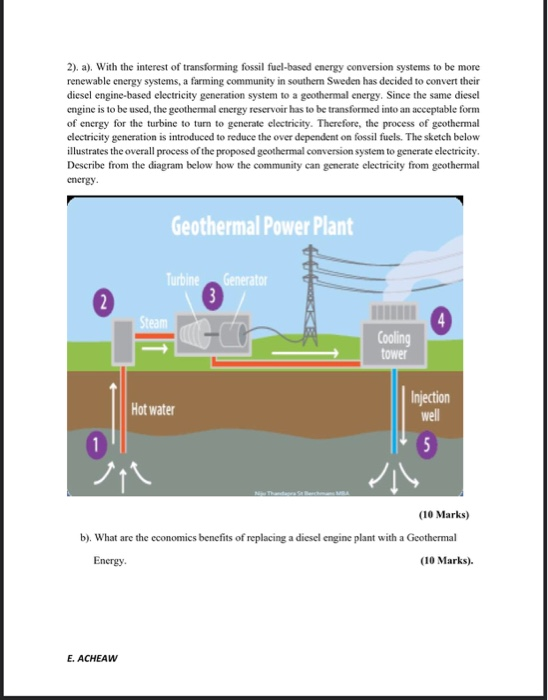
Electricity: Here’s where things get a little more exciting (pun intended!). We use the heat from burning fossil fuels to boil water (yup, more boiling water!). This creates steam, which then spins a turbine. The turbine is connected to a generator, which, through the magic of electromagnetism, converts the spinning motion into electricity. Voila! Power for your phone, your TV, and your ridiculously complicated coffee maker.
Basically, we're playing a sophisticated game of hot potato with energy, passing it from fuel to heat to steam to spinning to electricity. Who knew energy could be so athletic?
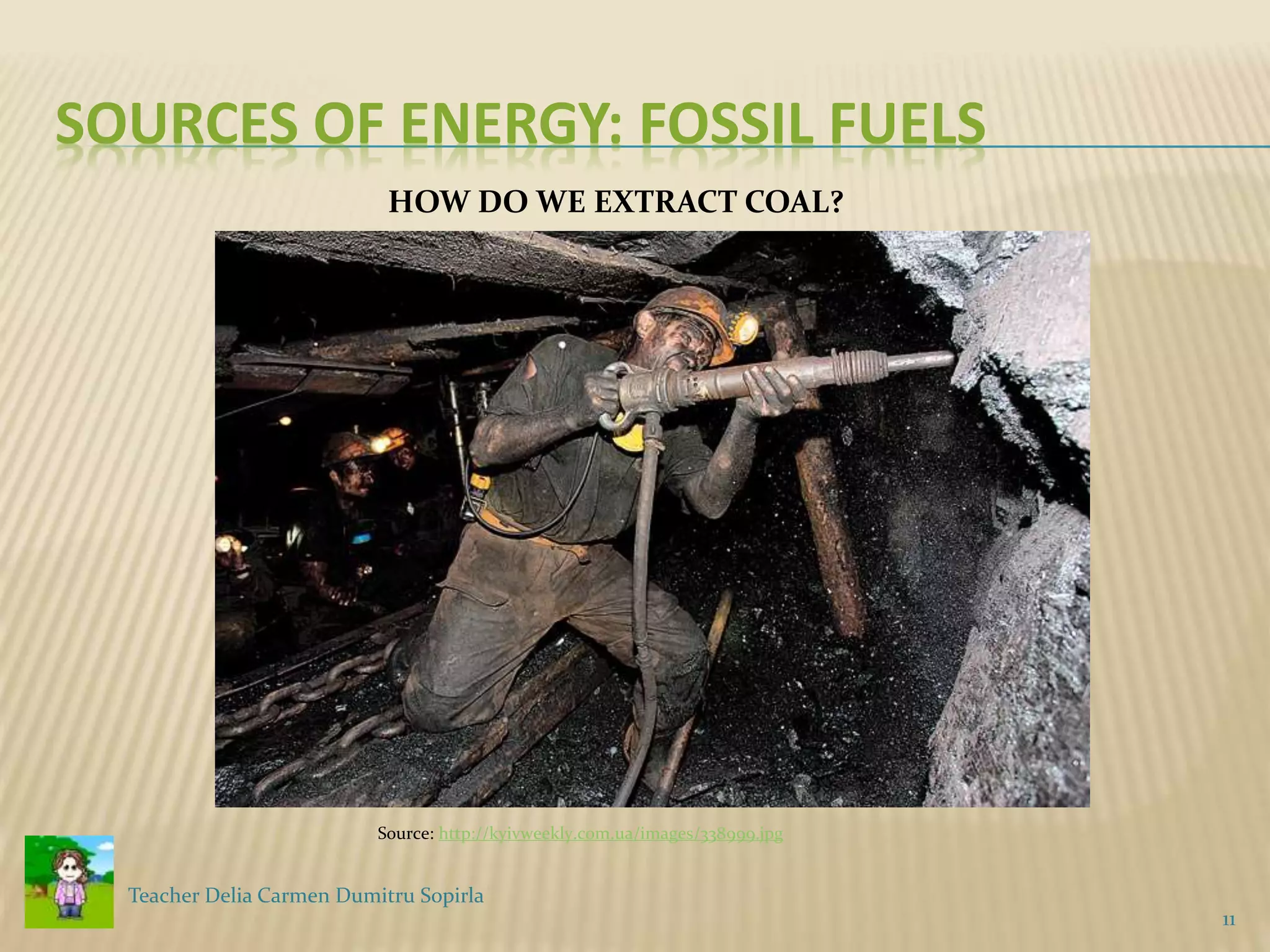
Motion: Okay, this one is pretty obvious. We burn fossil fuels (mostly gasoline or diesel) in engines to power cars, trucks, planes, and ships. The burning fuel creates an explosion that pushes pistons, which turns a crankshaft, which eventually turns the wheels (or propellers, or whatever). This is what gets us from point A to point B (or even from Earth to the Moon!).
Think of it as miniature, controlled explosions driving your daily commute. Sounds a bit dramatic, doesn't it?
Beyond the Big Three: Other Conversions
But wait, there's more! While heat, electricity, and motion are the main outputs, the energy in fossil fuels can also be indirectly converted into other forms.
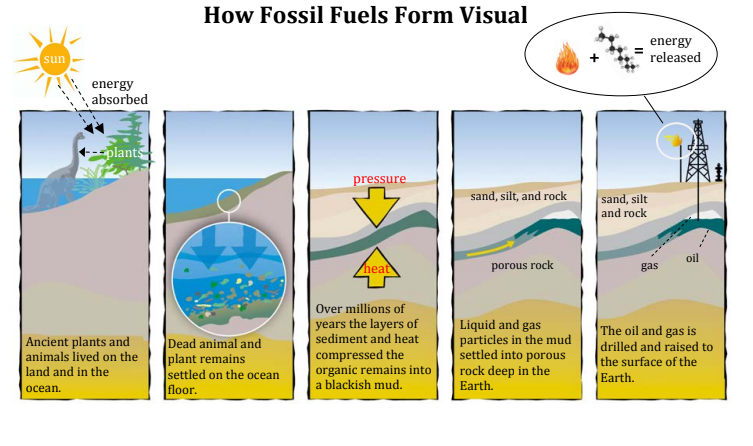
For example, consider the production of plastics. Fossil fuels are used as the raw materials for creating plastics. So, in a way, the energy is transformed into the potential energy stored within the plastic itself. It's like a weird, long-term energy bank account!

And don't forget about fertilizers! Fossil fuels are used in the production of many fertilizers, which then help crops grow. So, indirectly, fossil fuel energy is contributing to the production of food – which, of course, gives us human energy!
It's all connected, you see! Like a giant, slightly messy, energy web.
The Future of Energy Conversion
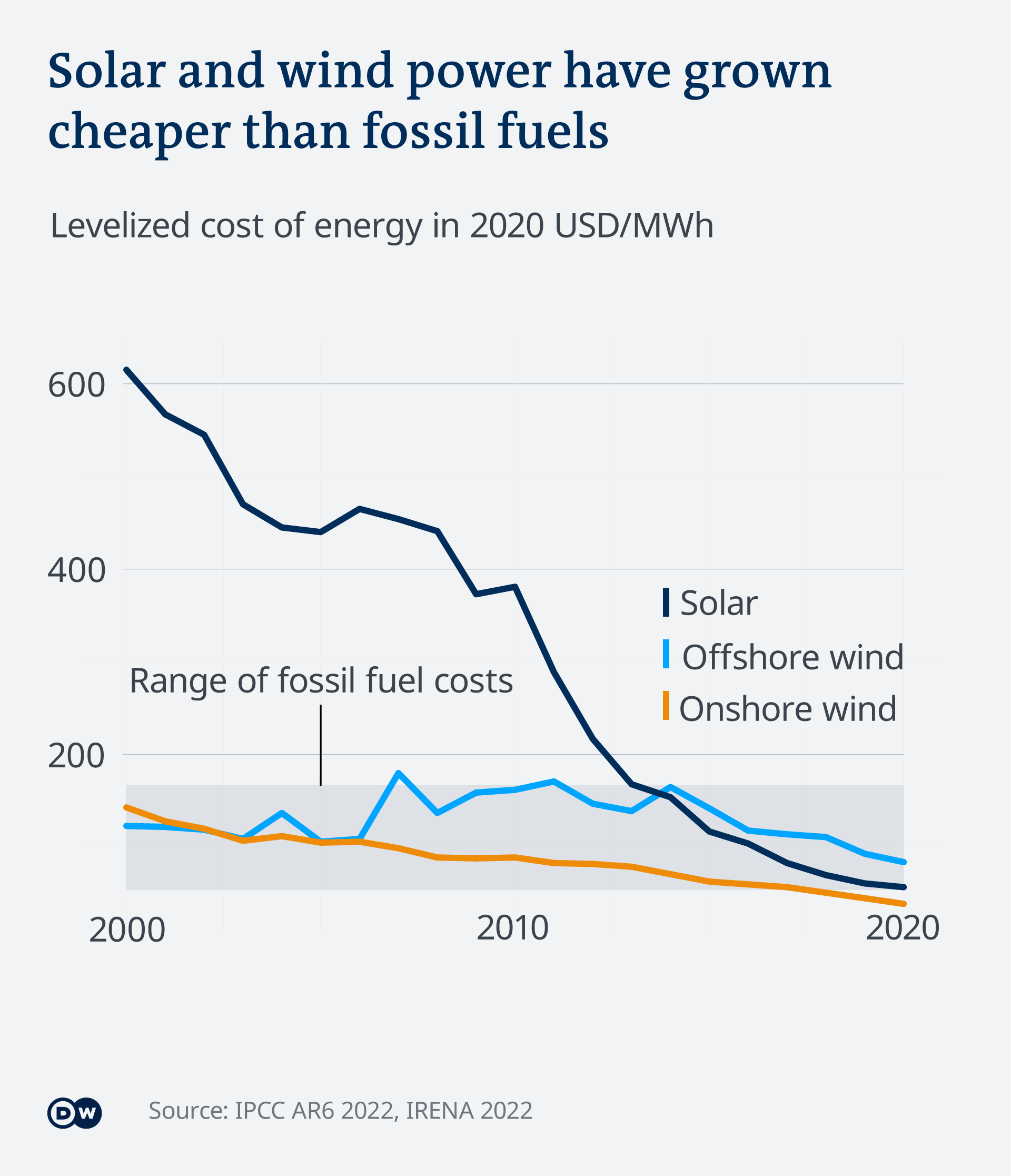
Now, before you get too comfy with all this fossil fuel talk, it's important to remember that these resources are finite and their use contributes to climate change. That’s why there’s a HUGE push to develop and implement renewable energy sources, like solar, wind, and geothermal.
These sources, too, go through energy conversion processes – solar panels convert sunlight into electricity, wind turbines convert wind energy into electricity, and so on. The goal is to find cleaner, more sustainable ways to meet our energy needs.
Think of it as leveling up in the energy game! We're moving beyond fossil fuels and finding new, more eco-friendly ways to power our world.
So, there you have it! The energy in fossil fuels gets converted into a variety of forms, ultimately powering our homes, our transportation, and our industries. While these fuels have been essential to our development, the future lies in embracing cleaner, more sustainable energy sources. The possibilities are exciting, and the future is bright (powered by renewable energy, of course!). Keep learning, keep exploring, and remember that even small changes can make a big difference. You've got this!