The Difference Between A Hurricane And A Typhoon
Ever watched a weather report and heard terms like "hurricane" and "typhoon" thrown around? They sound incredibly powerful, and maybe even a little scary! But have you ever wondered if they're actually different things, or just fancy names for the same stormy beast? Understanding the difference is not only fascinating, but it can also be incredibly useful, especially if you live in a region prone to these weather events. Plus, knowing the science behind it all just makes you a cooler conversationalist, right?
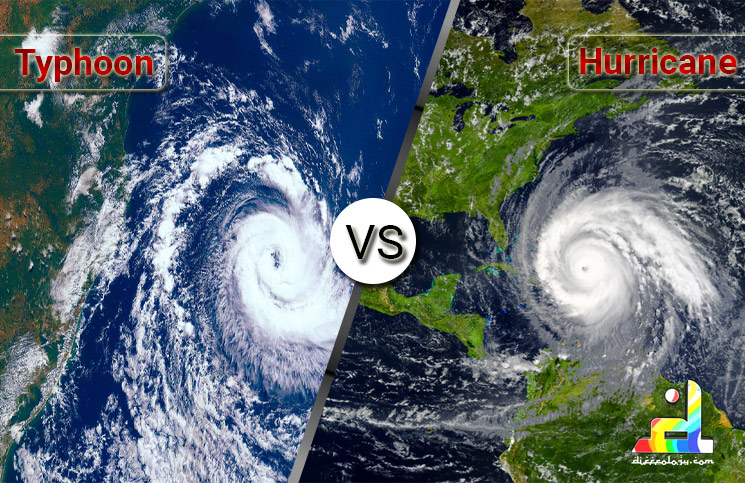
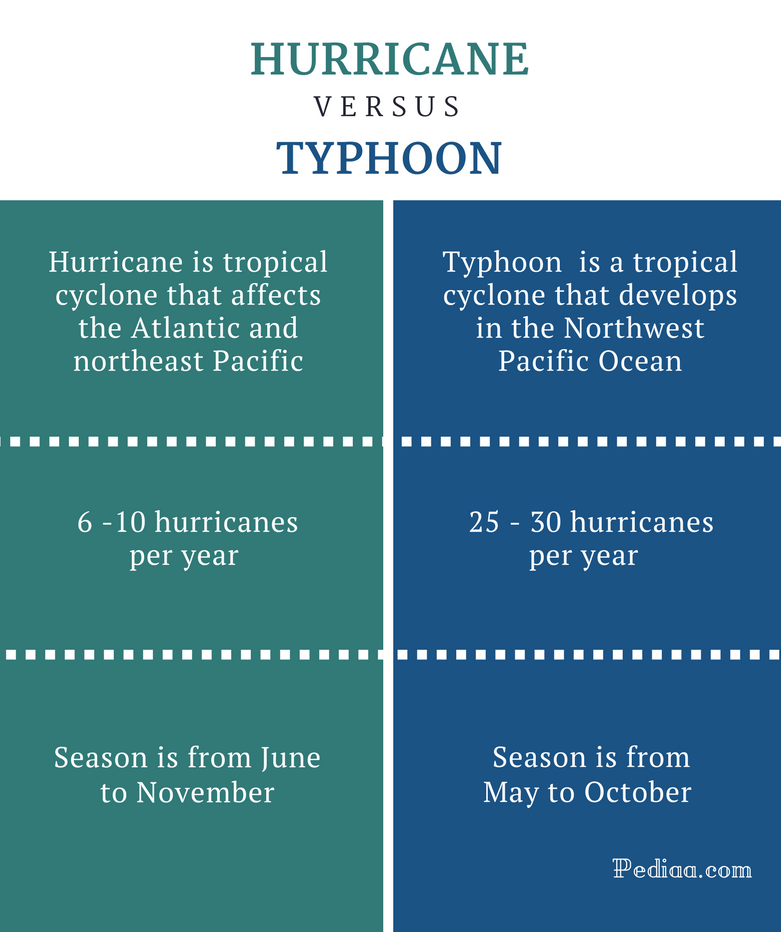
So, what's the deal? Are hurricanes and typhoons different species of storms? The answer is surprisingly simple: they're the same thing! Yes, you read that right. Hurricane, typhoon, and even cyclone are all just different names for the same type of weather phenomenon: a tropical cyclone. The name used depends solely on where in the world the storm occurs.
Think of it like this: "soda" and "pop" both refer to the same fizzy drink, but different regions use different terms. It's the same principle with these powerful storms. The purpose of these regional names is simply to communicate effectively within a specific geographic area. Knowing the local terminology helps emergency responders and meteorologists communicate clearly and efficiently to the public.
Must Read
Here's the breakdown by location:
- Hurricane: This term is used for tropical cyclones that form over the North Atlantic Ocean, the Northeast Pacific Ocean (east of the International Date Line), and the South Pacific Ocean (east of 160°E). So, if a big storm is brewing off the coast of Florida or Mexico, you'll likely hear it called a hurricane.
- Typhoon: If the same type of storm develops over the Northwest Pacific Ocean (west of the International Date Line), it's called a typhoon. This includes regions like Japan, the Philippines, and China.
- Cyclone: This term is generally used for tropical cyclones in the South Pacific Ocean (west of 160°E) and the Indian Ocean. So, you'd hear the term "cyclone" in places like Australia, India, and Madagascar.
Regardless of the name, these storms are all characterized by low-pressure centers, strong winds that spiral inward, and heavy rainfall. They form over warm ocean waters and draw their energy from the moisture in the air. The strength of a tropical cyclone is measured using different scales, depending on the region, but they all essentially assess the wind speed and potential damage.

The benefits of understanding these different names are more than just trivia. Knowing that a "typhoon" is the same as a "hurricane" allows you to better interpret international weather reports and understand the global impact of these powerful storms. More importantly, it helps you stay informed and prepared, no matter where in the world you are.
So, next time you hear about a hurricane, typhoon, or cyclone, remember they're all part of the same potentially devastating, but undeniably fascinating, weather family!