The Complete Failure Of A Building Is Known As
Ever wonder what happens when a building project goes… spectacularly wrong? We're not talking about a leaky faucet or a misplaced window. We're talking about a complete and utter collapse, both figuratively and literally. It's a grim topic, sure, but understanding the term for such a disaster and the factors that contribute to it can be surprisingly fascinating and even useful. After all, learning from mistakes – especially monumental ones – is crucial for progress in any field.
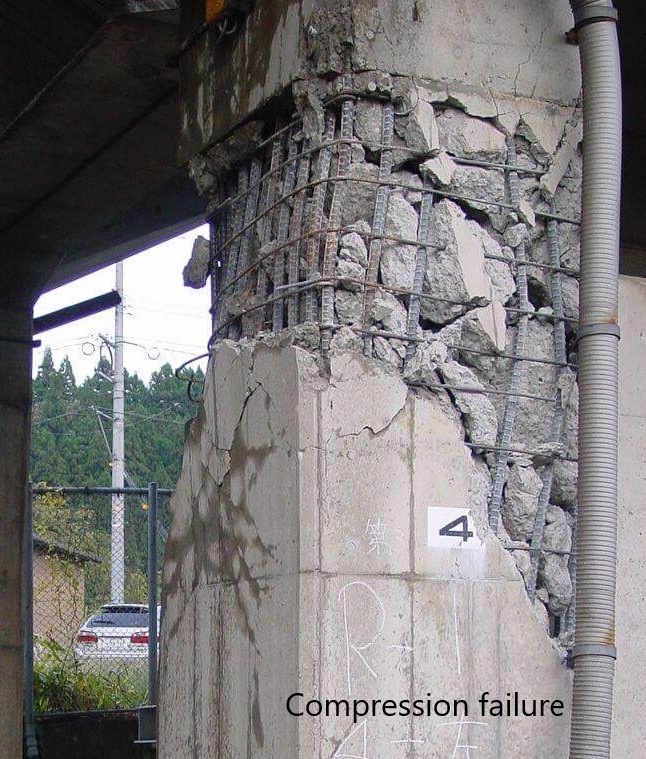
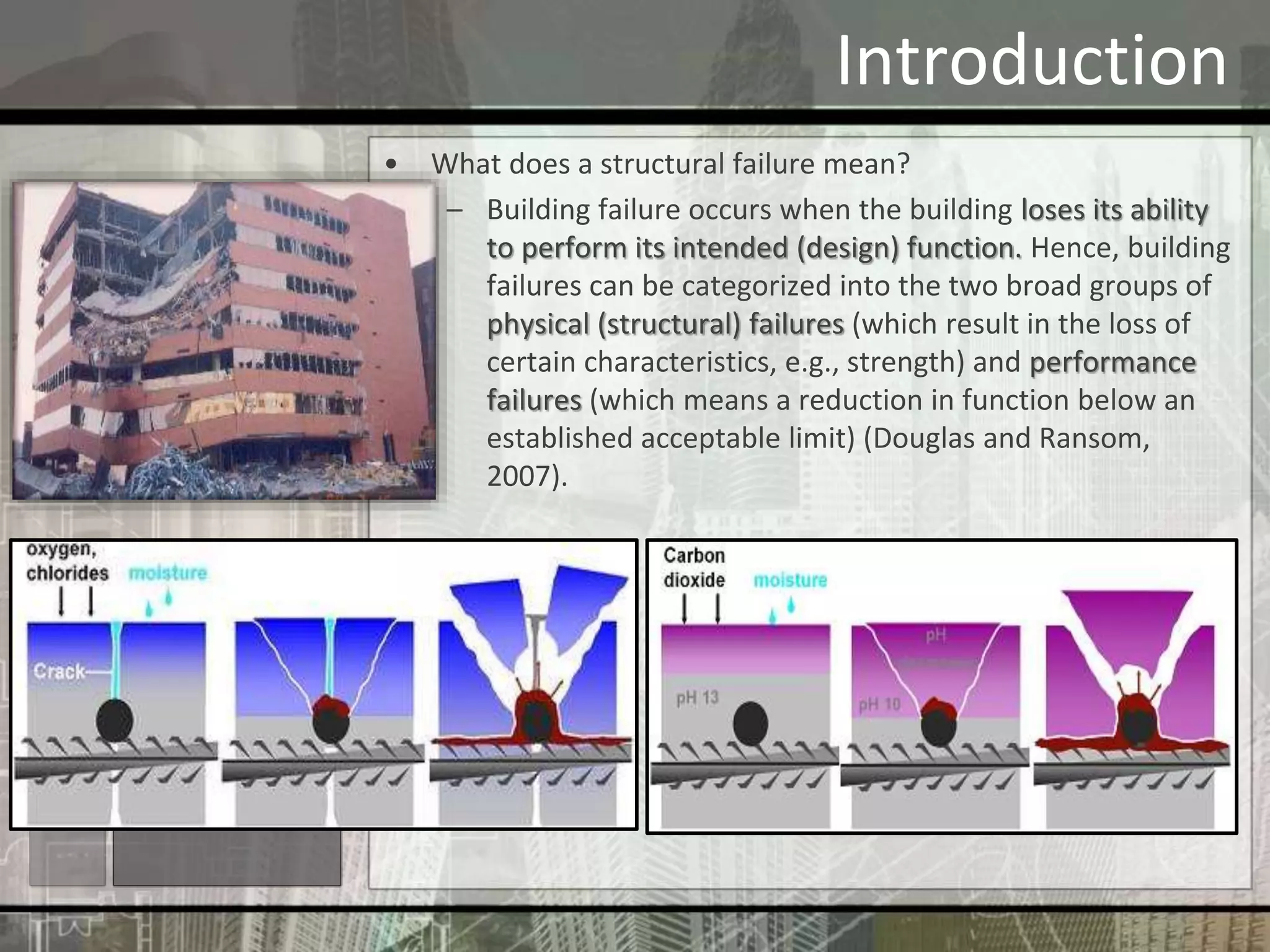
So, what do we call the absolute failure of a building? The answer is often referred to as a structural collapse. While technically encompassing any kind of structural failure, including partial collapses, the term is often used when a building becomes uninhabitable or is destroyed completely due to fundamental flaws in its design, construction, or maintenance.
Why is understanding this important? Well, besides satisfying our morbid curiosity, understanding structural collapse allows us to appreciate the complex interplay of engineering principles, material science, and real-world conditions that go into creating safe and sturdy structures. It shines a light on the importance of rigorous testing, meticulous oversight, and ongoing maintenance. Think of it like learning about plane crashes – it's not about sensationalism, but about identifying the root causes to prevent future tragedies.
Must Read
The benefits of grasping this concept extend beyond just appreciating architecture. It helps us become more informed citizens, capable of asking critical questions about the infrastructure around us. Are our bridges being properly inspected? Are new construction projects adhering to safety regulations? An awareness of structural failure allows us to advocate for better building practices and hold responsible parties accountable.
Examples of learning about structural collapse can be found in various contexts. In engineering education, case studies of famous collapses like the Tacoma Narrows Bridge (Galloping Gertie) or the Sampoong Department Store are essential learning tools. They demonstrate the devastating consequences of resonance, poor construction, and neglecting warning signs. In daily life, even a basic understanding can inform our observations – noticing cracks in walls, unusual settling in a building, or signs of water damage can be early indicators of potential problems that should be addressed by professionals.

How can you explore this topic further? Start with simple online searches for "famous structural collapses." Many websites and documentaries detail the causes and consequences of these events. Consider reading articles about building codes and regulations in your area. You can also look for online resources from engineering societies and construction industry organizations. Be mindful of sensationalized content and focus on reputable sources that provide factual information and analysis.
Ultimately, understanding the concept of structural collapse isn't about fear-mongering. It's about fostering a deeper appreciation for the science and art of building, and empowering ourselves to be more informed and responsible members of our communities. By learning from past failures, we can strive to create a safer and more sustainable built environment for the future. So, next time you walk past a towering skyscraper or cross a long bridge, take a moment to appreciate the incredible engineering and dedication that keeps it standing tall.