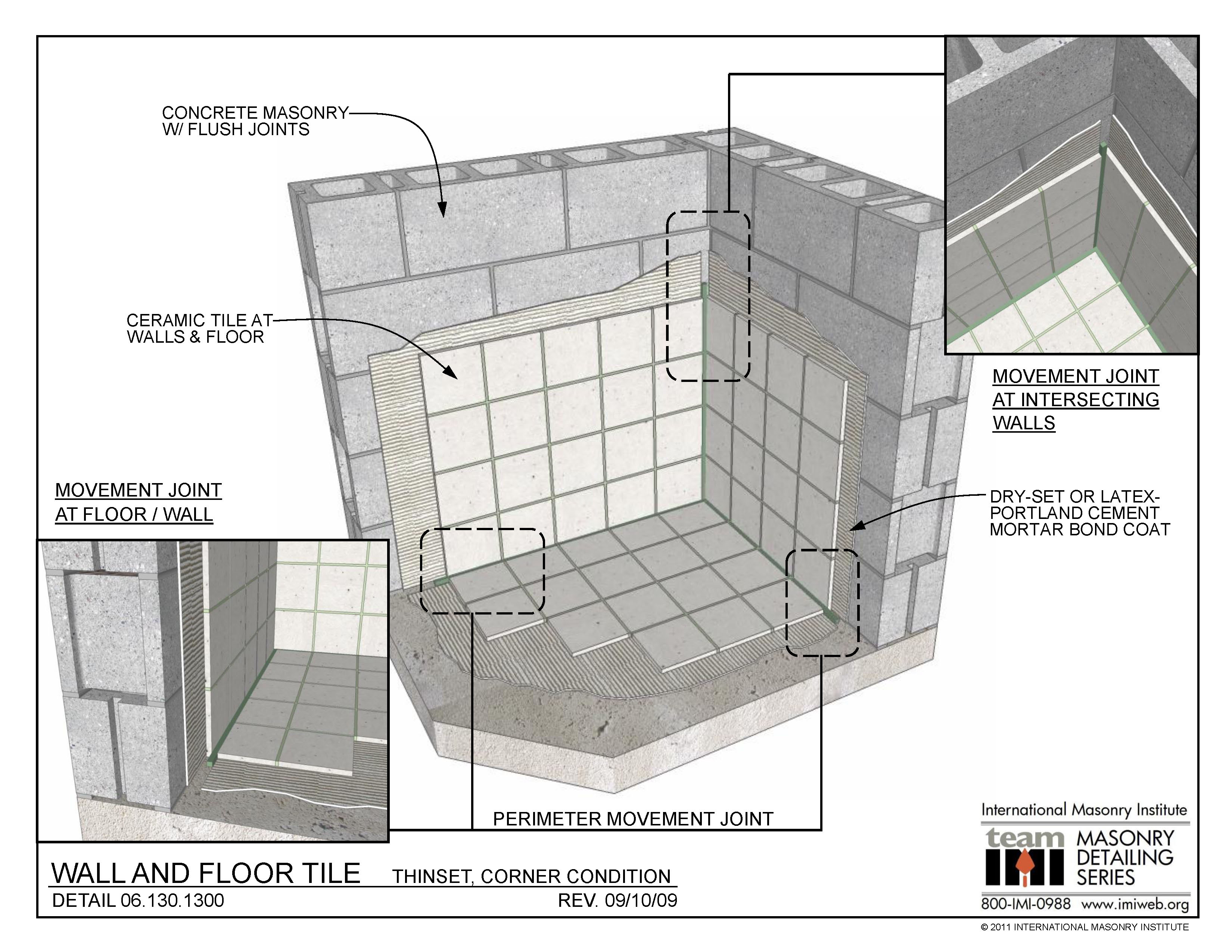
The Area Where Floors And Walls Meet Should Be

Have you ever noticed that intriguing space where the floor gracefully kisses the wall? That unassuming junction, often overlooked, is quietly becoming a canvas for creativity, a playground for the imagination, and a source of unexpected joy for artists and hobbyists alike. From intricate murals that seemingly grow from the skirting board to whimsical scenes that bring a room to life, the intersection of floor and wall is proving to be a surprisingly versatile and expressive area.
The benefits of embracing this unique space are manifold. For artists, it offers a fresh perspective and a challenge to traditional notions of composition. The unconventional dimensions force you to think outside the box (or rather, outside the rectangle!). For hobbyists, it's a low-stakes way to experiment with color, texture, and design without committing to a large-scale project. And for casual learners, it's a fantastic entry point into the world of art, a place to unleash your inner child and simply have fun. It’s all about embracing the unexpected and finding beauty in the everyday.
The possibilities are truly endless. Imagine a delicate floral vine painted along the baseboard, seemingly sprouting from the floor and climbing the wall. Or perhaps a playful cityscape, with miniature buildings nestled at the base of the wall, complete with tiny painted cars and pedestrians. Consider geometric patterns that flow seamlessly from the floor to the wall, creating a sense of depth and dimension. Even simple, abstract designs can transform the mundane into the extraordinary. Think bold, think colorful, and don’t be afraid to experiment!
Must Read
Ready to try it at home? Here are a few tips to get you started:
- Start small: Don't feel pressured to tackle a huge project right away. Begin with a small section of wall or floor.
- Plan your design: Sketch out your ideas beforehand to get a sense of scale and proportion.
- Prepare the surface: Clean the area thoroughly and consider priming it for better paint adhesion.
- Use the right materials: Choose paints and brushes appropriate for the surface you're working on. Acrylics are a good all-purpose option.
- Protect your surroundings: Use painter's tape to create clean lines and protect adjacent surfaces.
- Don't be afraid to make mistakes: It's all part of the learning process! Paint over any errors and try again.
Ultimately, painting or decorating where the floor and wall meet is enjoyable because it's a chance to break free from the ordinary. It's about transforming a neglected space into something special, something that reflects your personality and brings a smile to your face. It's about the joy of creation, the satisfaction of seeing your vision come to life, and the simple pleasure of adding a touch of beauty to your surroundings. So, grab your paintbrushes, let your imagination run wild, and discover the magic that awaits at the intersection of floor and wall. You might just surprise yourself!