Tesla Home Charging Cost Per Kwh
You did it! You brought home a shiny new Tesla. The future is here, right in your driveway. You gave it a name, probably. You’ve shown it off to your neighbors. You’ve experienced that thrilling acceleration that makes your stomach do a little flip. Life is good. Electric life is even better.
Now comes the practical part. Keeping your beauty charged up. The big promise of electric vehicles, especially a Tesla, is that charging at home will be dirt cheap. You imagine plugging it in at night, like charging your phone, and waking up to a full "tank" for pennies. A beautiful dream, isn't it?
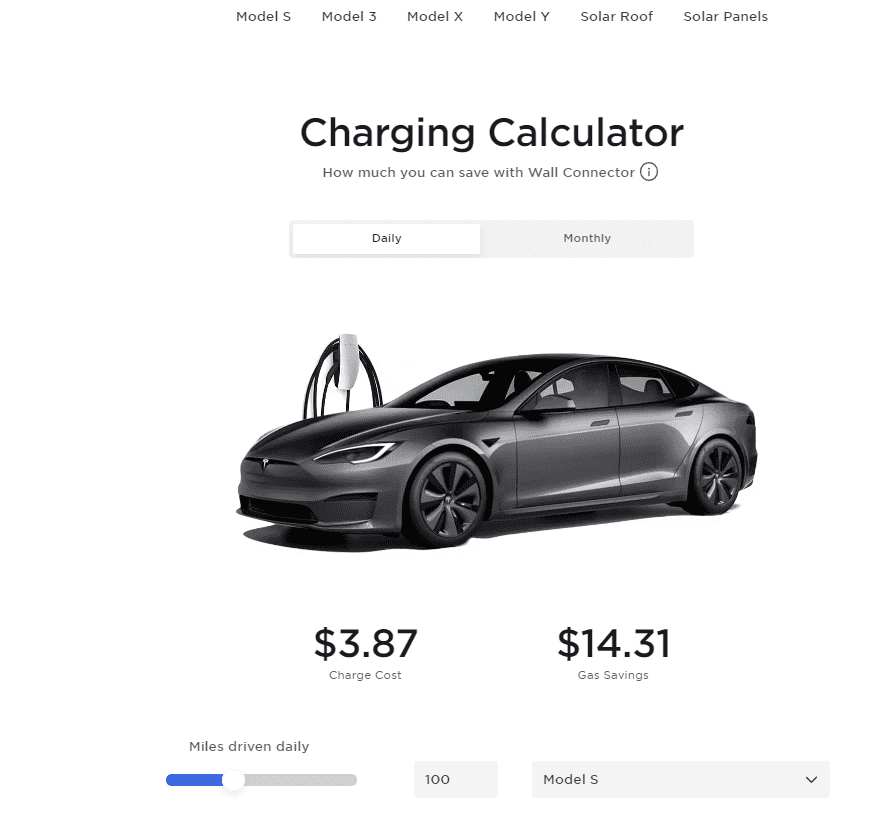
And for the most part, that dream is true. It’s definitely cheaper than filling up with gasoline. But let’s have a little giggle about that elusive number everyone talks about: the cost per kWh for charging your Tesla at home. It’s whispered about in forums. It’s debated among friends. It’s like the Bigfoot of electric car costs – everyone talks about it, but pinning down an exact, universal figure is surprisingly tricky.
Must Read
You see, when people ask, "What’s your home charging cost per kWh for your Tesla?" it feels like they expect a single, definitive answer. Like the answer to "What's the capital of France?" (It's Paris, by the way, not a trick question). But for Tesla home charging, it's rarely that simple. The truth is, it’s a bit of a chameleon, changing colors depending on where you live and who provides your power.
Your local utility company holds all the cards. They set the rates. And these rates can swing wildly. Are you in a city with super cheap hydro power? Or a state relying on more expensive sources? This alone makes a huge difference. Then there are the magical words: peak and off-peak hours. Plug in your Tesla during the daytime when everyone else is running their AC, and you might pay a premium. Wait until everyone’s asleep, and you might snag a discount.

It’s like a little game, isn't it? A game where you’re trying to optimize your charging schedule to hit those sweet, sweet off-peak rates. You might even find yourself looking at your power bill with new eyes, squinting at the fine print, trying to decipher the exact fraction of a cent you’re paying per kWh. It can be a mild form of madness, a delightful obsession for some.
And honestly, sometimes the exact cost per kWh can feel a bit like trying to find out how many sprinkles are on a donut. Interesting, perhaps, but not the main event. The main event is the donut itself – or in this case, the joy of driving your Tesla without ever visiting a gas station again. The sheer convenience of waking up to a "full tank" every morning, right in your garage, is often worth a few extra cents.
The Great kWh Debate: Does It Really Matter That Much?
"Yes, it's cheaper than gas. No, it's not magically free. And the exact number changes more often than my laundry schedule."
This is where my slightly "unpopular" opinion comes in. While it's fun to optimize and track, obsessing over the microscopic variations in your cost per kWh might miss the bigger picture. Are you really going to switch power companies for a quarter of a cent? Probably not. Are you going to sell your Tesla because your neighbor gets a slightly better rate? Highly unlikely.
The real win with a Tesla, and home charging, is the liberation. It’s the freedom from gas stations, the cleaner air (even if your electricity comes from mixed sources, it's usually cleaner than burning fossil fuels directly in your car), and the sheer delight of a quiet, powerful electric drive. The overall savings compared to gasoline are significant, even if you’re not getting the absolute lowest kWh rate on the planet.
So, next time someone asks you about your Tesla home charging cost per kWh, you can give them a knowing smile. You can explain that it’s a bit like asking the exact price of happiness – it varies, it’s complicated, and sometimes, you just have to enjoy the ride. Just plug it in, embrace the electric life, and let the good times roll.