Temperature Of A Plasma Cutter
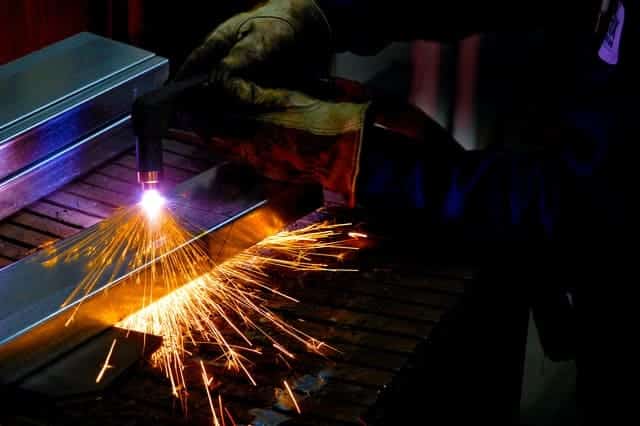
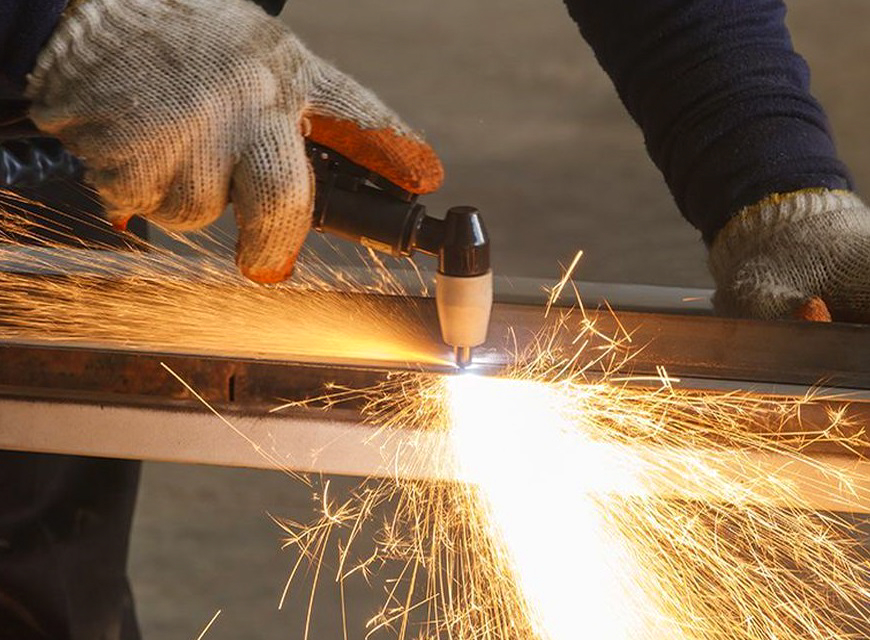
Ever watched a plasma cutter effortlessly slice through thick metal like a hot knife through butter? It’s a truly captivating sight, and there's a good reason why it looks so powerful: the incredible heat involved! Understanding the temperature of a plasma cutter isn't just for engineers; it's a fascinating peek into the magic behind one of the most versatile tools in modern fabrication. It’s fun because it taps into that primal awe of extreme forces, useful for appreciating why safety is paramount, and popular because these machines are empowering DIYers and artists to create amazing things with metal.
For beginners and hobbyists, grasping the concept of plasma temperature demystifies the tool. It helps you understand why the machine needs compressed air, why you need proper consumables, and why your cut quality depends on speed. It’s not just a noisy spark; it's a carefully controlled superheated jet. For those thinking about metal art or home repairs, knowing about this intense heat encourages a healthy respect for the tool, leading to safer and more successful projects. While families might not be operating a plasma cutter, understanding the science behind such tools can spark curiosity in young minds about physics and engineering, making complex industrial processes seem a bit more approachable and exciting.
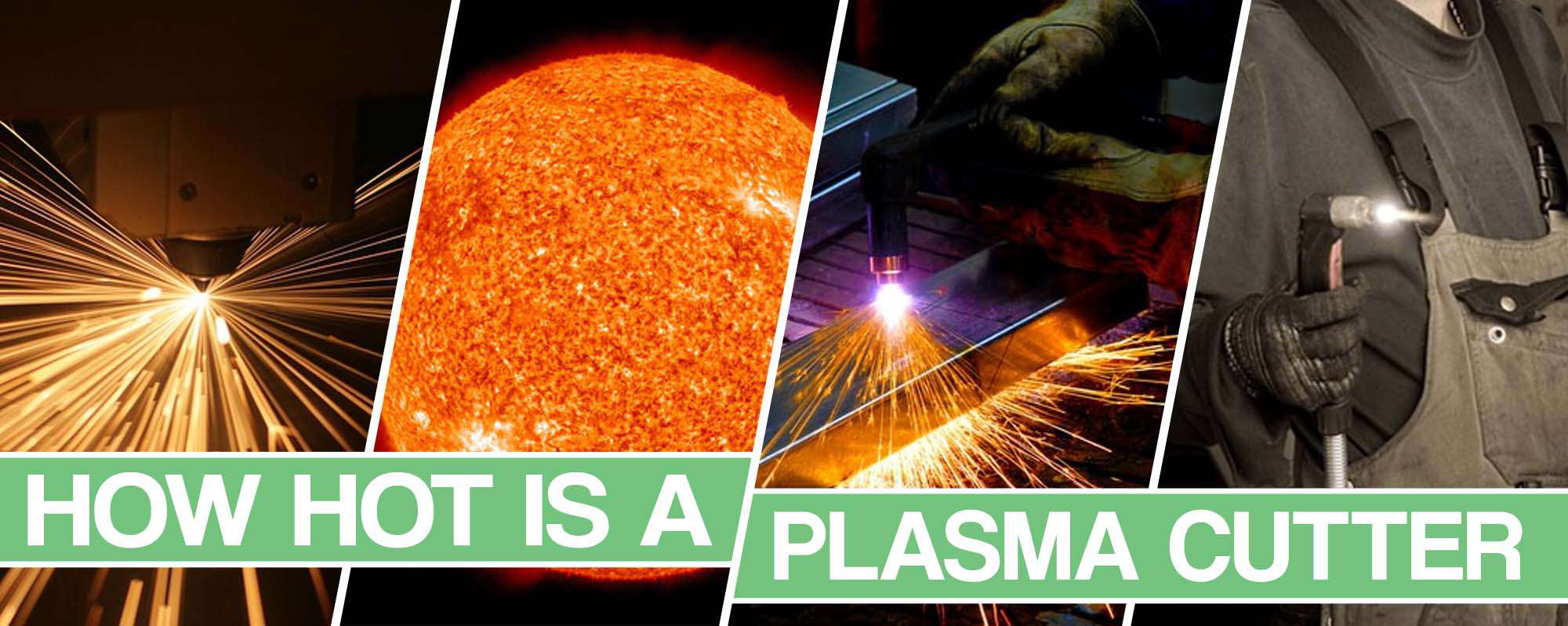
So, just how hot does it get? We're talking about temperatures that are truly mind-boggling – often reaching up to 25,000 degrees Celsius (that’s over 45,000 degrees Fahrenheit!). To put that in perspective, the surface of the sun is about 5,500°C! This extreme heat is generated by an electrical arc passing through a gas (usually compressed air), which ionizes the gas, turning it into plasma. This superheated, electrically conductive plasma is then forced through a small nozzle, creating a concentrated jet capable of instantly melting and vaporizing metal. Different machines and power settings will affect the precise temperature profile and cutting capability, but the core principle of extreme heat remains constant across all plasma cutters, whether they use air, nitrogen, or argon-hydrogen mixtures for specific industrial applications.
Must Read
Ready to harness this fiery power? Here are some simple, practical tips to get started. First and foremost: safety is non-negotiable. Always wear a proper welding helmet (shade 9-13 recommended), thick leather gloves, and flame-retardant clothing. The intense heat and UV light are serious. Second, read your machine's manual – it’s your best guide to specific settings for different metal types and thicknesses. Third, start with scrap metal. Practice maintaining a consistent torch height and travel speed. Too slow and you'll get a wide, messy cut; too fast and you won't cut through. Finally, ensure you have good ventilation. Superheated metal produces fumes that you don't want to breathe in.
Exploring the temperature of a plasma cutter isn't just about numbers; it's about appreciating the incredible science and engineering packed into a tool that brings metal to life. From creating intricate metal art to making practical repairs, the enjoyment comes from safely and effectively wielding this controlled lightning bolt. It truly is a remarkable blend of technology and raw power!