Temper Steel By Heating & Then Cooling Slowly
Ever wondered how a blacksmith transforms a seemingly ordinary piece of metal into a beautifully curved sword or a delicate, resilient tool? The secret often lies in a process called tempering, a delicate dance of heat and slow cooling that can dramatically alter the properties of steel. While it might sound like something reserved for seasoned professionals, tempering can be surprisingly accessible and rewarding for artists, hobbyists, and anyone curious about the magic of material science.
So, why should you, as a non-blacksmith, care about tempering? Well, the possibilities are surprisingly vast! For artists, tempering opens doors to creating sturdier and more durable sculptures. Imagine crafting intricate metal flowers that can withstand the elements or designing jewelry that won't easily bend or break. Hobbyists can use tempering to improve the lifespan and functionality of their homemade tools, from garden trowels to custom knives. And for the simply curious, learning about tempering offers a fascinating glimpse into the science behind everyday objects, revealing how heat treatment can transform the very structure of a material.
Think of it like this: tempering allows you to fine-tune the 'personality' of your steel. You could be creating decorative wrought iron pieces with intricate scrolls that demand both strength and flexibility. Perhaps you're crafting rustic, hammered-steel candle holders, needing the steel to retain its shape even when exposed to heat. Or maybe you're even venturing into the world of custom-made gardening tools, requiring a strong, resilient edge that can withstand constant use. The versatility of tempered steel means you're only limited by your imagination.
Must Read
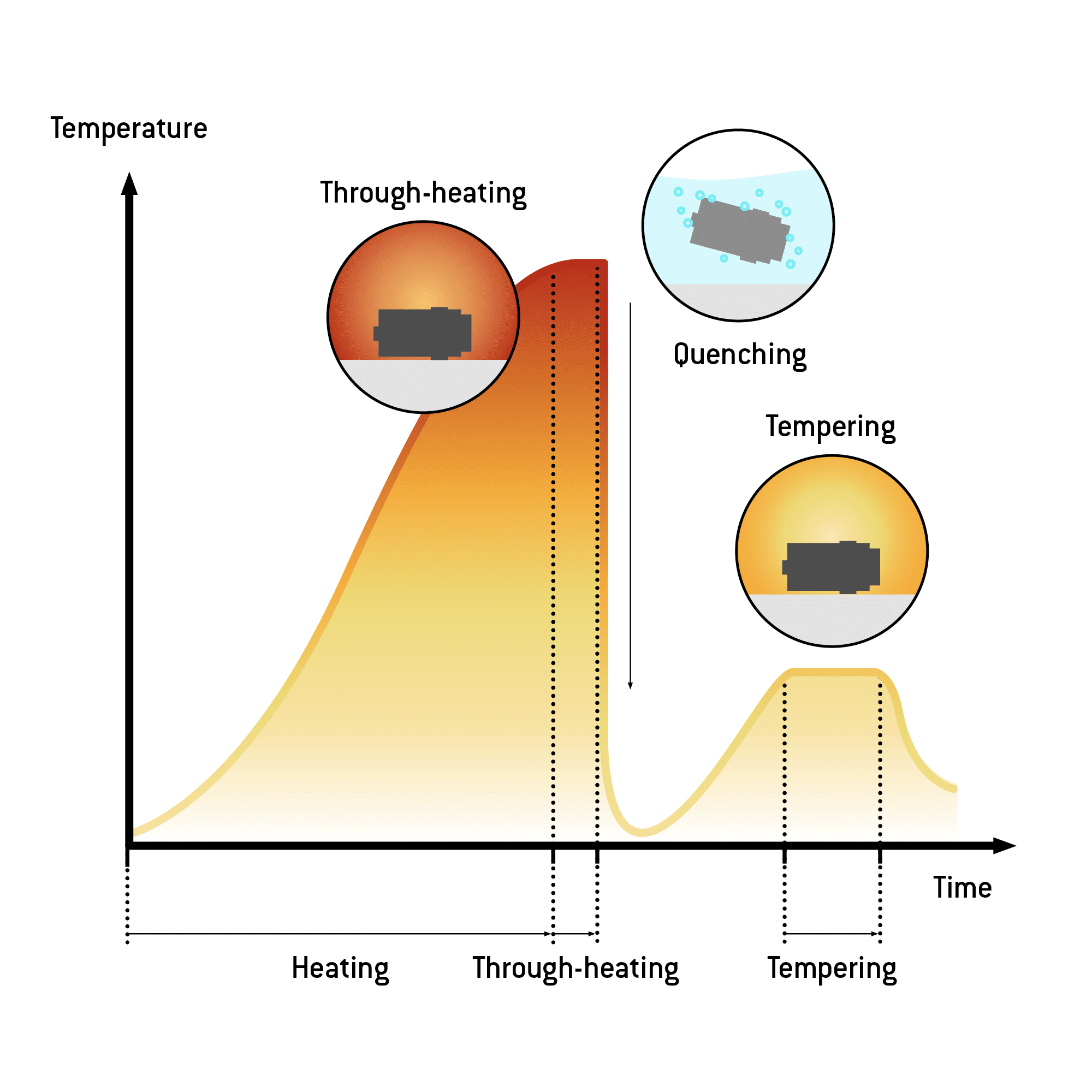
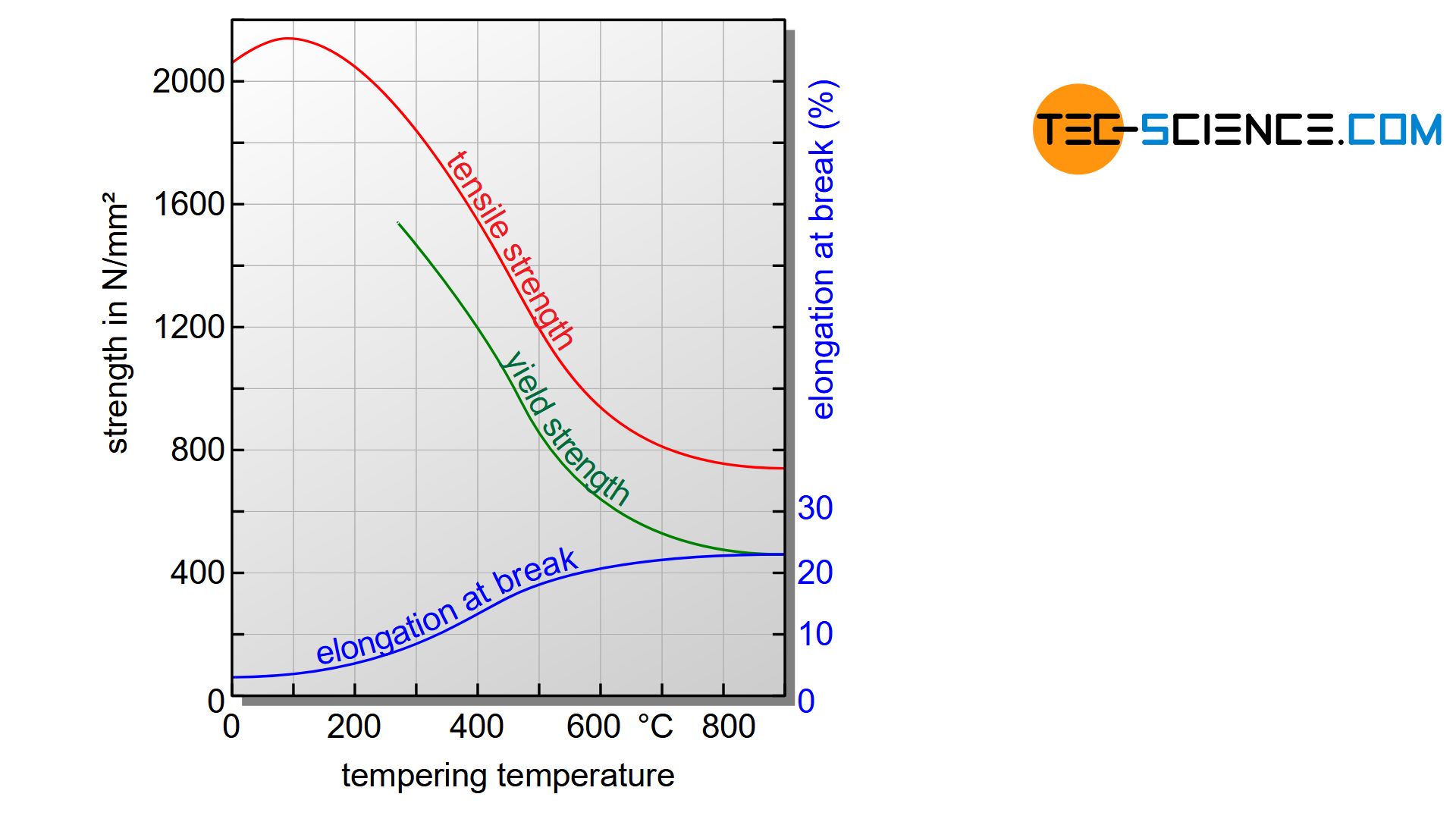
Now, while professional tempering involves specialized equipment, there are ways to experiment with the basics at home. A simple method involves using a kitchen oven! Yes, you read that right. After hardening your steel (which requires significantly higher temperatures), you can temper it by placing it in a preheated oven at a specific temperature, typically between 300°F and 800°F, depending on the desired hardness. Careful monitoring is key. Use an oven thermometer to ensure accuracy and follow specific tempering charts or instructions for the type of steel you're working with. Let the steel 'soak' at the target temperature for a set amount of time, usually an hour or two, then allow it to cool slowly inside the oven. Remember safety first! Always wear appropriate safety gear, including heat-resistant gloves, and work in a well-ventilated area.
The joy of tempering comes from the feeling of control you gain over the material. It's about understanding how heat affects the internal structure of steel and using that knowledge to create objects that are not only beautiful but also functional and long-lasting. It's a process of experimentation and discovery, where each attempt brings you closer to mastering the art of transforming raw metal into something truly remarkable. So, grab a piece of steel, fire up your oven (safely, of course!), and experience the rewarding process of tempering for yourself. You might just be surprised at what you can create!