
Tax Credits For Furnaces And Air Conditioners

Hey there, friend! Let's talk about something exciting... well, as exciting as taxes can be, anyway. We're diving into tax credits for new furnaces and air conditioners. Yeah, I know, sounds thrilling, right? But stick with me – this could save you some serious cash!
So, you're thinking of upgrading your old, clanky furnace or that AC unit that sounds like a jet engine taking off? Smart move! Not only will you be more comfortable, but Uncle Sam might actually chip in. Seriously! Why heat the neighborhood when you can heat only your house?!
The government (bless their tax-incentivizing hearts) offers tax credits for certain energy-efficient home improvements. And guess what? Furnaces and air conditioners often qualify! But before you run out and buy the shiniest, most high-tech model, there are a few things you need to know. Don't wanna jump the gun!
Must Read
First Things First: The Rules of the Game
Okay, so here's the deal. Not just any furnace or AC will qualify. It has to meet specific energy efficiency standards. Think of it like trying to get into an exclusive club – your appliance needs the right credentials (i.e., efficiency ratings).
We're talking about things like SEER (Seasonal Energy Efficiency Ratio) for ACs and AFUE (Annual Fuel Utilization Efficiency) for furnaces. Sounds like alphabet soup, doesn't it? Don't worry, your HVAC installer will know what these mean. Just ask them if the unit qualifies for any tax credits. They should be in the know!
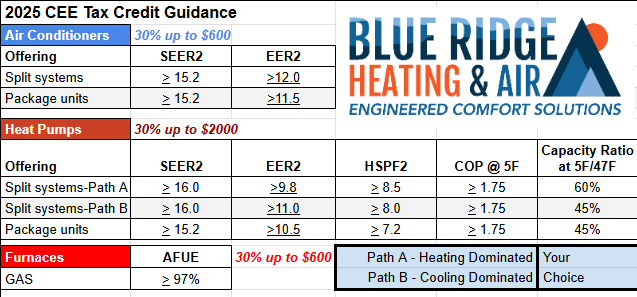
And this isn't a free-for-all, folks. There are limits! The amount of the credit, the specific requirements, and even which appliances qualify can change from year to year. So, always, always double-check the latest info from the IRS or a qualified tax professional. Do not rely on what your crazy Uncle Jerry told you at Thanksgiving. Seriously.
Finding the Right Furnace or AC
Alright, so how do you find these magical, tax-credit-eligible appliances? Well, start by talking to a reputable HVAC company. They can assess your home's needs, recommend suitable models, and, most importantly, tell you which ones qualify for the credits. Consider a few different companies!

Look for the Energy Star label. This is like the gold star of energy efficiency. Appliances with this label generally meet the standards for tax credits (but, again, double-check!).
Don't just focus on the price tag. A cheaper unit might cost you more in the long run if it's not energy-efficient. Think of it like buying that super cheap coffee maker – it breaks after a month, and you're back at square one. Invest in quality, my friend!
Claiming Your Credit: The Paperwork Tango
Okay, you've got your fancy new furnace or AC. Now comes the not-so-fun part: claiming the tax credit. But hey, free money (sort of) is worth a little paperwork, right?

You'll need to fill out the appropriate tax form. This is usually Form 5695, Residential Energy Credits. You'll need to provide information about the appliance, its cost, and its efficiency ratings.
Keep all your receipts! This is crucial. The IRS might ask for proof of purchase, so don't go tossing those receipts into the bonfire. Treat them like gold (because, in a way, they are!).
![Federal Tax Credits for Air Conditioners & Heat Pumps [2023]](https://kobiecomplete.com/wp-content/uploads/2023/01/federal-tax-credits-2023-graphic-white.png)
And remember, I'm just a friendly voice on the internet, not a tax expert. When in doubt, consult a qualified tax professional. They can help you navigate the complexities of tax law and ensure you get all the credits you deserve.
So, there you have it! Tax credits for furnaces and air conditioners – not as scary as they sound, right? With a little research and planning, you can upgrade your home's comfort and save some money in the process. Now go forth and conquer those energy bills!
Disclaimer: Tax laws are subject to change. Consult with a qualified tax professional for personalized advice. And remember, I am not responsible if you accidentally buy a furnace that speaks Klingon.