
Tankless Water Heater Versus Conventional Water Heater
Let's talk water heaters! It might not sound like the most thrilling subject, but trust me, understanding the difference between tankless and conventional water heaters can save you money, space, and a whole lot of cold-shower disappointment. Plus, who doesn't love a little home improvement knowledge? It's the kind of thing that makes you feel like a responsible adult, even if you're just binge-watching your favorite show afterwards.
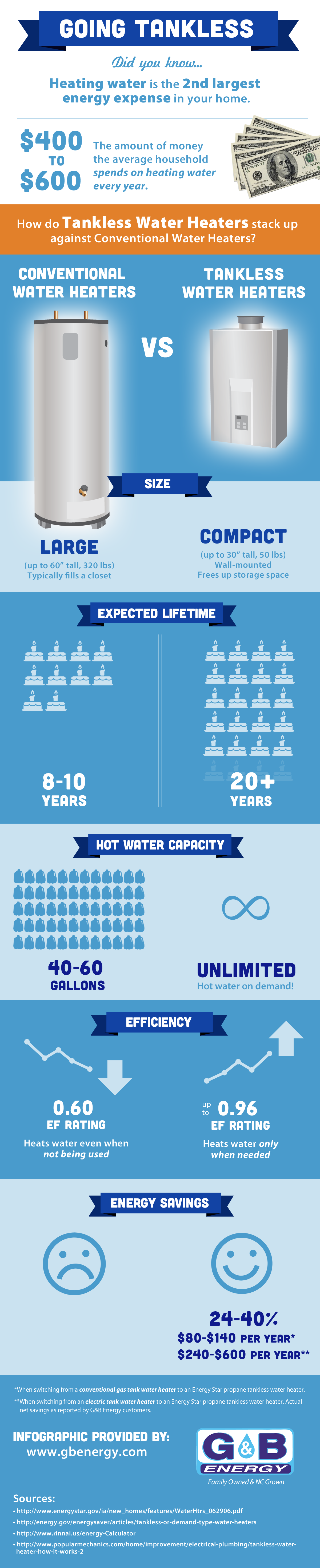
So, what's the big deal? Well, at their core, both types do the same job: heat your water. But they do it in very different ways. A conventional water heater is the big, cylindrical tank you probably already have lurking in your basement or closet. It constantly heats a reservoir of water, keeping it ready for when you need it. This is great for families who use a lot of hot water throughout the day, allowing multiple showers to run at the same time, or a dishwasher running while someone is doing laundry. However, the downside is that it's constantly using energy to keep that water hot, even when you're not using it. This "standby heat loss" can really impact your energy bill.
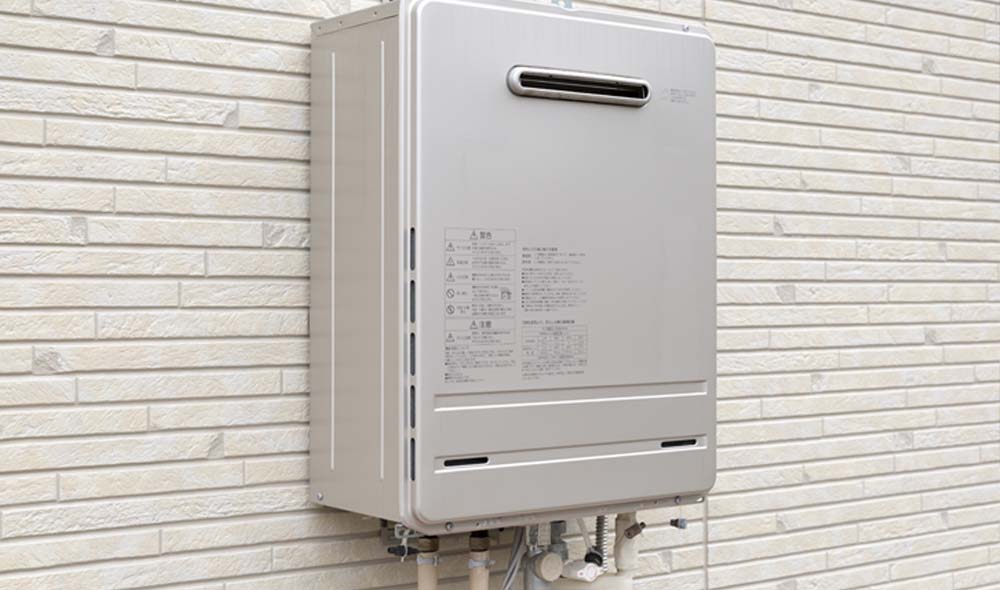
On the other hand, a tankless water heater, also known as an on-demand water heater, only heats water when you need it. It's smaller and mounts on the wall, making it a fantastic choice for smaller homes or apartments where space is at a premium. Think of it like this: the conventional heater is like constantly idling your car, while the tankless heater only starts when you press the gas pedal. For beginners diving into home upgrades, the tankless option shines because it delivers endless hot water! No more fighting over who gets the hot shower first! But it's not perfect; tankless heaters can sometimes struggle to supply enough hot water for multiple simultaneous uses, especially if you live in a colder climate.
Must Read
There are even variations within each type. Conventional heaters come in electric, gas, and even solar-powered options. Tankless heaters also come in electric and gas models, with some higher-end models offering features like remote control and temperature monitoring.
Practical Tips for Getting Started: Before you make any decisions, assess your hot water needs. How many people live in your house? How often do you run multiple appliances at the same time? Consider your budget, both for the initial purchase and for ongoing energy costs. Talk to a qualified plumber to get their professional opinion on which type is best suited for your home and lifestyle. Get a few quotes from different plumbers to compare pricing.
Choosing the right water heater might seem daunting, but it's an investment that can pay off in the long run. Whether you prioritize space savings, energy efficiency, or endless hot showers, understanding the differences between tankless and conventional water heaters empowers you to make an informed decision. And knowing you've made a smart choice? That's a warm feeling indeed, even if the water's already hot!


