
Tankless Water Heater Advantages And Disadvantages
Alright, gather 'round, friends! Let's talk about tankless water heaters. You know, those sleek, modern-looking things that promise endless hot showers and whispered promises of lower energy bills? But are they all sunshine and warm bubbles, or are there some icy cold realities lurking beneath the surface? Let's dive in, shall we?
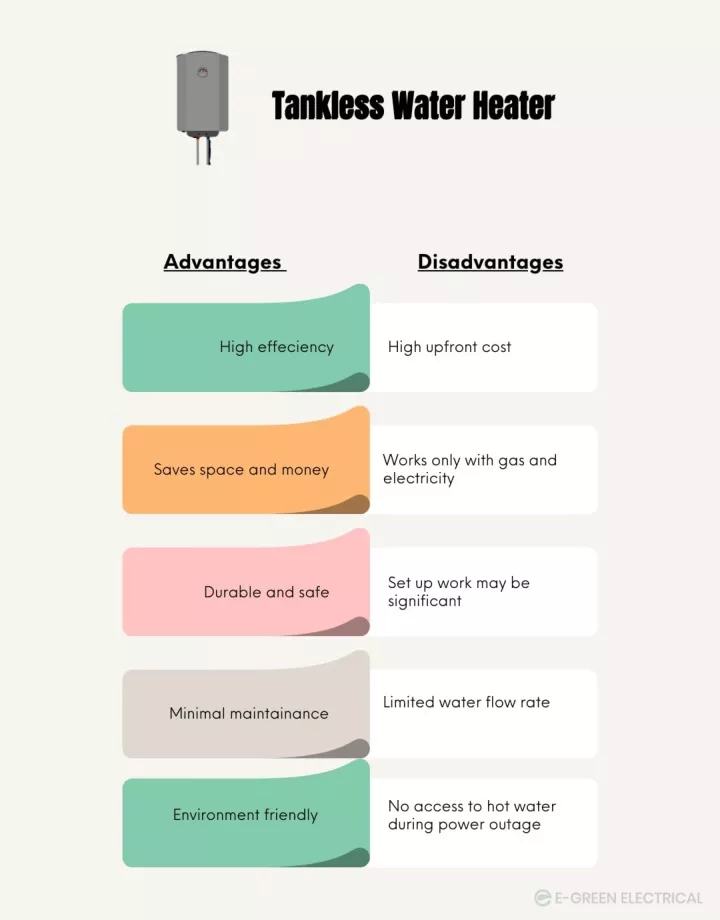
Advantage Numero Uno: The Endless Hot Water Mirage. Okay, so maybe it's not technically endless. I mean, if you're planning on filling the Grand Canyon with lukewarm bathwater, even a tankless system might tap out. But for normal human needs – showering, washing dishes, maybe a simultaneous impromptu tap-dancing session in the kitchen – you're golden! No more bracing yourself for the dreaded cold blast halfway through shampooing because someone decided to flush the toilet. (Seriously, who flushes during a shower? Rude.)
Think of it this way: With a traditional tank, you're essentially driving around with a huge container of pre-heated water, waiting for you to use it. A tankless is like having a hot water on-demand factory. You only heat the water when you need it. It’s like the difference between constantly grilling burgers "just in case" and firing up the grill only when your hangry friends show up unexpectedly. Makes sense, right?
Must Read
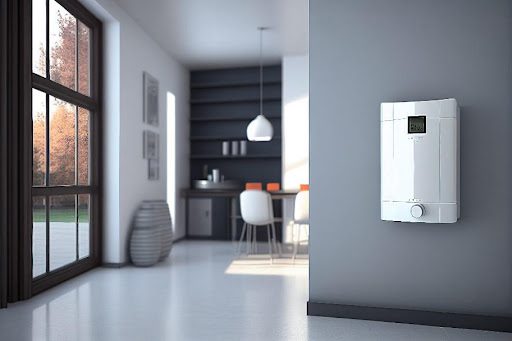
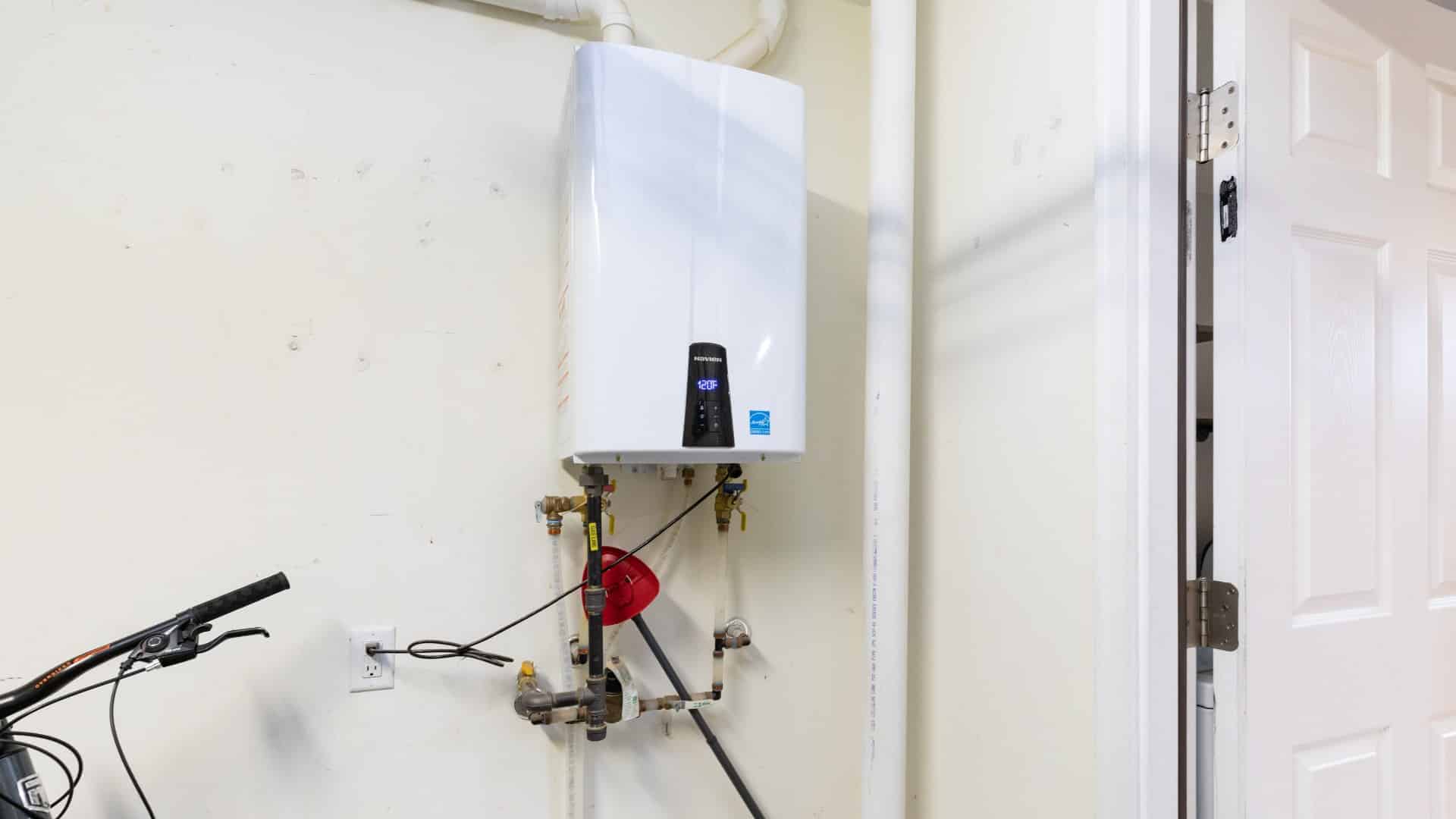
Advantage Two: Space-Saving Superhero. Those bulky traditional water heaters hog space like a grumpy dragon guarding its hoard of lukewarm water. Tankless units, on the other hand, are compact and can be mounted on a wall, freeing up valuable real estate in your basement or closet. You could finally build that secret lair you've always dreamed of! Or, you know, just store your holiday decorations. But a secret lair sounds cooler.
Advantage Three: The Energy Efficiency Elixir. This is the big one. Tankless heaters are often touted for their energy efficiency. Why? Because they don't constantly heat a large tank of water, only to have it slowly lose heat to the surrounding environment. It’s like constantly paying for a gym membership you never use! With a tankless, you're only paying for the hot water you actually use. This can translate to lower energy bills, especially if you're the type who only showers when absolutely necessary (don't be!).
Advantage Four: Longevity Legend. Tankless water heaters generally have a longer lifespan than their tank-based brethren. We're talking potentially 20 years or more! That's like owning a car that never breaks down... or a houseplant that actually thrives under your care. Just remember to flush it (the water heater, not the houseplant) periodically to remove mineral buildup.
Okay, Okay, Enough Sunshine! What Are the Downsides?
Alright, hold your horses. It's not all rainbows and perfectly heated showers. There are some potential drawbacks to consider before you jump on the tankless bandwagon.
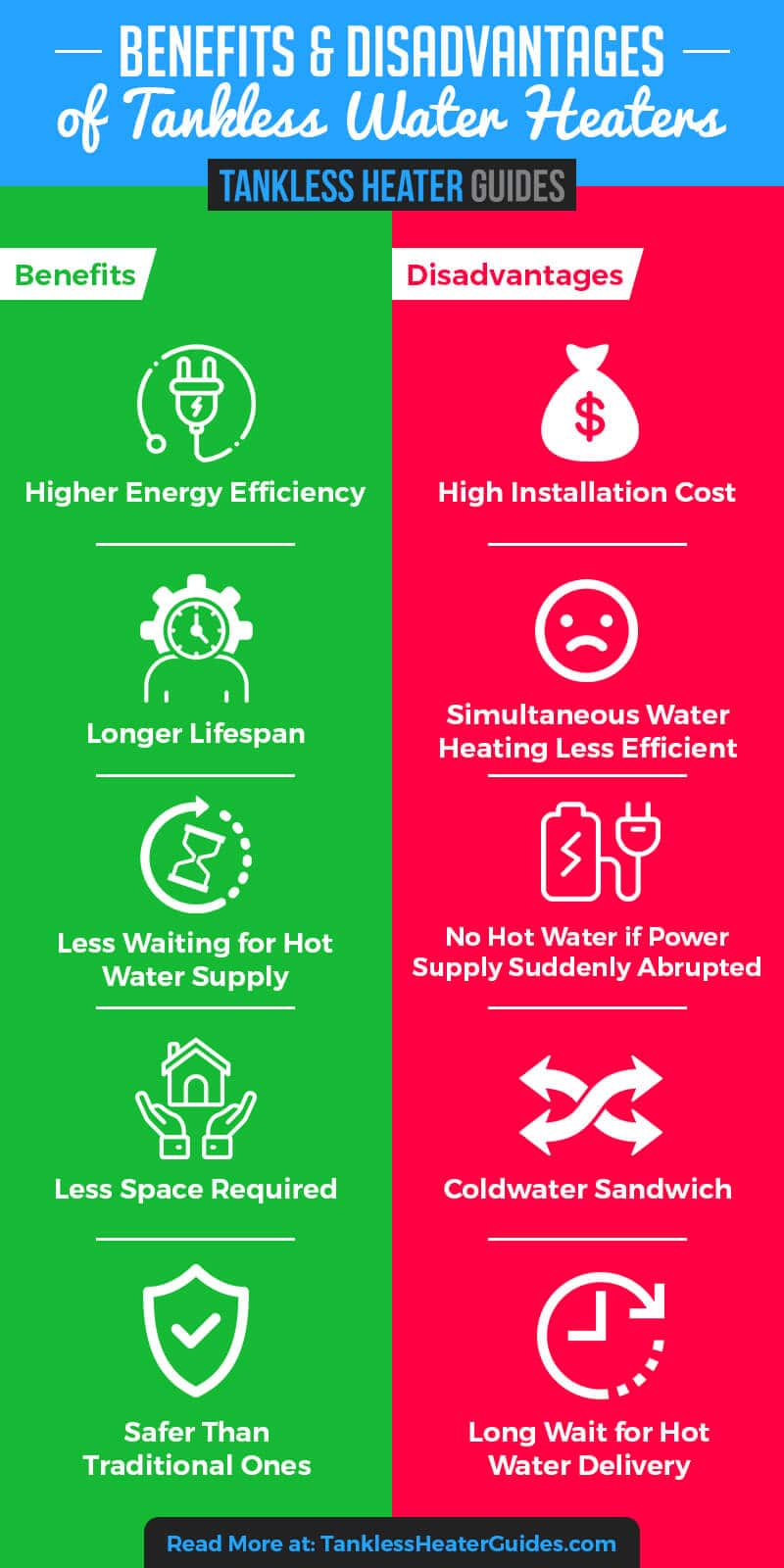
Disadvantage One: The Initial Investment Inferno. Tankless water heaters typically have a higher upfront cost than traditional tank heaters. This can be a tough pill to swallow, especially if you're already dealing with a leaky faucet and a mountain of student loan debt. However, remember the long-term energy savings. Think of it as investing in a slightly less grumpy future.
Disadvantage Two: The Installation Intrigue. Installation can be a bit more complex than simply swapping out your old tank. You might need to upgrade your gas line or electrical panel to handle the higher power demands of a tankless unit. This means more money and potentially more headaches. It’s like trying to assemble IKEA furniture without the instructions. Good luck with that.
Disadvantage Three: The Cold Water Sandwich. Some users report experiencing a brief burst of cold water – the dreaded "cold water sandwich" – before the hot water kicks in. It's not the end of the world, but it can be a bit jarring, especially on a cold morning. Think of it as a quick, refreshing reminder that you're alive and capable of experiencing temperature fluctuations. Silver linings, people!
Disadvantage Four: The Simultaneous Use Saga. While tankless heaters can provide a seemingly endless supply of hot water, they can sometimes struggle to keep up if you're running multiple hot water appliances at the same time. For example, if you're showering, running the dishwasher, and doing laundry all at once, you might notice a dip in water temperature or pressure. It's like trying to juggle flaming torches while riding a unicycle. Doable, but potentially disastrous.
Disadvantage Five: The Power Outage Panic. Most tankless water heaters require electricity to operate. So, if the power goes out, you're out of luck. No hot showers for you! This is especially important to consider if you live in an area prone to power outages. Invest in a good book and some dry shampoo, just in case.
The Verdict?
Tankless water heaters are a solid option for many households, offering energy savings, space efficiency, and the promise of never-ending hot water. However, they also come with a higher upfront cost, potential installation challenges, and the possibility of a cold water sandwich or two. So, do your research, weigh the pros and cons, and talk to a qualified plumber before making a decision. And remember, no matter what you choose, always double-check the water temperature before stepping into the shower. Scalding water is no laughing matter (unless you're into that sort of thing... then, by all means, go wild!).
Ultimately, choosing between a tankless and a traditional water heater is a personal decision. Just like deciding between pineapple on pizza and...well, not having pineapple on pizza. Some people love it, some people hate it. Just pick what works for you and your lifestyle. And for goodness sake, don’t flush the toilet during someone’s shower!