Tankless Vs Tank Water Heater Pros And Cons
Let's dive into the fascinating world of water heaters! Okay, maybe "fascinating" is a strong word, but hear me out. We all use hot water every single day, so understanding how we get it can actually save us money and headaches. Choosing between a tankless and a traditional tank water heater is a big decision for homeowners, and it's one worth exploring. Whether you're a first-time homebuyer, a growing family, or just someone who enjoys long, hot showers, knowing the pros and cons of each type will empower you to make the best choice for your needs.
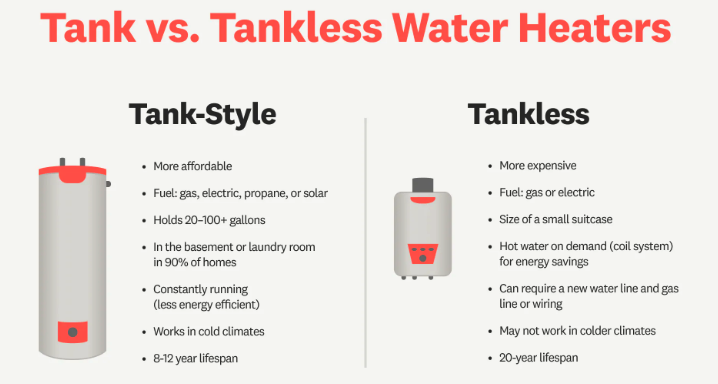
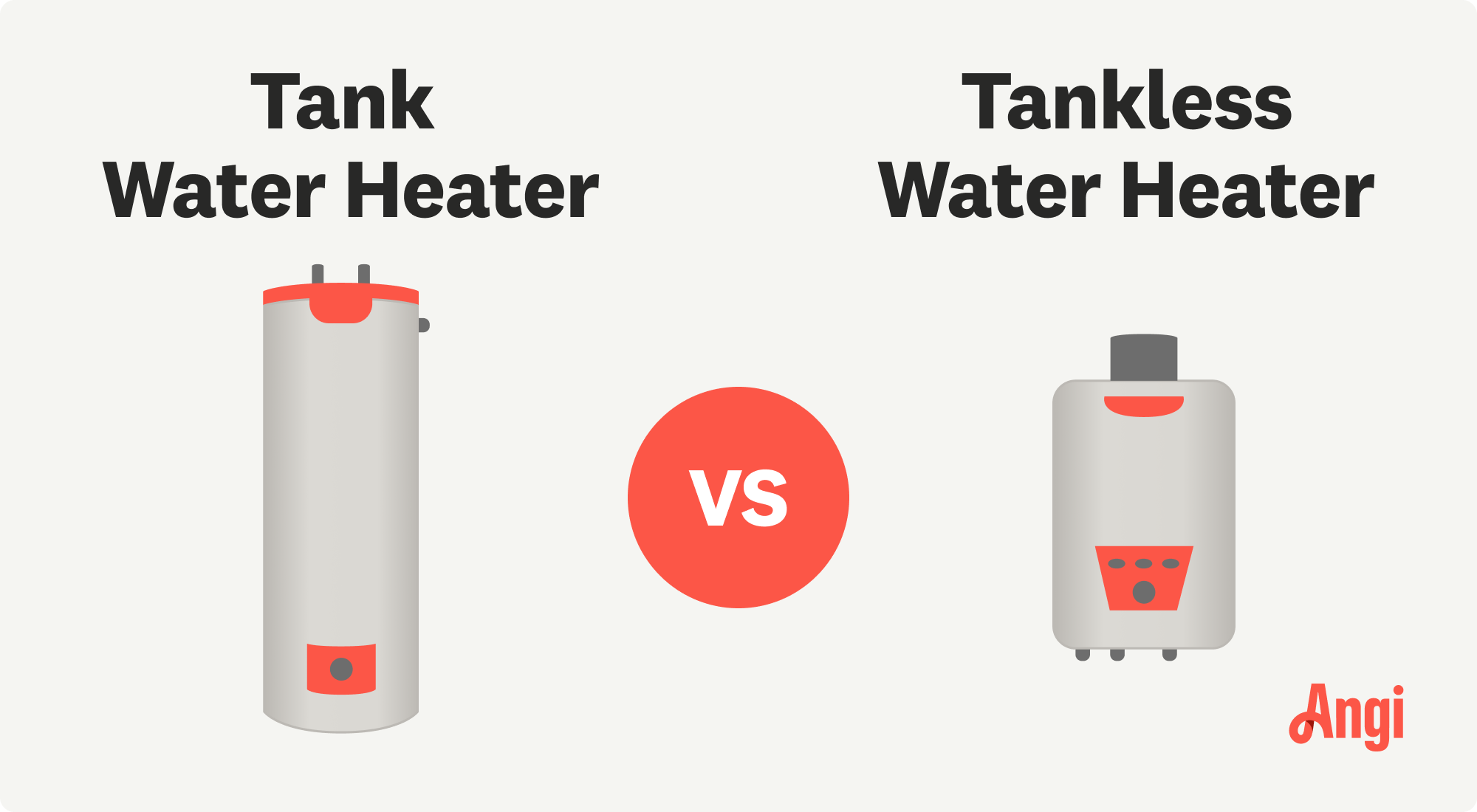
So, what's the big deal? Well, a tank water heater is the classic model. It heats up a large volume of water (usually 40-80 gallons) and keeps it hot, ready for you to use. The tankless water heater, on the other hand, heats water on demand. No tank, no stored hot water, just instant hot water whenever you turn on the tap.
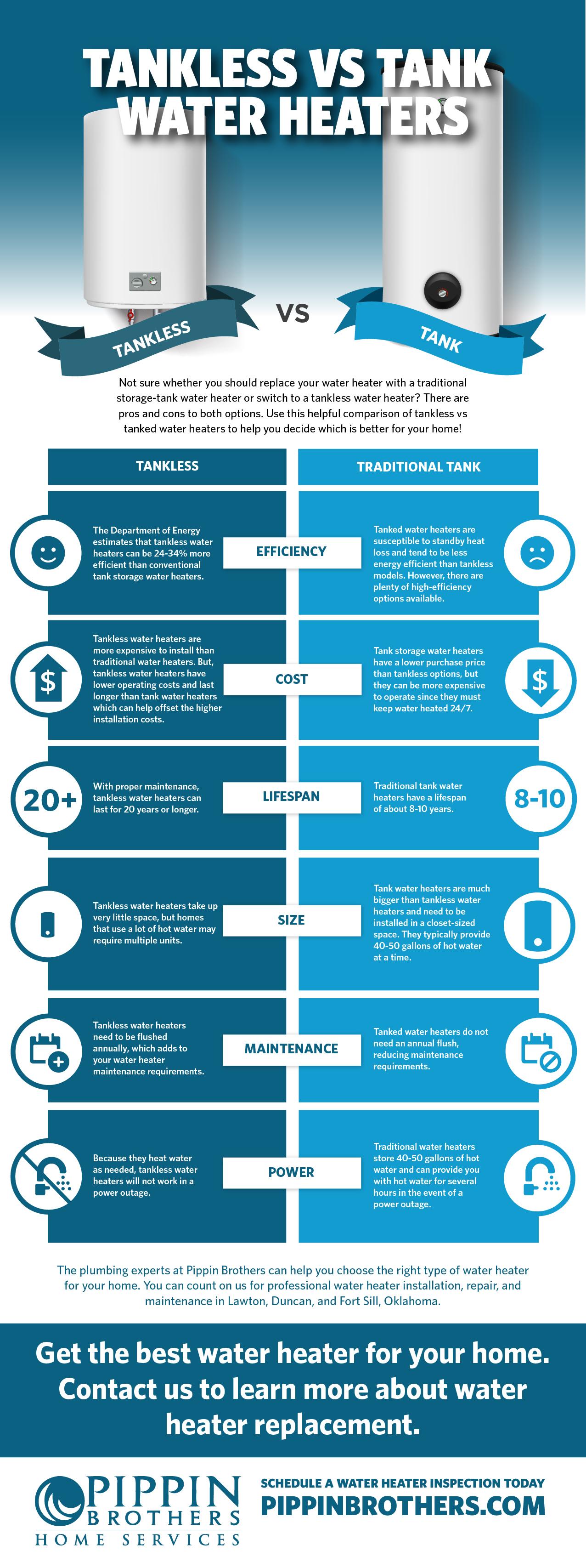
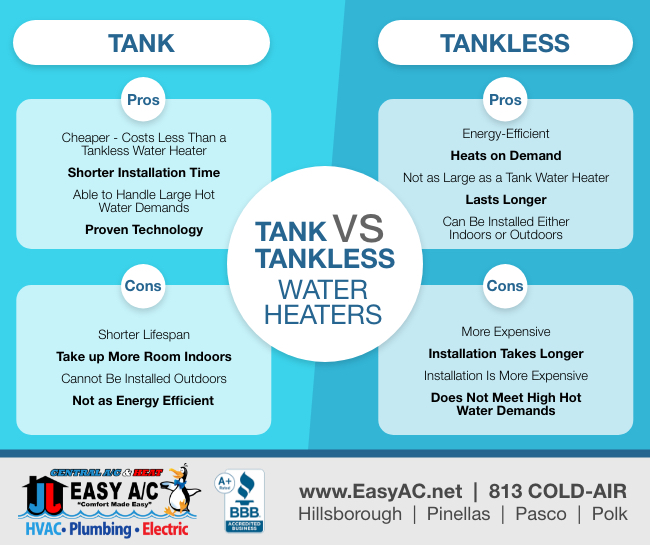
Let's break down the advantages and disadvantages for different folks. For beginners, the traditional tank heater is generally cheaper to buy and install. It's also more familiar to plumbers, so repairs might be easier and more affordable. However, the tank constantly reheats water to maintain the temperature, which can lead to higher energy bills. Think of it like keeping a pot of water simmering on the stove all day, even when you're not using it.
Must Read
For families, especially those with teenagers who love long showers, a tankless heater might be more appealing. You'll never run out of hot water! Imagine endless showers without anyone complaining. However, tankless systems can be expensive to install, and you might need to upgrade your gas line or electrical panel to handle the higher power demand. Plus, some older homes might not be suitable for tankless installation.
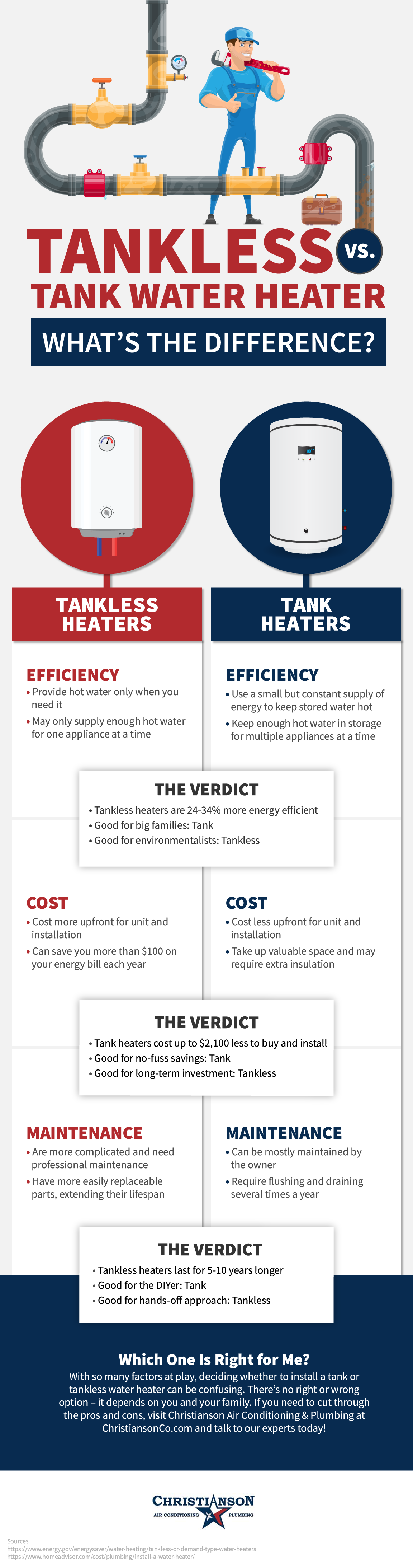
Hobbyists and DIY enthusiasts might be drawn to the potential long-term energy savings of a tankless system. They also take up less space, which is a bonus if you're tight on storage. But be warned: installing a tankless heater is not a simple DIY project. It requires specialized knowledge and tools, and improper installation can be dangerous. Leave this one to the professionals!
Let's look at some variations. Tank water heaters come in different sizes and energy efficiency ratings. You can even get hybrid models that combine a small tank with a heat pump for increased efficiency. Tankless heaters are available in gas and electric versions. Gas units typically provide higher flow rates, meaning you can run more hot water appliances simultaneously without a drop in temperature.
Practical tips for getting started: Before making a decision, assess your hot water needs. How many people live in your home? How many showers do you take daily? What appliances use hot water? Then, get quotes from several reputable plumbers for both tank and tankless installations. Ask about energy efficiency ratings, installation costs, and potential long-term savings. Don't be afraid to ask questions! A good plumber will be happy to explain the pros and cons of each system and help you choose the best option for your home and budget.
Choosing a water heater might not be the most exciting topic, but it's an important one. By understanding the differences between tank and tankless systems, you can make an informed decision that will save you money, provide reliable hot water, and maybe even give you bragging rights among your neighbors. So, go forth and conquer the world of water heating!