Tankless Electric Water Heater Vs Tank Water Heater
Ever wonder where that seemingly endless supply of hot water comes from when you're enjoying a relaxing shower? Or maybe you've been hit with a shockingly high electricity bill and started questioning your current water heating setup. Understanding the difference between tankless electric water heaters and traditional tank water heaters is more than just plumbing trivia; it's about saving money, conserving energy, and ultimately, enjoying a more comfortable and efficient home.
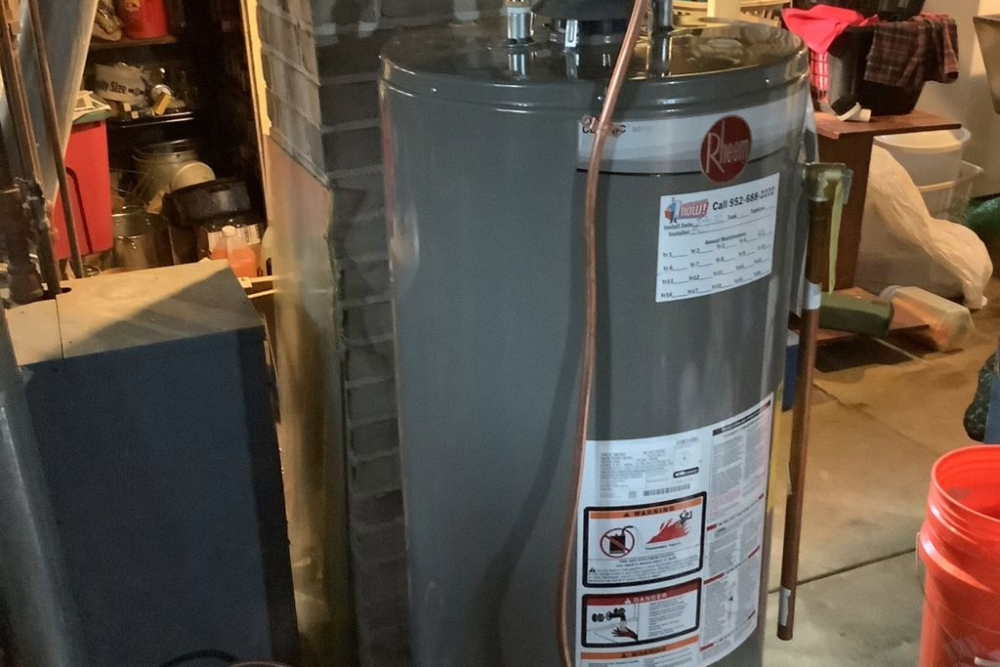
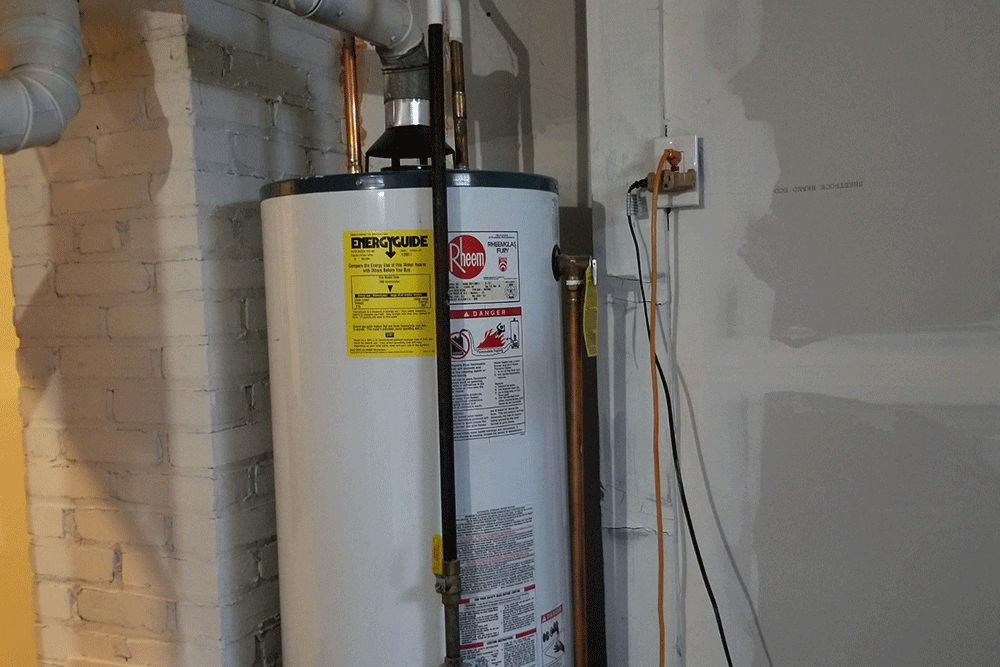
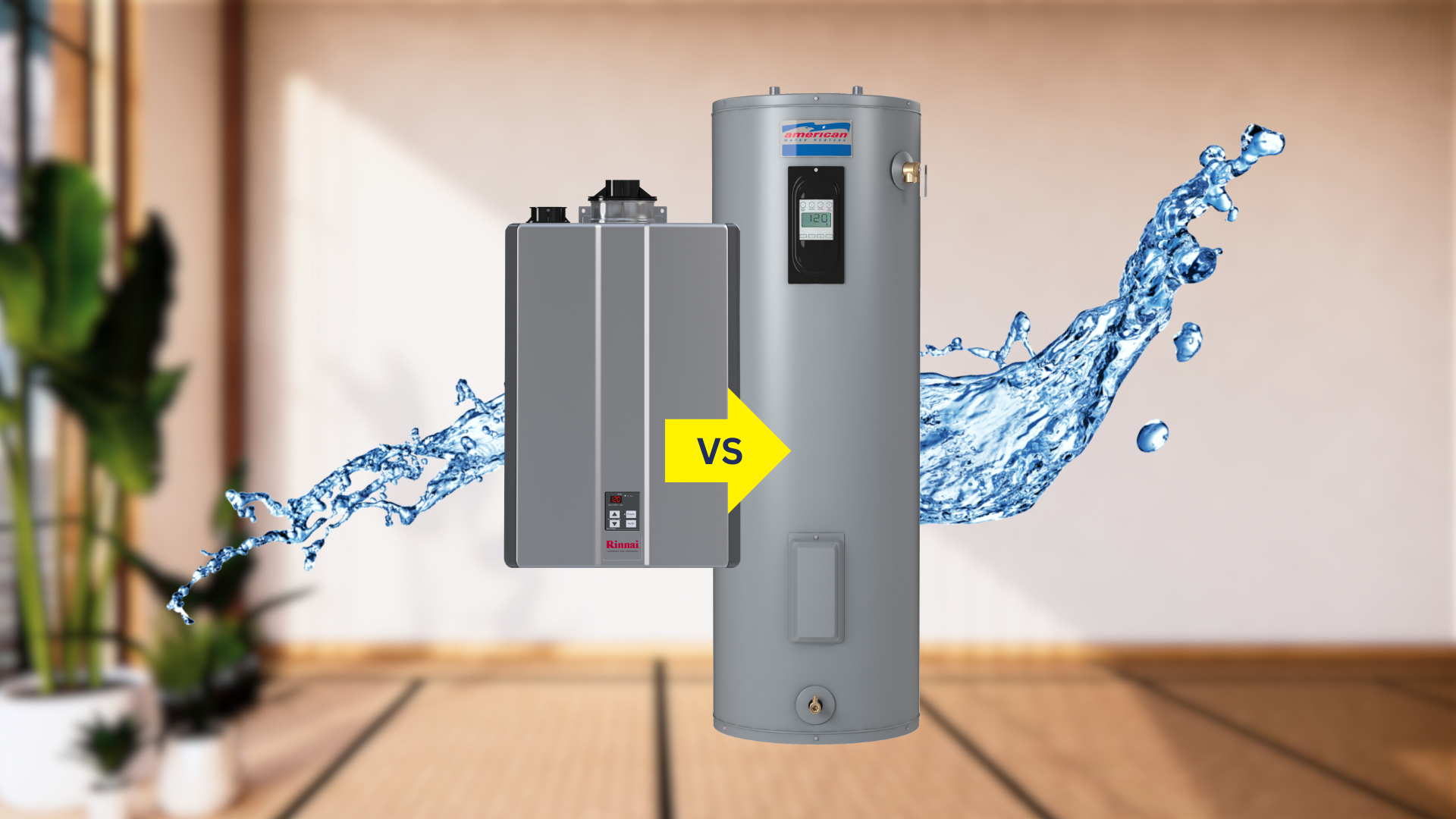
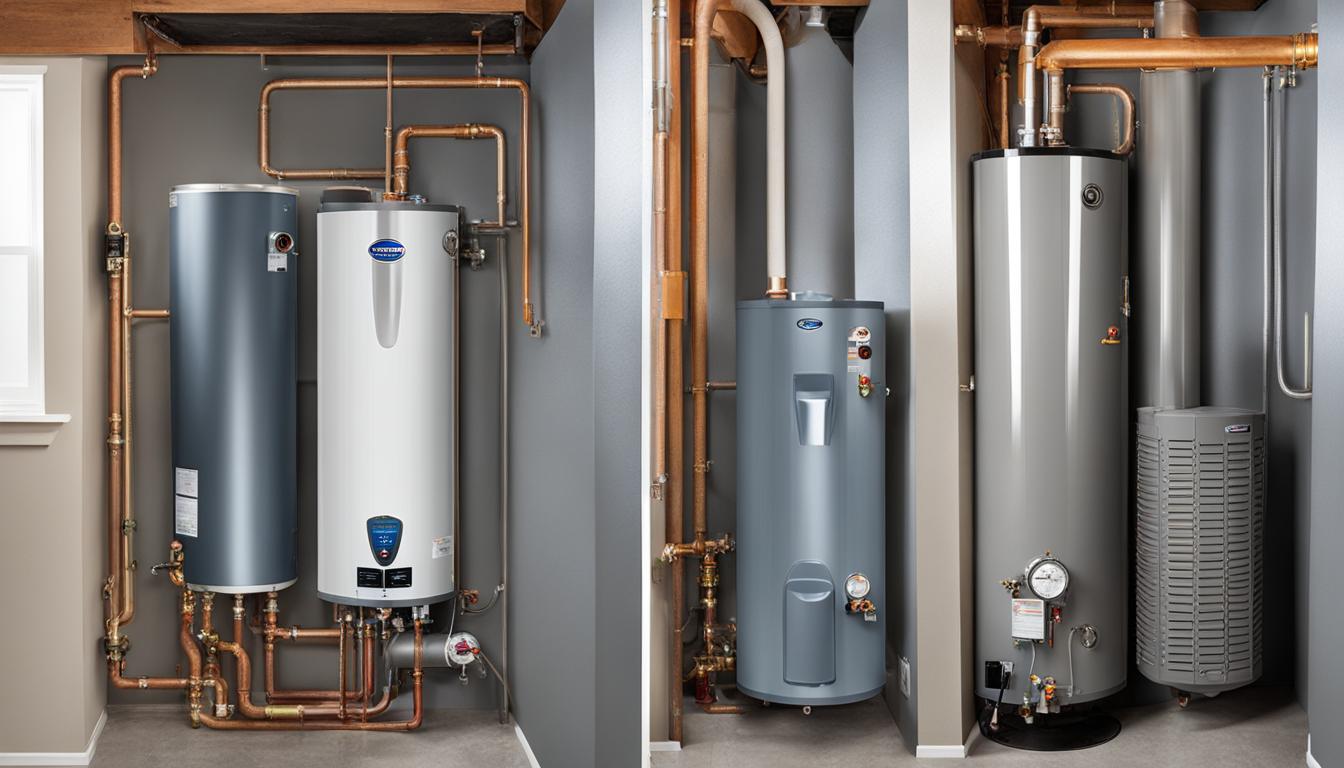
Let's dive in! The basic purpose of any water heater is simple: to heat water for your various needs, from washing dishes to showering. But the way they accomplish this differs significantly. A tank water heater, as the name suggests, uses a large insulated tank (typically 40-80 gallons) to store and constantly heat water. This means you always have a reservoir of hot water ready to go. Think of it like a giant thermos, but one that's actively keeping the liquid inside hot.
On the other hand, a tankless electric water heater (also known as an "on-demand" water heater) heats water only when you need it. No tank, no constant heating. When you turn on the hot water tap, cold water flows through a high-powered heating element, rapidly warming the water as it passes through. The hot water is then delivered to your faucet or shower almost instantaneously. This "on-demand" feature is the key difference.
Must Read
The benefits of each type vary depending on your needs and lifestyle. Tank water heaters are generally less expensive to purchase and install initially. They're also more forgiving if you have multiple people using hot water at the same time. Think of a large family getting ready in the morning; a tank heater can handle the simultaneous demands of showers, sinks, and potentially even the dishwasher.
Tankless water heaters shine when it comes to energy efficiency. Because they only heat water when you need it, they avoid the standby heat loss associated with tank heaters (where heat escapes from the tank even when you're not using hot water). This can lead to significant savings on your energy bill over time. They also offer endless hot water, as long as you don't exceed the heater's capacity. This is a huge plus for households with varying hot water demands. Plus, they take up considerably less space – imagine reclaiming that closet formerly occupied by a bulky tank!
Consider these scenarios: In a small apartment, a tankless water heater could be ideal due to space constraints and lower overall hot water usage. A science class could use a small tankless heater to demonstrate efficient energy use compared to heating a large beaker of water with a hot plate. A family that frequently travels might benefit from the energy savings of a tankless system, especially if their tank heater sits idle for long periods.
Want to learn more? A simple way to explore the concept is to research the energy consumption of different water heater models using online energy calculators. Many utility companies offer resources and rebates for upgrading to more energy-efficient water heaters. You can also browse online reviews and forums to see what other homeowners are saying about their experiences with different types of water heaters. Finally, consider talking to a qualified plumber who can assess your specific needs and recommend the best option for your home.