
Symptoms Of Gas Leak In House
Hey there, ever had one of those days where something just feels a little... off? Maybe your favorite coffee mug has a tiny crack, or your car makes a new, mysterious rattle. Usually, these are just minor quirks of daily life. But sometimes, when it comes to your home, a little "off" feeling can be a big signal, especially when it comes to something as important as gas.
We're talking about gas leaks – not exactly a fun topic, we know, but super important! Think of this as your friendly neighborhood guide to becoming a gas leak detective. We'll make it easy, maybe even a little chuckle-worthy, because being informed is the best kind of superpower.
The Ol' Sniff Test: That Rotten Egg Vibe
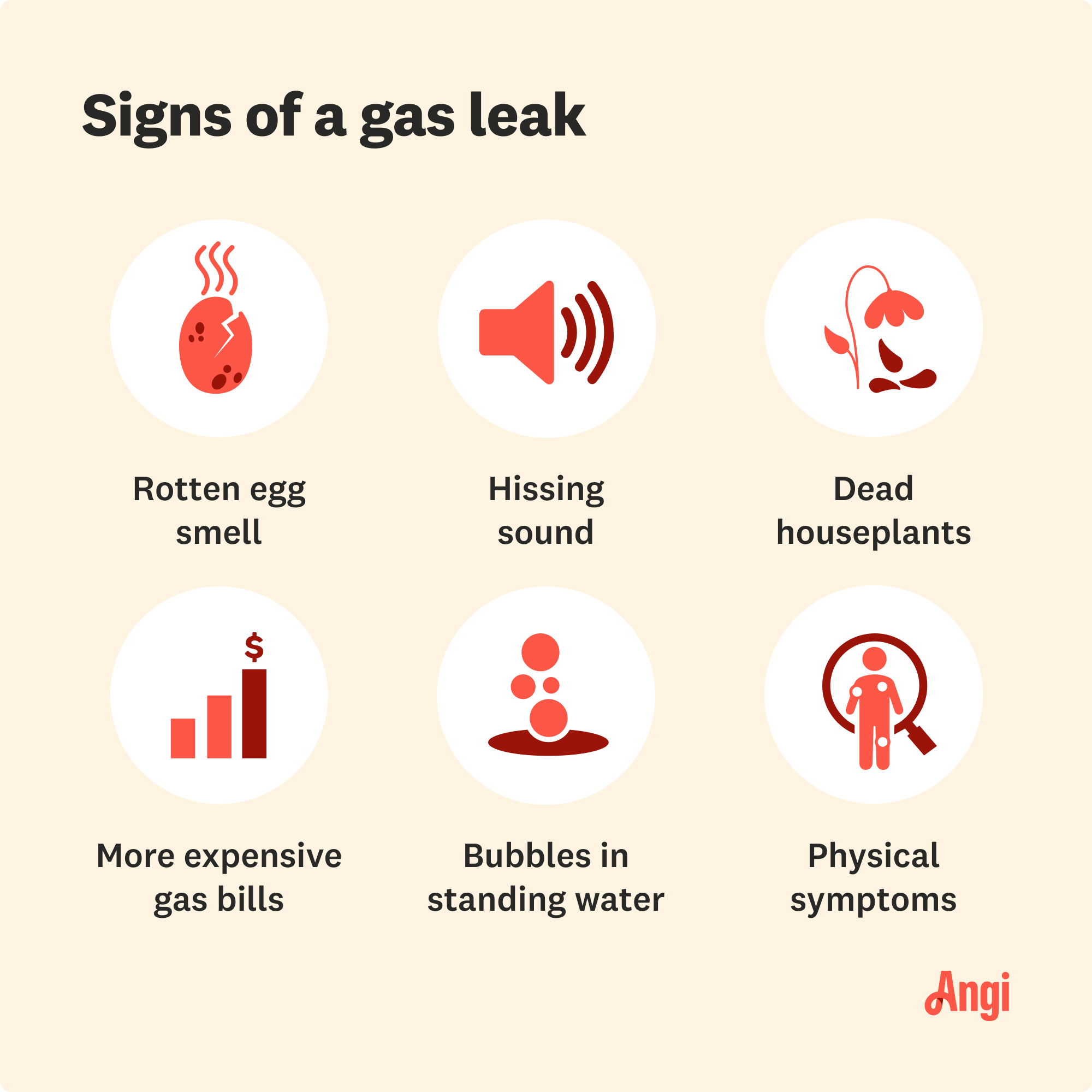
Alright, let's start with the most famous sign, the superstar of gas leak symptoms: the smell. Natural gas itself is actually odorless, which is pretty sneaky, right? That's why gas companies add a special chemical called mercaptan to it. And what does mercaptan smell like, you ask? Picture this: you've accidentally left a carton of eggs in the back of your fridge for a month, maybe two. Then you open it. Yep, we're talking full-on, unmistakable rotten eggs. It's not subtle, it's not a "maybe," it's a "Holy moly, what is that?!" kind of stink.
Must Read
If you catch a whiff of this distinct aroma, especially near an appliance or just lingering in the air, your nose isn't playing tricks on you. This is your primary alarm bell. Don't dismiss it as your neighbor's questionable cooking or a forgotten lunchbox. Trust your nose!
Hear, Hear! The Sound of a Sneaky Escape
Sometimes, gas isn't shy. Instead of a silent escape, it might make a bit of a fuss. Imagine a bicycle tire slowly losing air, or a tiny, irritated snake trying to get out of a tight spot. You might hear a soft hissing or whistling sound coming from a gas line or appliance. This is the gas actively escaping under pressure.

It can be super subtle, so if you're ever in a quiet room and you hear an unexplained psssst sound, like someone's trying to get your attention from behind a wall, it's worth investigating. It’s like your house is trying to whisper a warning. Listen closely!
Visual Clues: What Your Eyes Can Tell You
Alright, time to put on your detective hat and use those eagle eyes! Sometimes, a gas leak leaves visual breadcrumbs. Keep an eye out for a few odd things:
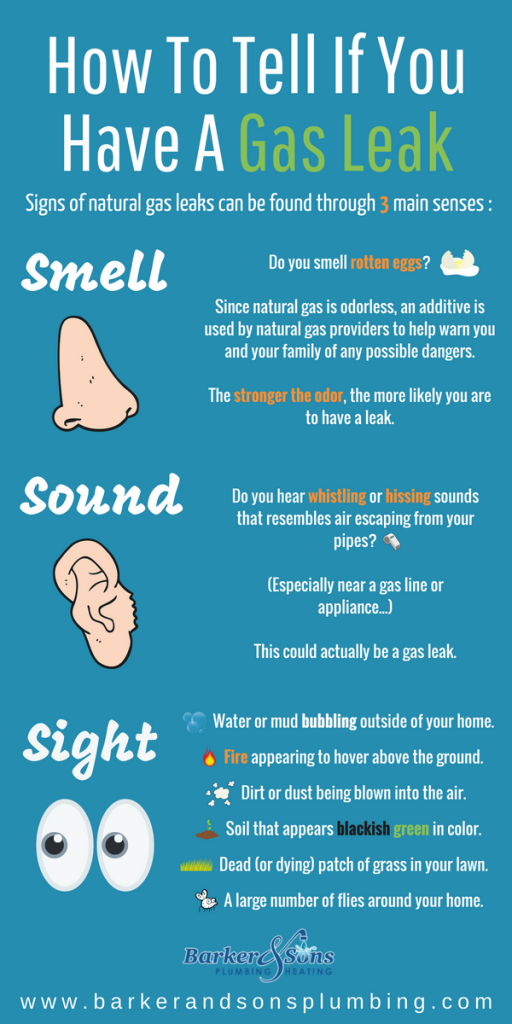
- Flickering or Orange Flames: Your gas stove burners, furnace, or water heater should ideally have a crisp, blue flame. If you notice flames that are orange, yellow, or looking a bit unsteady and flickering like a nervous candle, that's a red flag. It means the gas isn't burning efficiently, and it could be a sign of a problem.
- Dying Plants (indoors or out): Got a houseplant that suddenly decided to give up the ghost, even the one you swear is unkillable? Or perhaps outdoor vegetation near a gas line looks mysteriously wilted or dead? Gas can starve plants of oxygen, making them look sad and unhealthy. It's like your plants are sending out an S.O.S. signal.
- Dust Clouds or Bubbles: If you're outside and there's a gas line running underground, look for unexplained dust blowing from the ground, or even bubbles rising in puddles or wet areas. This is the gas bubbling up through the soil or water. It's like your lawn is trying to brew a tiny, foamy soda.
How You Feel: Your Body's Warning System
This one is crucial because it affects you directly. If you or members of your household start feeling a bit "under the weather" and can't figure out why, it could be your body sounding the alarm. Symptoms can often mimic other common ailments, so it's easy to dismiss them, but be aware if you experience:
- Headaches: A nagging ache that just won't quit.
- Dizziness or Lightheadedness: Feeling a bit wobbly, like you've been on a merry-go-round.
- Nausea or Vomiting: An upset stomach that seems to come out of nowhere.
- Fatigue or Drowsiness: Feeling unusually tired, like you could nap for days, even after a good night's sleep.
- Breathing Difficulties: Shortness of breath or chest pain.
The key here is if these symptoms improve when you go outside and worsen when you come back inside. If your family starts feeling better on a walk around the block, but gets woozy again when they step back through the front door, your home might be trying to tell you something important. It's not just "a case of the Mondays"!

Why Should We Even Care? (In a Fun, Accessible Way!)
Okay, so we've talked about all these clues. But why bother becoming a gas leak guru? Simple: it's about keeping your cozy castle safe and sound! Gas leaks can be dangerous – they can lead to fires, explosions, or carbon monoxide poisoning (a whole other silent danger, but often linked to incomplete gas combustion). Think of it this way:
- You wouldn't ignore a leaky roof, right? Or a funny noise from your car before a long road trip?
- Your home is your sanctuary, and knowing these signs is like having a superhero shield for your family's safety.
- It’s all about being proactive, not reactive. A little awareness goes a long, long way in preventing a big problem.
The Golden Rule: What To Do If You Suspect a Leak
If you ever, for even a second, suspect a gas leak based on any of these signs, here's your non-negotiable action plan. Seriously, bookmark this part!
- Don't Panic, But Act Fast: No matches, no turning lights on or off, no using phones inside. Avoid anything that could create a spark.
- Get Out, Stay Out: Leave the house immediately. Take everyone with you, including pets.
- Call for Help: Once you're a safe distance away (like at a neighbor's house or down the street), call your gas company's emergency line or 911.
- Don't Go Back In: Wait for the professionals to give the all-clear.
See? Knowing these signs isn't about being paranoid; it's about being smart and taking care of the people and place you love. So keep your nose alert, your ears open, your eyes peeled, and always, always trust your gut. Stay safe out there, home detectives!
:max_bytes(150000):strip_icc()/how-to-spot-signs-of-a-gas-leak-2718710_final-5bb51e9cc9e77c00513a80e5.png)