
Sweating When We Work Is An Example Of Cooling By
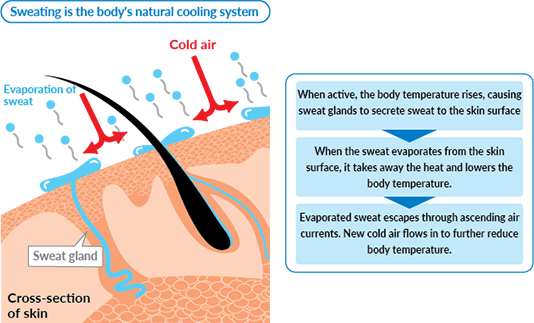
Hey, so we're talking sweat, right? Yeah, that glistening sheen that shows up when you're, say, lugging groceries up three flights of stairs. Or maybe attempting a Zumba class (no judgement, we've all been there!). Ever wonder why we sweat like that?
It's all about keeping our internal engine from overheating. Think of your body like a car engine. A high-performance, finely tuned, sometimes-needs-a-new-muffler engine. What happens when an engine works too hard? It gets hot, right? And that's bad news for all the intricate bits and bobs inside.
Our bodies are the same. When we work – whether it's physical labor, intense exercise, or even just getting stressed about that looming deadline – our metabolism kicks into overdrive. All that cellular activity generates heat. (And sometimes, the occasional existential crisis.)
Must Read
So, what’s a body to do? Activate the built-in cooling system, of course! And that, my friend, is where sweating comes in. It's our body's natural air conditioning. Pretty neat, huh?
Evaporation: The Magic Trick
Now, sweating isn't just about the liquid appearing on your skin. It's about what happens next. Think back to science class (or, you know, a vaguely remembered documentary). We're talking about evaporation!
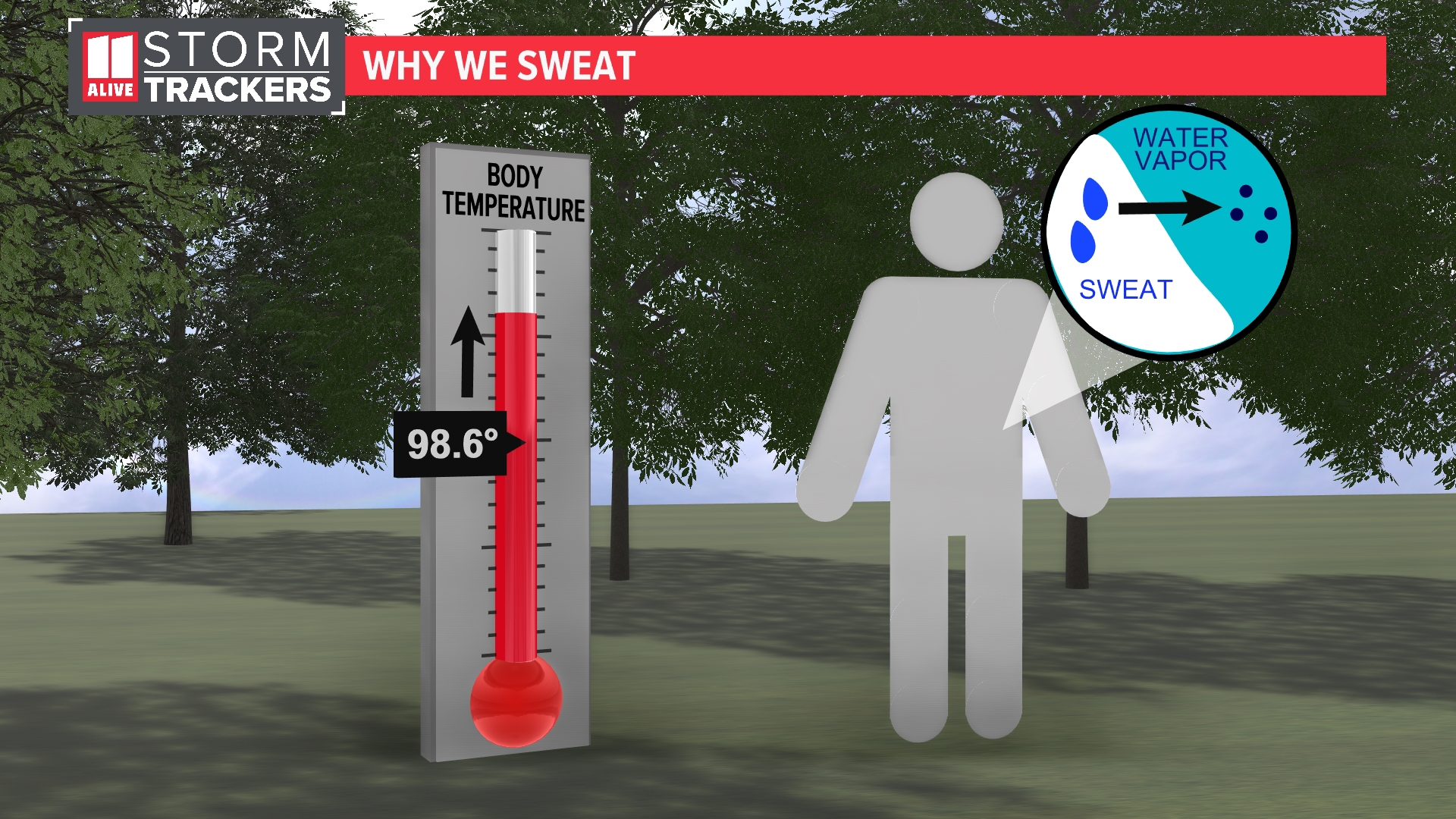
The water (sweat) on your skin absorbs heat from your body as it changes from a liquid to a gas (water vapor). This process requires energy, and where does that energy come from? You guessed it! Your body heat! It's like your sweat is stealing the excess heat and floating away with it.
Think of it like this: you step out of the shower all wet. Doesn’t it feel kinda chilly? That's evaporation at work! The water on your skin is taking heat with it as it evaporates, leaving you feeling cooler. Same principle applies to sweating. Only, hopefully, with less shivering.
See, sweating when we work isn't just some annoying byproduct of exertion. It's an example of cooling by evaporation – a vital physiological process that prevents us from turning into human baked potatoes. (And nobody wants that.)
And that, my friends, is why your gym bag smells the way it does. (Okay, maybe that's not directly related, but it's a side effect we gotta deal with, right?)
Factors Affecting Sweat (and Smell!)
Of course, how much you sweat depends on a bunch of factors. Genetics play a role (thanks, Mom and Dad!). Your fitness level matters, too. Fitter people often start sweating sooner and more efficiently. (It's their body's way of saying, "I got this! Let's keep this engine cool.")

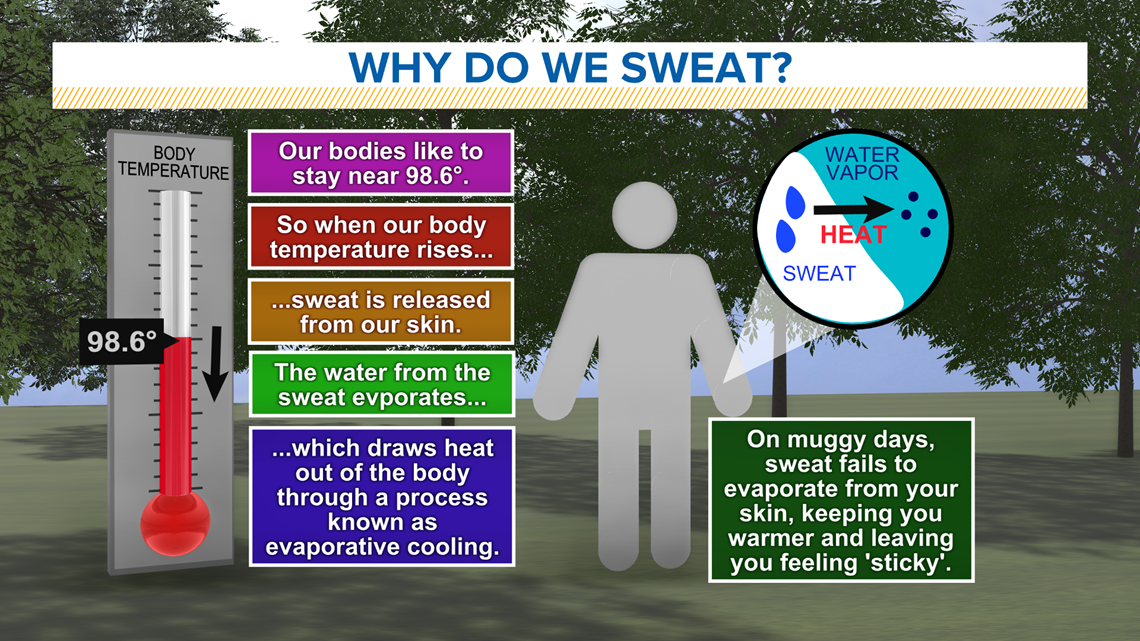
Temperature and humidity are huge factors as well. On a hot, humid day, evaporation is harder, so you sweat more but might not cool down as effectively. That's why it feels so sticky and gross. (Ugh, just thinking about it…)
And let's not forget the role of deodorant and antiperspirant. Deodorants mask the smell caused by bacteria breaking down sweat (yes, that's a whole other process!). Antiperspirants, on the other hand, actually block sweat ducts, reducing the amount of sweat you produce in the first place. (Science!)
So, next time you're breaking a sweat, remember it's not just about burning calories (though that's a nice bonus!). It's your body's ingenious way of regulating its temperature and keeping you from overheating. Give your sweat glands a little nod of appreciation. They're working hard for you!
Now, if you'll excuse me, I think I'll go grab a cool drink. All this talk about sweating has made me… well, you know!
Stay cool, friends!