Surface Mining 1 Pro And 1 Con
Ever looked at your smartphone, driven a car, or even just walked on a paved road and wondered where all those materials come from? Chances are, a lot of them started their journey from a mine! And while we often picture miners deep underground, a huge amount of the world's essential resources come from something called surface mining. It might sound industrial, but understanding how we get the building blocks of our modern world is actually pretty fascinating and fundamental to daily life.
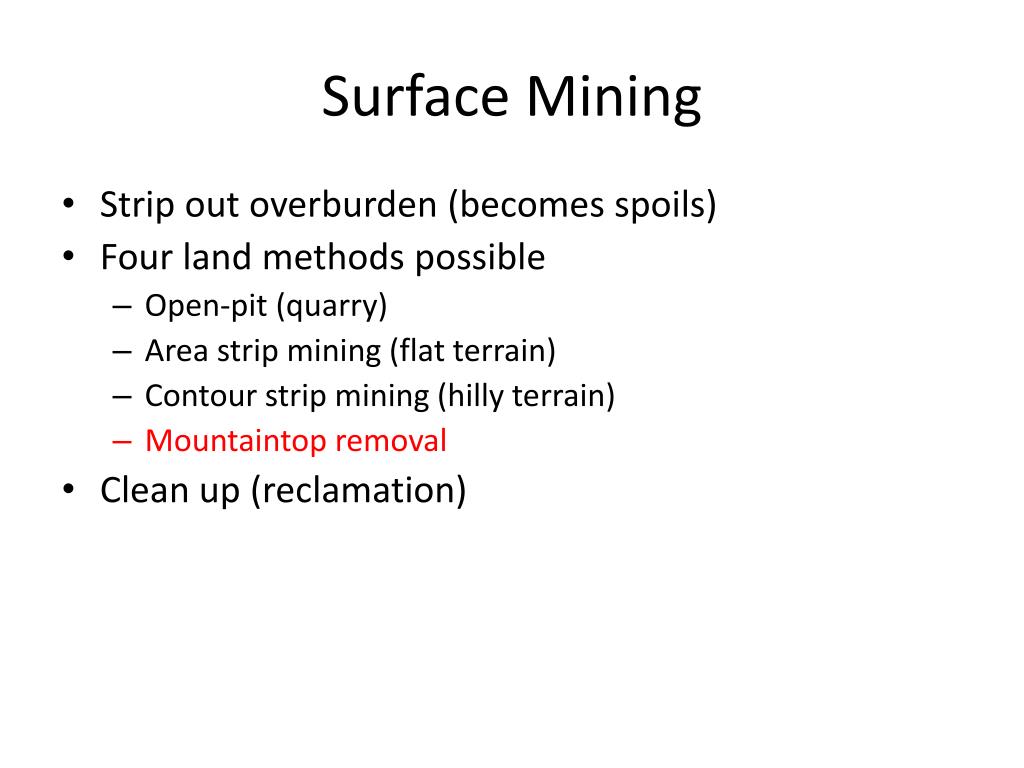
Surface mining is exactly what it sounds like: extracting minerals and other geological materials from the earth's surface rather than digging deep tunnels. Think of it like a giant excavator scooping up what's needed, often after removing layers of soil and rock above the desired deposit. This method is crucial for obtaining vast quantities of materials that are either close to the surface or spread out over a large area, making them inaccessible or uneconomical for underground methods.
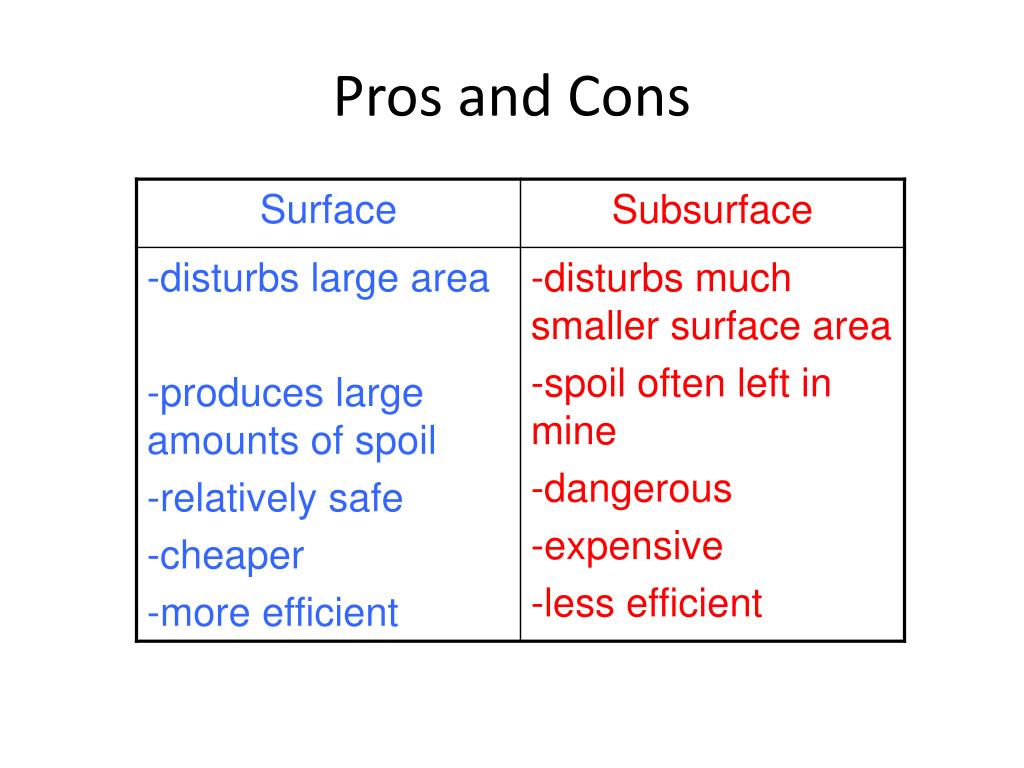
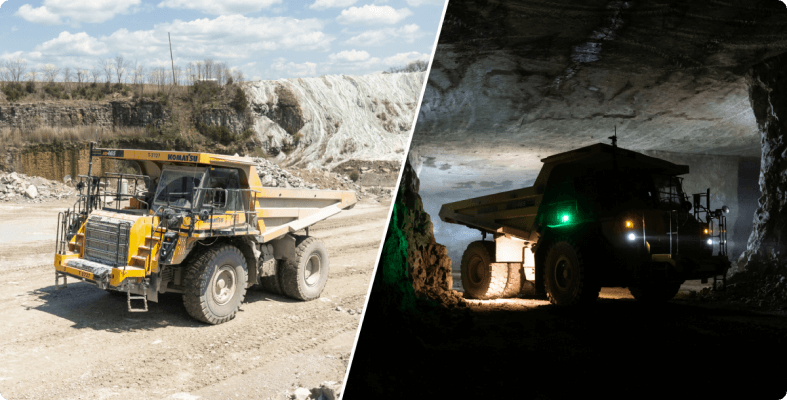
One of the biggest upsides, and a major reason why surface mining is so prevalent, is its incredible efficiency and scale. Operating in the open air allows for massive machinery – we're talking trucks the size of houses and excavators that can scoop tons of earth in a single go! This means operators can extract enormous volumes of material much faster, more safely, and often more cost-effectively than underground methods. Less need for complex ventilation systems, ground support, and the logistical challenges of working in confined spaces makes it significantly cheaper. This efficiency translates directly into more affordable raw materials for everything from the copper in your electronics to the iron ore in your car, supporting global infrastructure development. Without surface mining, many of the resources we rely on would simply be too expensive or difficult to obtain.
Must Read
However, where there are big operations, there are often big challenges. The most significant drawback of surface mining is its substantial environmental impact. To access those valuable deposits, vast areas of land are often cleared, leading to habitat destruction for countless species and a drastic alteration of the natural landscape. Think about entire mountainsides being reshaped or extensive forests disappearing. The process can also generate enormous amounts of waste rock and dust, which can pollute air and water sources. Rainwater run-off can carry contaminants from disturbed areas into rivers and streams, affecting ecosystems far beyond the mine site. While regulations and reclamation efforts are constantly improving, the initial environmental footprint of a large surface mine is undeniable and represents a significant long-term challenge for sustainable development.
So, surface mining presents us with a classic dilemma: how do we balance our need for essential resources with our responsibility to protect the planet? It's a powerful tool for progress, fueling our technological advancements and infrastructure. Yet, its environmental costs demand careful consideration and innovative solutions. As consumers, understanding this complex balance helps us appreciate the origins of our products and supports the ongoing quest for mining practices that are both productive and environmentally sound. It's a reminder that everything we use has a story, and often, that story begins with a shovel – a very, very big one!