
Stress And Strain Curve For Different Materials
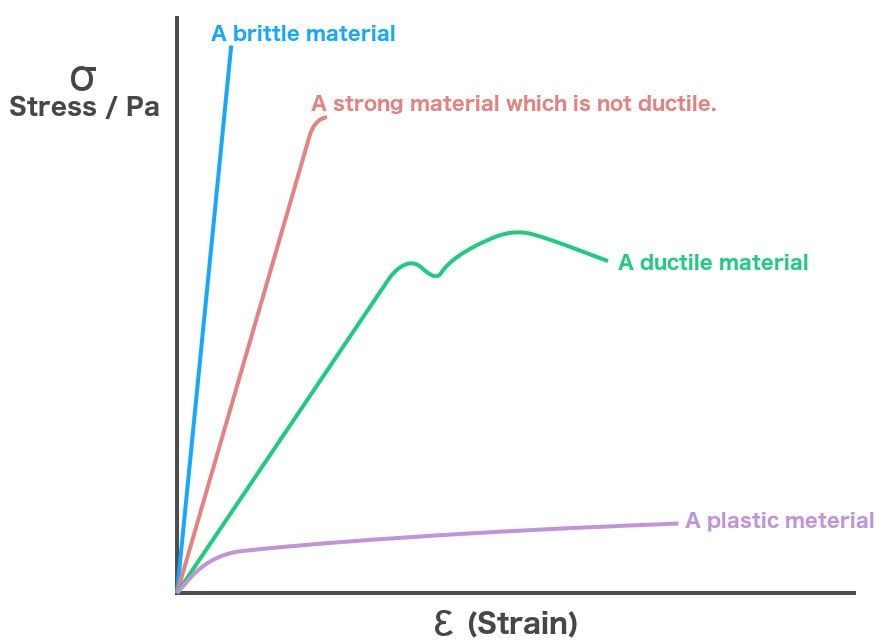
Hey! Ever squished a marshmallow? Or bent a paperclip until it snapped? That's kinda what we're diving into. We're talking stress and strain curves. Sounds boring, right? Wrong!
Think of it like this: you're the material, and someone's poking you. The poke is the stress. Your reaction to the poke is the strain. Simple!
What's This Curve All About?
Basically, it's a graph. It shows how a material behaves when you put it under pressure. Imagine stretching a rubber band. It stretches, right? That’s strain. And the force you use to stretch it? That's stress! The curve maps all this out.
Must Read
Each material has its own unique curve. It's like a fingerprint! And these curves tell us a TON. Like, can this bridge handle heavy trucks? Will this airplane wing bend too much in the wind? All thanks to the curve!
Different Materials, Different Curves, Different Personalities!
Okay, so let's meet some material personalities:
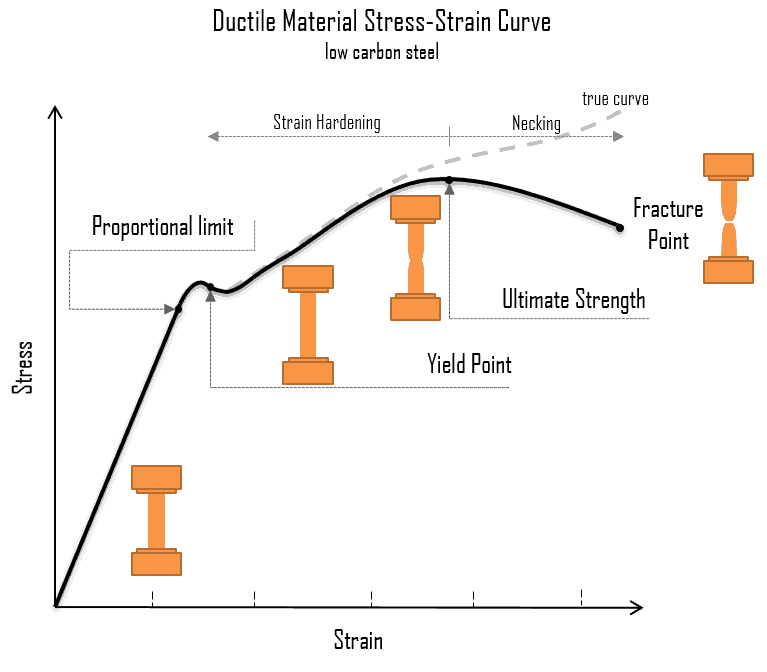
Ductile Materials: Think of them as the friendly, flexible types. They can stretch a LOT before breaking. Like copper wires! You can bend them, twist them… they'll put up with a lot. They have a long, drawn-out stress-strain curve.
Brittle Materials: These are the drama queens! They break suddenly and without much warning. Glass is a great example. You can't really bend it, can you? Just snap! Their curves are short and sweet (or maybe sour!).
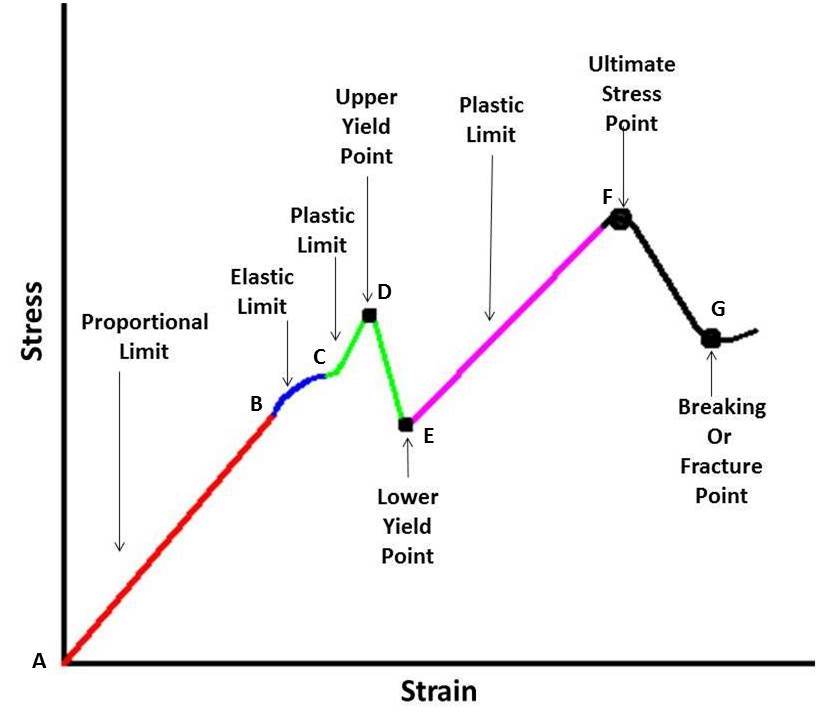
Elastic Materials: These guys are all about bouncing back. Like a spring. You stretch it, and it returns to its original shape. The "elastic region" on their curve is their happy place. Go beyond that, and they might stay stretched... permanently!
Plastic Materials: Not like the plastic wrap in your kitchen (although… kinda). This is about permanent deformation. Imagine bending a paperclip. It stays bent, right? That’s plastic deformation. It’s gone past its “elastic limit” and entered the plastic region. No going back!
Cool Curve Quirks!
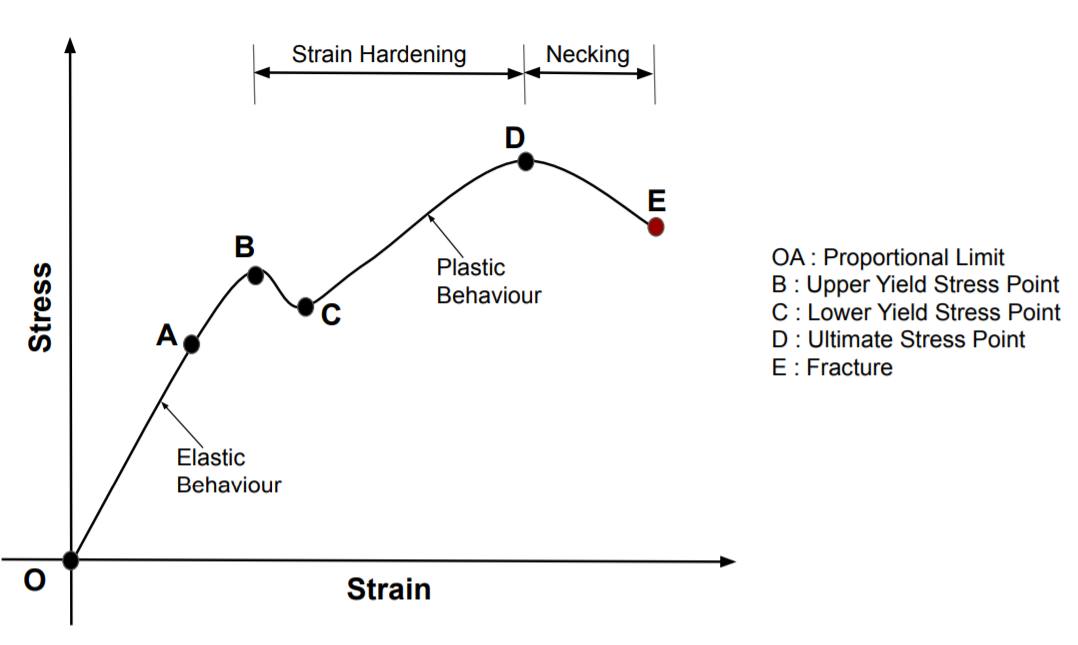
Ever heard of Yield Strength? It's the point where a material starts to permanently deform. It’s like the “I’ve had enough!” point for the material. Beyond this point, things get… bendy.
And then there's Tensile Strength! The peak of the curve! It’s the maximum stress a material can handle before it starts to neck down (like a stretched-out rubber band) and eventually breaks. Basically, it's the material's last stand!
Young's Modulus... sounds intimidating, right? Nah! It's just a measure of stiffness. How much does a material resist being deformed? Steel has a high Young's Modulus. Rubber? Not so much.
Why Should You Care? (It's Actually Pretty Awesome)
Okay, so maybe you're not building bridges. But understanding stress and strain is surprisingly useful!
Think about designing… well, anything! From phone cases to bicycle frames. You need to know how materials will behave. Will they bend? Will they break? This knowledge helps engineers make things safer, stronger, and more durable.
It also helps understand the world around you. Why does a plastic spoon snap when you try to scoop ice cream? Why can you bend a paperclip multiple times before it breaks (sometimes)? It's all in the curves!

Plus, it’s a great conversation starter. Imagine dropping this knowledge at your next party. "Hey, did you know that steel has a much higher Young's Modulus than, like, jelly?" You'll be the coolest person there!
So, Next Time You…
…stretch a rubber band, bend a paperclip, or accidentally sit on your glasses (oops!), remember stress and strain curves. They're behind everything! They are the silent heroes of engineering, ensuring everything stays standing and doesn't fall apart (most of the time).
Isn’t material science just… mind-bendingly awesome?