Stick Welding Tips And Tricks

Ever stared at a stick welder, thinking it looks like a grumpy dragon spitting sparks? You’re not alone. Stick welding, or Shielded Metal Arc Welding (SMAW) for the fancy folks, is often seen as the cranky grandpa of welding. It’s messy, it’s loud, and sometimes it just refuses to cooperate. But it’s also incredibly rewarding, especially when you coax that grumpy dragon into laying down a half-decent bead. Today, we’re ditching the stuffy textbooks and diving into some stick welding tips and tricks that might just be a little... unconventional. Call them our "unpopular opinions" on making sparks fly.
"E6013 is for Wimps" – Says Who?
Okay, let's get real. You’ll hear serious welders scoff at E6013 electrodes. They’ll tell you to wrestle with E7018, the "low hydrogen" rod, because it makes "prettier" welds and is "structurally superior." And sure, they’re right for critical applications. But guess what? For learning, for hobby projects, for just getting metal to stick to metal without too much drama, E6013 is your best friend. It’s like the comfy, old pair of sweatpants of welding rods. It’s forgiving. It strikes easily. It runs well on AC or DC. Don't let anyone shame you for loving a rod that makes your life easier. Embrace the sweet, gentle hum of a 6013.
"Sometimes, the 'easy' option is actually the smart option, especially when you're just trying to get the hang of things."
Arc Length: The "Just Close Enough" Approach
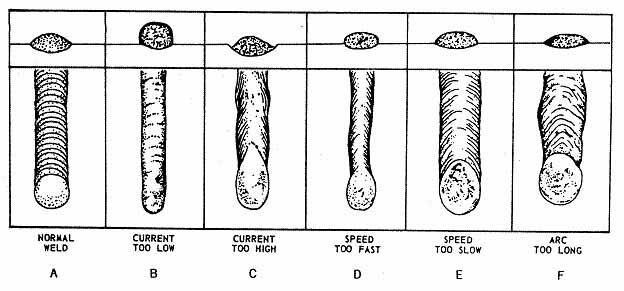
Every instructor will drill into you the importance of maintaining a "tight" arc. Like, electrode-diameter-tight. And yes, they’re technically correct. A long arc gives you more spatter, less penetration, and a generally uglier weld. But when you’re starting, that tiny gap feels impossibly hard to maintain. Here’s our slightly unpopular take: Aim for tight, but don’t beat yourself up if it’s not perfect. Sometimes, a slightly longer, more stable arc that you can actually control is better than a super-tight one that you constantly extinguish. Find your sweet spot. As long as you’re not making spaghetti with your arc, you’re probably okay for practice. Just focus on consistency.
Amperage: Hotter Than You Think (Sometimes)
The rod box has recommended amperage ranges. Your machine has a dial. Logic says, stick to the middle, right? Wrong. Or at least, not always right. If you’re constantly sticking your electrode to the metal, or your puddle looks like it’s freezing before you can even move, you’re probably too cold. Our humble advice? Don’t be afraid to crank up the amps a little. A slightly hotter weld can actually be easier to control because the puddle stays molten longer. It allows for better fluidity. You might get a bit more spatter, but a weld that actually fuses the metal together is far better than a cold, lumpy mess. Just watch the metal – if it starts looking like molten lava cascading through a weak dam, back off. But a little extra heat can solve a lot of beginner headaches.
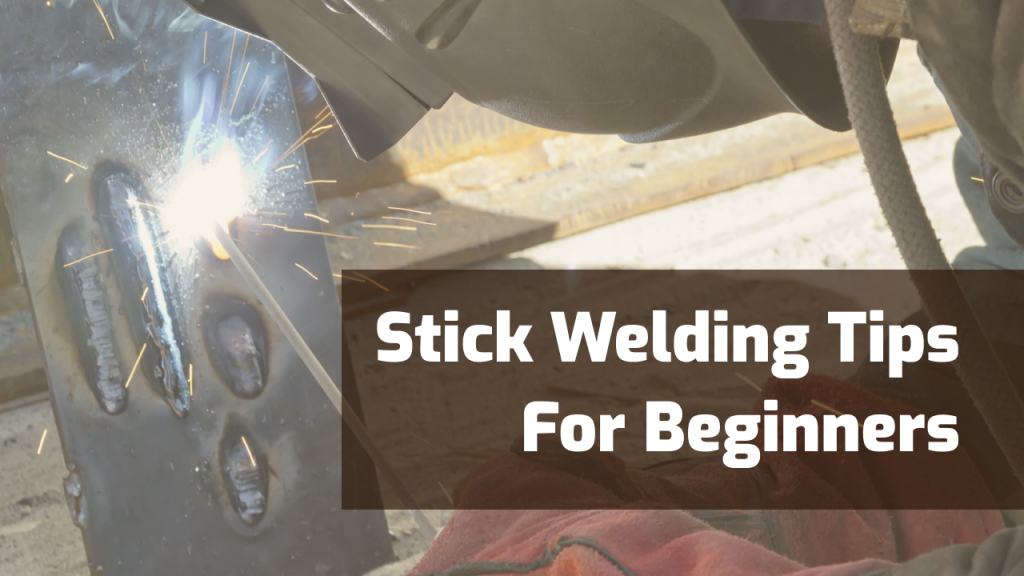
"If your electrode keeps sticking, give it more juice. It’s like trying to start a campfire with one match – sometimes you just need more heat."
Travel Speed: The "Slow-ish and Steady" Debate
"Constant travel speed!" they shout. "Don’t go too fast, don’t go too slow!" And they're right, consistency is key. Going too fast results in a thin, ropey weld that barely penetrates. Going too slow gives you a huge, gloppy mound that wastes rod and looks terrible. Our "unpopular" take? For beginners, err on the side of slightly slow. It allows you more time to watch the puddle and understand what it's doing. You can develop a rhythm. Once you can consistently make a slightly wide, uniform bead, then start speeding up. It’s easier to take metal away than to put it back. So, start a little ponderous, then pick up the pace once you feel the rhythm.
Practice: Embrace the Ugly Welds
Everyone says "practice, practice, practice." But we want to add an important caveat: embrace your ugly welds. Seriously. Your first hundred welds might look like a bird built a nest out of molten metal. They might be full of holes, massive globs, or thin, wandering lines. And that is perfectly, wonderfully okay. Don’t hide them. Don’t delete the photos. Look at them. Learn from them. The path to good welding is paved with terrible welds. Each ugly bead teaches you something: too hot, too cold, arc too long, too fast. Think of them as battle scars on your journey to becoming a welding wizard. Your best learning often comes from figuring out why something went spectacularly wrong.
So, next time you pick up that stinger, remember these slightly rebellious tips. Stick welding isn't about being perfect; it's about making progress, having fun, and maybe, just maybe, discovering that the grumpy dragon isn't so grumpy after all.