
Stick And Tig Welding Machine
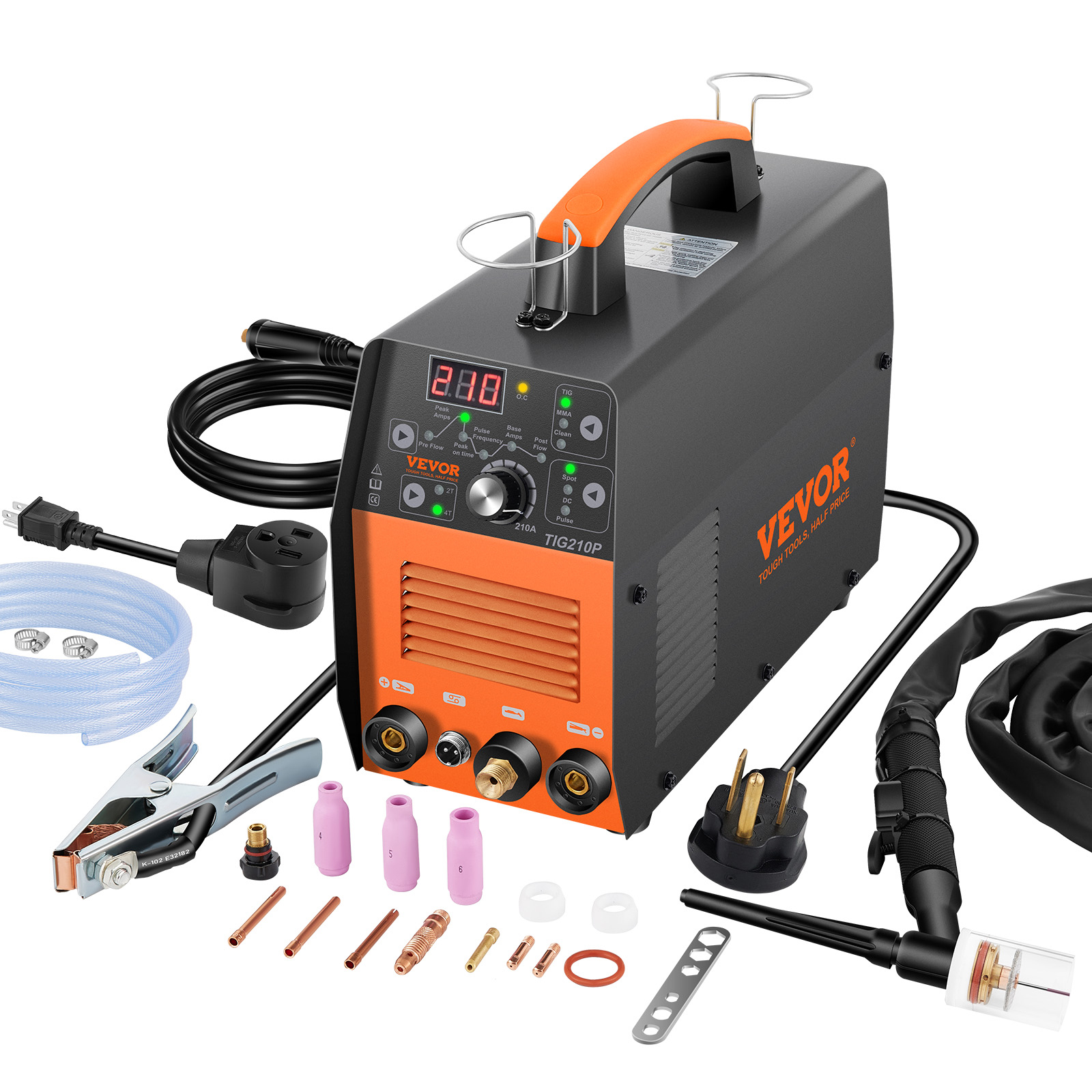
Ever gazed at a beautifully crafted metal sculpture, a custom motorbike frame, or even just a sturdy backyard gate, and thought, "How do they do that?" Chances are, the magic behind those strong, seamless bonds involves one of two fascinating processes: Stick Welding or TIG Welding. Far from being just for industrial giants, these techniques are incredibly accessible to hobbyists and DIY enthusiasts, offering a rewarding path to creating, fixing, and imagining in metal.
Let's dive into the world of sparks and molten metal, shall we?
The Mighty Stick: Your Go-To Workhorse
First up, we have Stick Welding, also known as Shielded Metal Arc Welding (SMAW). If welding had a rugged, no-nonsense elder statesman, Stick would be it. This method uses a consumable electrode (the "stick" or rod) coated in flux, which creates a shielding gas as it burns, protecting your weld from contaminants. It's the classic image: sparks flying, a steady hand, and a whole lot of grit.
Must Read
Why you'll love it: Stick is incredibly forgiving. It's fantastic for working outdoors, on dirty or rusty metal, and it doesn't require a separate gas cylinder, making it highly portable. Think farm repairs, fixing a fence post, building a heavy-duty workbench, or tackling a rustic fire pit. It's the cowboy welder's choice, known for its robustness and ability to get the job done almost anywhere.
Practical Tip: Learning to "strike an arc" is your first hurdle – it's a bit like lighting a giant match. Don't be discouraged if it takes a few tries! Maintain a consistent arc length and angle, and let the rod burn at a steady pace. Practice on scrap metal until your welds start to look like a neat stack of coins, albeit a slightly rougher one.

Fun Fact: Stick welding has been around since the early 20th century, making it one of the oldest and most widely used welding processes. It's the foundation for many aspiring welders!
The Elegant TIG: Precision and Artistry
Now, if Stick welding is the rugged cowboy, then TIG Welding (Tungsten Inert Gas, or GTAW - Gas Tungsten Arc Welding) is the meticulous artisan. TIG uses a non-consumable tungsten electrode and a separate filler rod, all protected by an inert shielding gas (usually argon). The result? Welds that are incredibly clean, precise, and beautiful – often described as looking like a "stack of dimes."

Why you'll love it: TIG is your go-to for thin materials, exotic metals like aluminum, stainless steel, and titanium, and projects where aesthetics and strength are paramount. Think custom bike frames, intricate metal art, aerospace components, or delicate automotive repairs. It's truly where welding becomes an art form.
Practical Tip: TIG welding requires a bit more coordination, often involving both hands (one to hold the torch, one to feed the filler rod) and a foot pedal to control amperage. Cleanliness is absolutely paramount here – even a tiny smudge can ruin a TIG weld. Spend extra time prepping your metal!
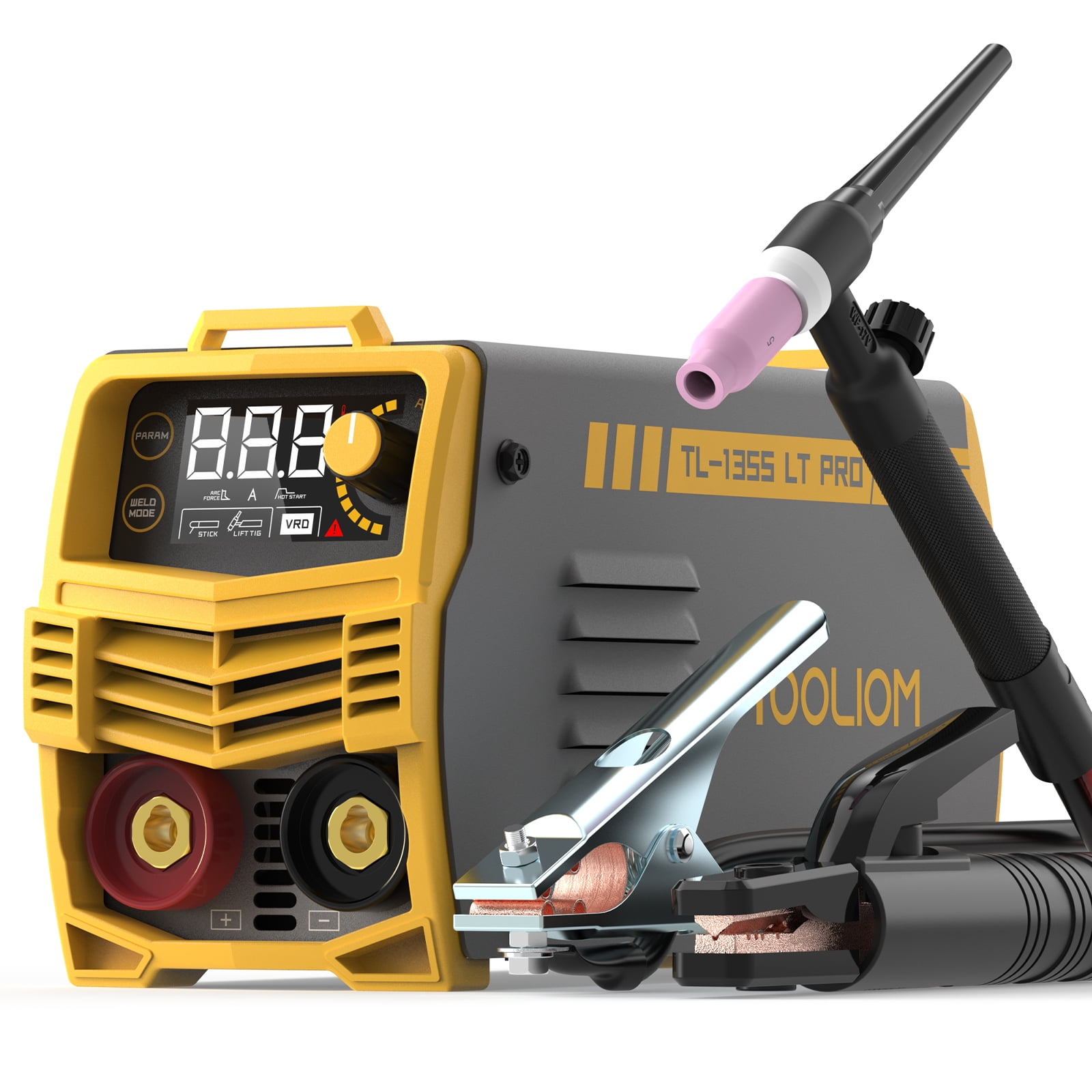
Fun Fact: TIG welding was developed in the 1940s, primarily to weld magnesium and aluminum, which were difficult to weld with other processes at the time. It opened up a whole new world of possibilities for metal fabrication.
Choosing Your Spark
So, which machine is right for your creative journey? It really depends on your goals:
![ARCCAPTAIN Stick Welder, [Large LED Display] 200A ARC/Lift TIG Welding](https://m.media-amazon.com/images/I/71cpyjk-CtL.jpg)
- If you're looking for a robust, versatile, and budget-friendly option for general repairs, outdoor projects, or learning the basics, a Stick welder is an excellent starting point.
- If you dream of precise, visually stunning welds on thinner, more exotic metals, and you're ready for a bit more of a learning curve, a TIG welder (or a multi-process machine that includes TIG) will be your ultimate companion.
Regardless of your choice, remember that safety is non-negotiable. Always wear a proper welding helmet with the correct shade, thick leather gloves, a flame-resistant jacket, and safety glasses underneath. Good ventilation is also key!
Beyond the Sparks
Learning to weld, whether with Stick or TIG, is more than just acquiring a technical skill. It's about problem-solving, patience, and the immense satisfaction of transforming raw metal into something strong, functional, and often beautiful. It teaches you to appreciate the hidden structure in everyday objects, to see potential where others see only scrap, and to understand the physics of creation.
In a world of fast consumption, there's something profoundly grounding about making something solid with your own hands. It’s a tangible connection to craftsmanship, a quiet rebellion against the disposable. So, why not pick up a torch and start building something truly lasting in your own life?