
Steel Processing For Heat Exchange Applications

Ever wondered how we keep things cool (or hot!) efficiently? It's not just magic. It involves some seriously cool science and, you guessed it, steel! And, more specifically, clever ways to process steel to make heat exchangers that will make your head spin.
Getting Steamy with Heat Exchangers
Heat exchangers are everywhere. From your car's radiator to massive power plants, they transfer heat from one place to another. They are the unsung heroes of temperature control! Think of them as tiny thermal ninjas, working tirelessly behind the scenes.
But what makes them so effective? Well, the secret lies in the materials they're made from, and how those materials are treated. Steel is a champion in heat transfer, but raw steel can be even better after a bit of processing.
Must Read
Why Steel Rocks (for Heat Exchange)
Steel has some seriously impressive qualities. It is durable, relatively inexpensive, and a decent conductor of heat. All great starting points for a heat exchanger!
But to truly unlock its potential, we need to get crafty. That’s where steel processing comes in. These are the special techniques to boost its performance.
The Amazing World of Steel Processing
Steel processing for heat exchangers isn't just about melting metal and hoping for the best. It's a meticulous, almost artistic process. There are several awesome techniques.
Rolling and Forming: Shaping the Flow
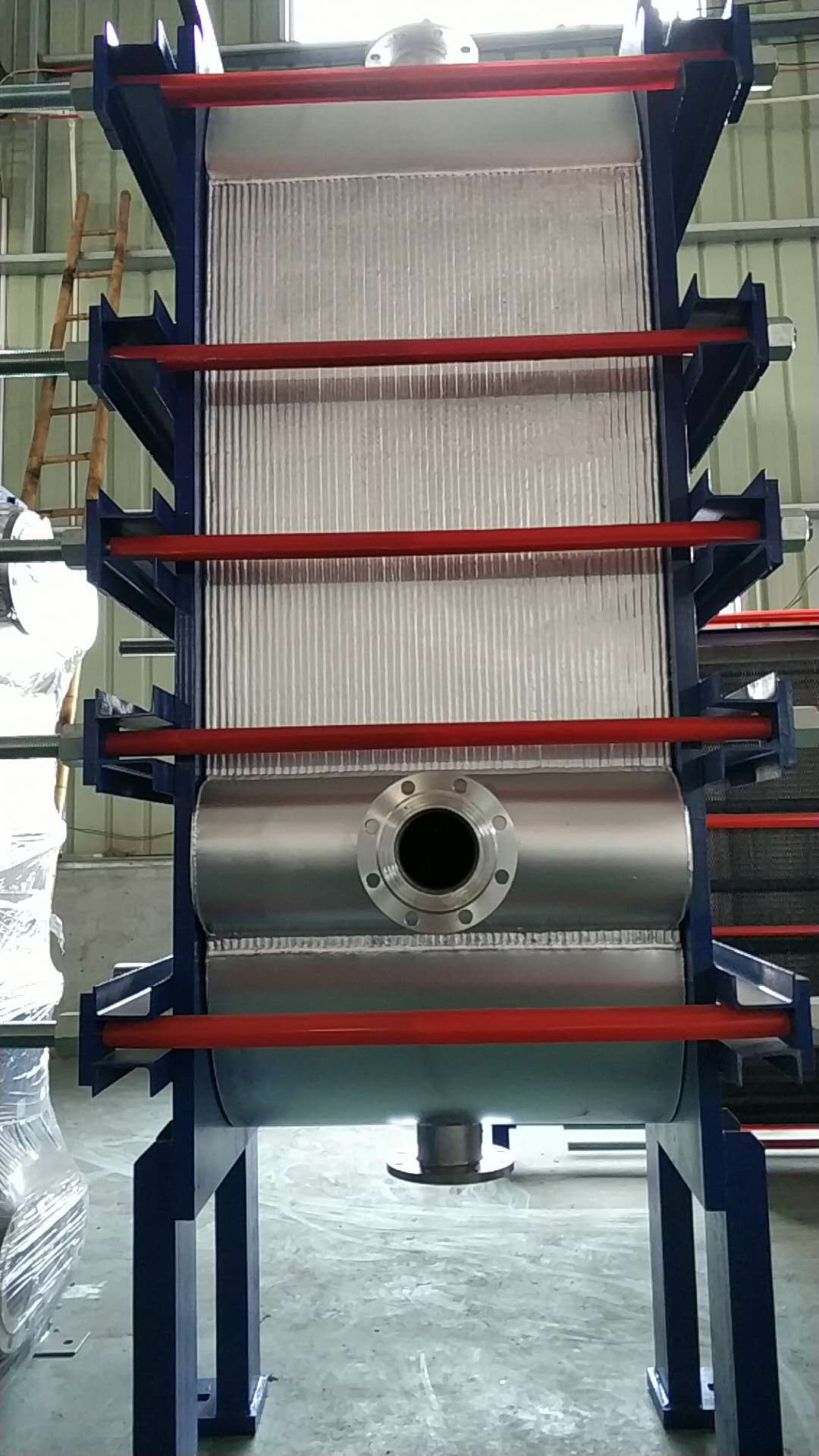
First up, we need to shape the steel. Rolling and forming are key to creating the plates and tubes that form the backbone of a heat exchanger. Think giant rolling pins flattening dough, but instead of cookies, we get super-thin steel sheets!
These sheets are then formed into intricate patterns. Corrugations, fins, and other shapes increase the surface area. More surface area means more heat transfer. Simple, right?
Welding: Joining the Forces
Next, we need to join all those shaped pieces together. Welding is the superstar. It's like the superglue of the metal world.
Precise welds are crucial for withstanding high pressures and temperatures. Imagine a tiny leak in a massive power plant – not good! Skilled welders are true artisans.
Heat Treatment: Taming the Beast
Now, for the really fun stuff: heat treatment. This isn't just about making the steel hot, it's about changing its internal structure. Imagine baking a cake: you wouldn't just put it in the oven without setting the temperature, would you?
Different heat treatments achieve different results. Annealing can soften the steel, making it easier to work with. Quenching and tempering can harden it, boosting its strength. It’s all about finding the perfect balance.
Surface Treatment: The Finishing Touch
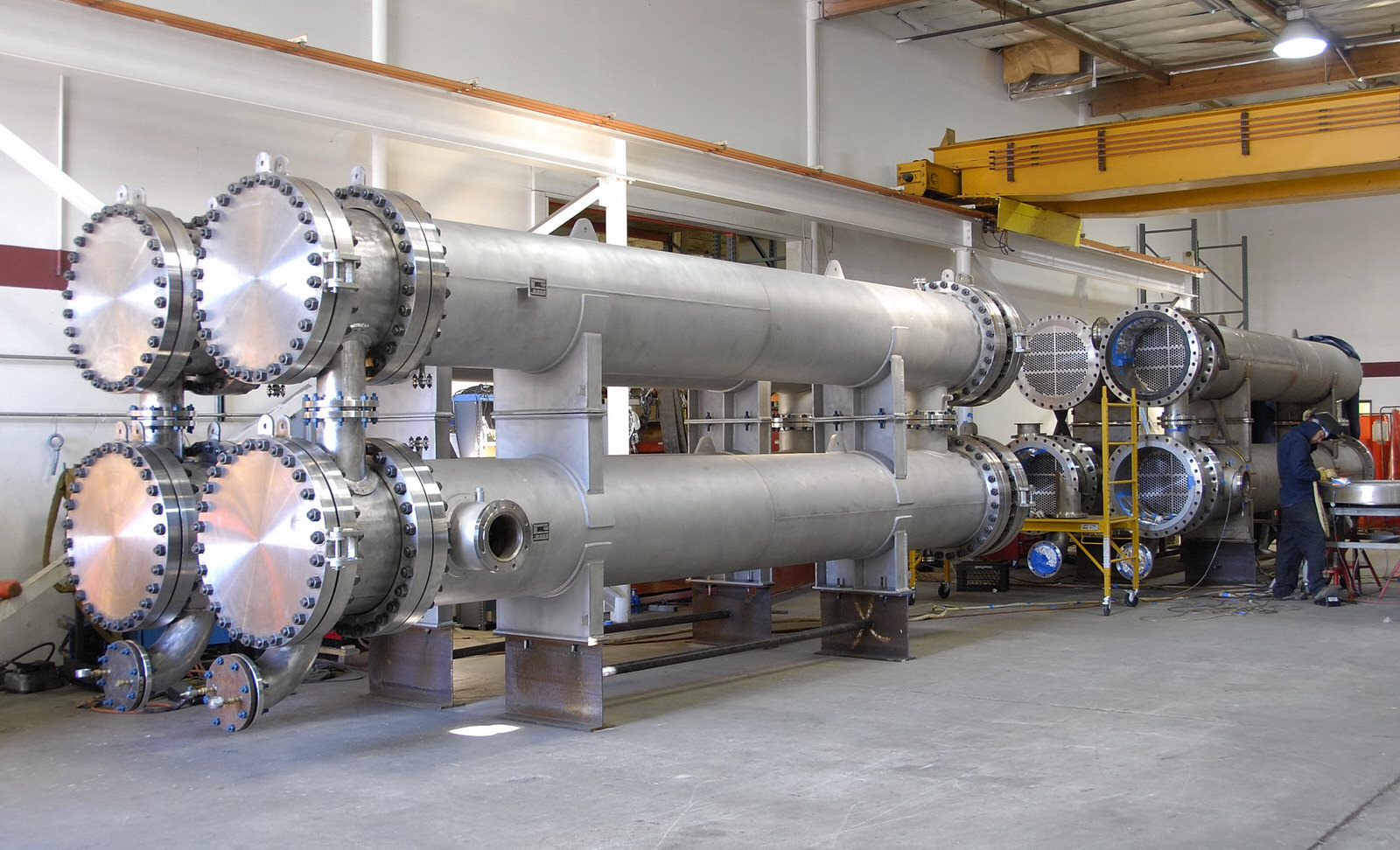
Finally, we need to protect the steel from corrosion. Heat exchangers often deal with harsh chemicals and extreme temperatures. Rust is NOT our friend!
Surface treatments like coatings and platings create a protective barrier. These prevent corrosion and ensure the heat exchanger lasts a long time. Think of it as giving your steel a super-powered shield.
Why It's So Entertaining (Seriously!)
Okay, I know what you are thinking. Steel processing doesn't sound like a laugh riot, but hear me out!
First, there’s the sheer scale of some of these operations. Giant machines bending and shaping steel like it's Play-Doh are mesmerizing.
Then, there is the precision involved. The tolerances are incredibly tight. It is like watching a surgeon perform a delicate operation, but with metal.
And finally, there's the result. A heat exchanger that quietly and efficiently keeps things running smoothly. You might not notice it, but it is making a difference every single day.
The Special Sauce: It's All About Optimization
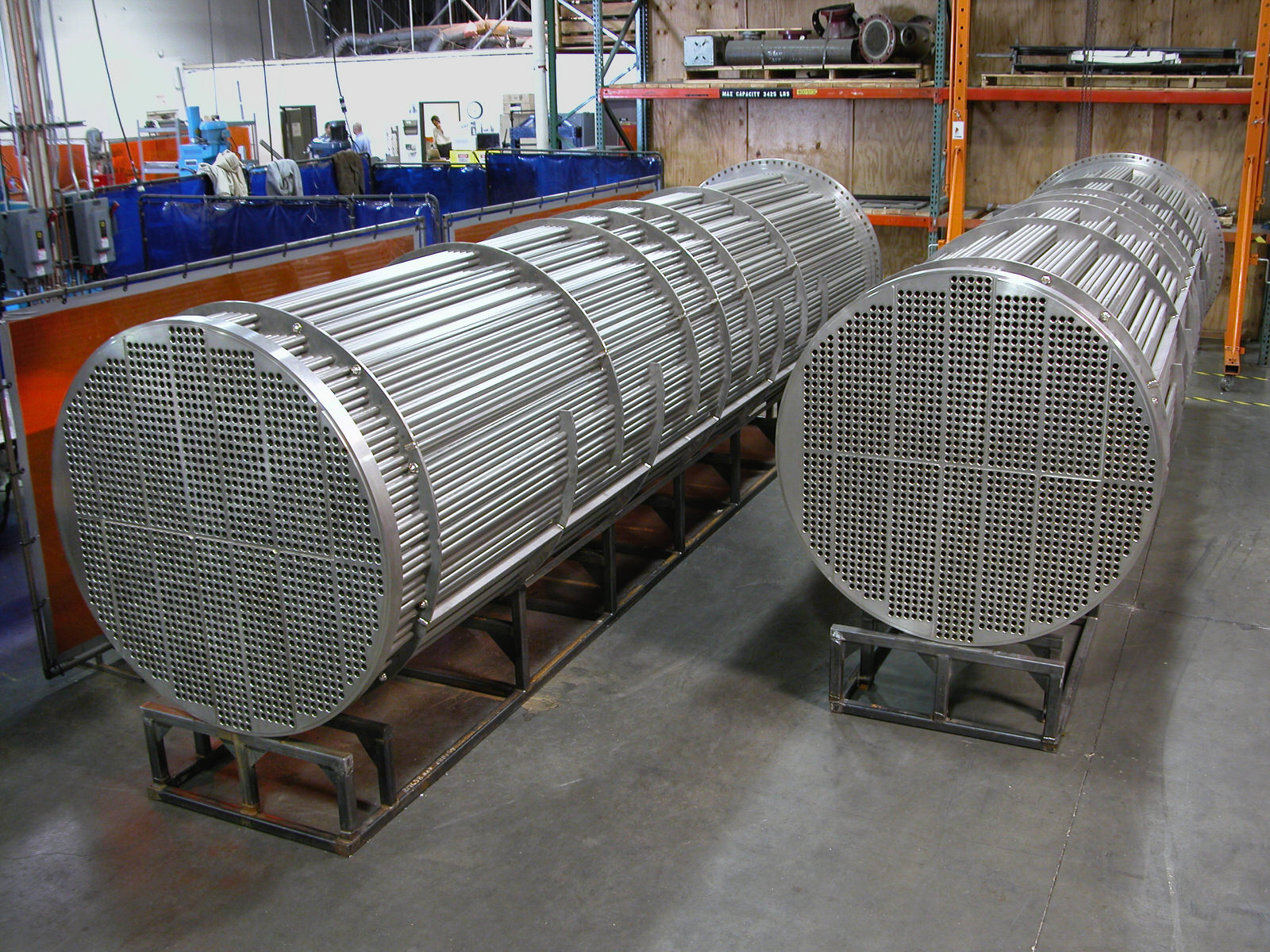
What truly sets steel processing for heat exchangers apart is the constant push for optimization. Engineers are always looking for ways to make the process more efficient. They want to get the most heat transfer out of the least amount of material.
This drive leads to some seriously clever innovations. New alloys, advanced welding techniques, and creative surface treatments are constantly being developed. It's a never-ending quest for thermal perfection!
It's a field where science, engineering, and a bit of artistry collide. You can see the evolution of engineering thought applied into it.
Getting Curious? Explore Further!
Hopefully, I have piqued your interest in the wild world of steel processing for heat exchangers. It's a fascinating field with tons to explore.
Dive into the science of metallurgy. Discover the latest welding techniques. Marvel at the ingenuity of heat exchanger design. You might be surprised at what you find!
Next time you're stuck in traffic, remember your car's radiator. Or maybe your home's HVAC system. Take a moment to appreciate the engineering marvels that are working tirelessly to keep you comfortable. And give a silent cheer for the amazing properties of steel!
The Future is Hot (and Cool!)
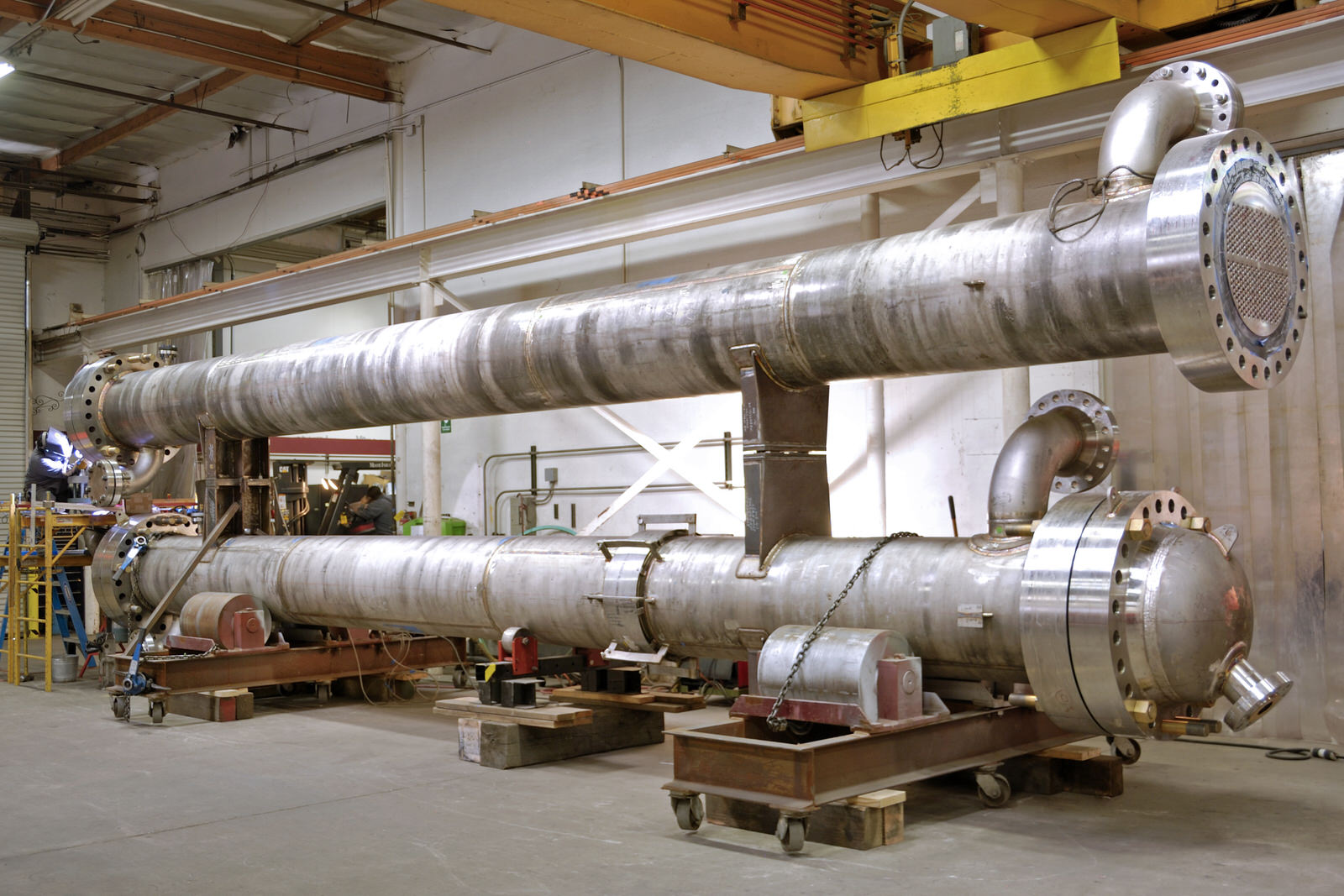
Steel processing for heat exchangers isn't going anywhere. As we strive for greater energy efficiency and sustainable solutions, it will only become more important.
Imagine heat exchangers that are even smaller, lighter, and more efficient. Maybe even self-repairing! The possibilities are endless.
So, keep an eye on this space. The future of cooling (and heating) is looking bright. It is powered by ingenious steel processing!
So, next time you are enjoying a perfectly chilled drink or a cozy warm room, remember the unsung heroes. They are the steel heat exchangers and the clever processing that makes them possible.
It's a world of fiery furnaces, precise measurements, and constant innovation. It's a world of steel, transformed into something truly amazing!
"Steel doesn't care whether you're an engineer or an artist. It only cares that you treat it right!"
The world of heat exchangers is everywhere. So, the more we learn and explore, the better prepared we are for the future.
And remember, steel is not just a metal; it's a story. A story of innovation, resilience, and the relentless pursuit of thermal perfection.
We need to admire the beauty in all of this.