Steel Compliance With International Quality Standards
Ever wondered how skyscrapers manage to stand tall, or why your car doesn't simply crumple in an accident? The answer, in large part, lies in steel and its adherence to rigorous international quality standards. It might sound dry, but understanding this intricate system is like gaining a secret decoder ring to the modern world. It unlocks insights into everything from the bridges you cross to the appliances in your kitchen. So, let's dive in!
The purpose of steel compliance with international quality standards is quite simple: to ensure consistent safety, reliability, and performance across the globe. These standards, created by organizations like the International Organization for Standardization (ISO) and ASTM International, set precise benchmarks for the chemical composition, mechanical properties, and manufacturing processes of steel. Think of it like a universal recipe book for creating high-quality steel, ensuring everyone uses the right ingredients and techniques.
The benefits of this compliance are far-reaching. Firstly, it minimizes risk. When steel meets international standards, engineers can confidently use it in critical applications knowing it will perform as expected. This is vital for buildings, bridges, pipelines, and vehicles, where failure could have catastrophic consequences. Secondly, it promotes global trade. With standardized quality, businesses can buy and sell steel across borders with greater assurance, knowing that the material will meet their requirements, regardless of its origin. Thirdly, it fosters innovation. By establishing clear performance targets, these standards drive manufacturers to develop new and improved steelmaking processes and alloys.
Must Read
You might not realize it, but these standards touch your life every day. In education, engineering students study these standards to learn about material properties and design safe and reliable structures. Construction management courses also emphasize the importance of compliant materials. Think about it – if you're building a model bridge in class, you're essentially engaging with the very principles outlined in these standards! In daily life, consider the steel frame of your car, designed to protect you in a collision according to specific safety standards. Or the steel pipes that deliver water to your home, meeting stringent requirements for purity and durability. Even your stainless-steel cutlery adheres to certain standards ensuring it's food-grade and resistant to corrosion.
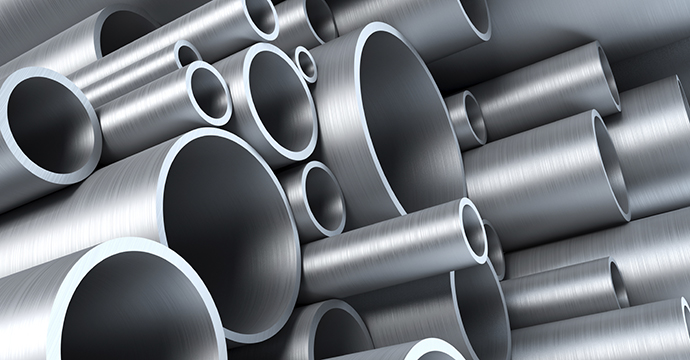
So, how can you explore this fascinating topic further? A simple way is to start noticing steel in your environment. Look for markings or certifications on metal products – these often indicate adherence to specific standards. Search online for examples of product recalls due to non-compliant steel; this vividly illustrates the consequences of failing to meet quality standards. You can also explore the websites of organizations like ISO or ASTM International. While their documents can be technical, their introductory materials often provide a good overview. Or, next time you’re near a construction site, take a moment to appreciate the sheer strength and reliability of the steel holding everything together – a testament to the power of international quality standards.
Ultimately, understanding steel compliance is understanding a fundamental aspect of modern engineering and manufacturing. It's about ensuring safety, promoting global commerce, and driving innovation. So, keep your eyes peeled and your curiosity piqued – you might be surprised at how often this seemingly obscure topic pops up in your daily life!