State Income Tax Rate In Texas
Let's be honest, few topics get people genuinely excited quite like... taxes. Wait, come back! Before you click away faster than a jackrabbit on a hot griddle, hear me out. There's one particular tax situation in Texas that brings a genuine smile to many faces, and it's something Texans "enjoy" every single day, often without even realizing it. We're talking about the State Income Tax Rate in Texas, or rather, its blissful absence!
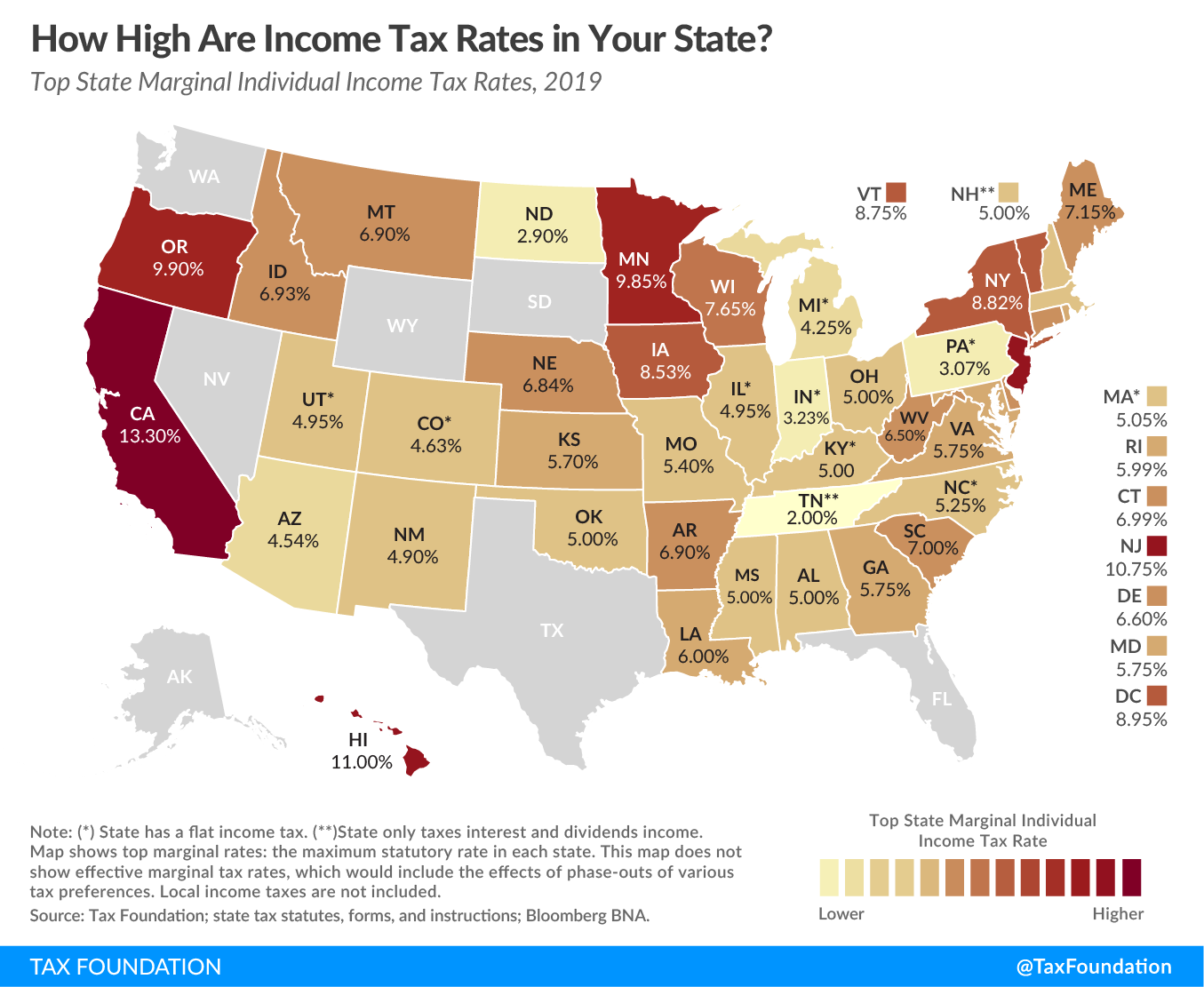
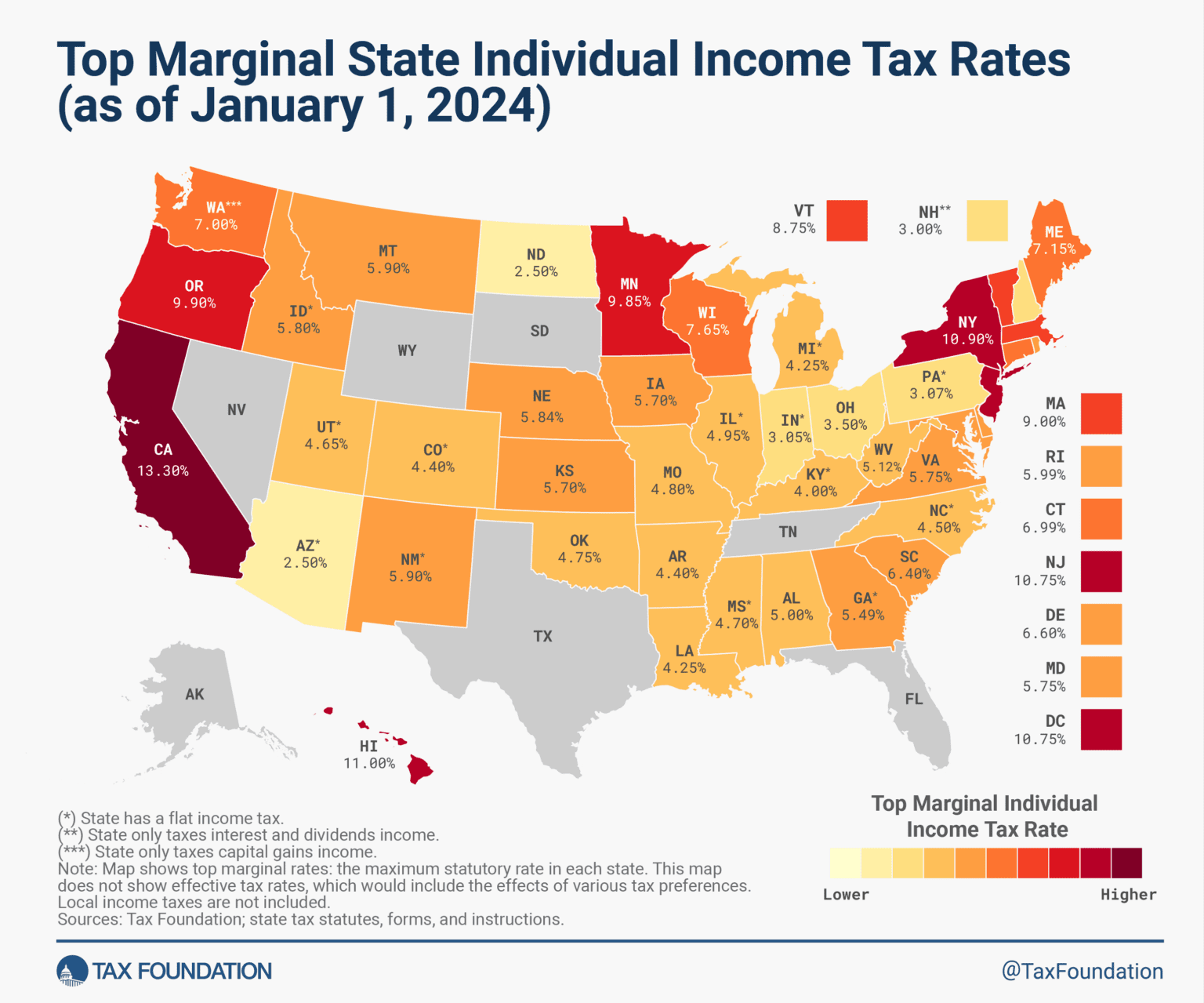
That's right, folks! In the Lone Star State, when it comes to state-level income tax, the rate is a resounding, glorious zero percent. For many, this isn't just a number; it's a financial breath of fresh air, a bit of extra wiggle room in the budget, and a reason why Texas continues to be a magnet for individuals and businesses alike. The benefit is simple yet profound: more of your hard-earned money stays in your pocket. Imagine glancing at your paycheck and not seeing a line item dedicated to state income tax withholding. That's the Texan reality!
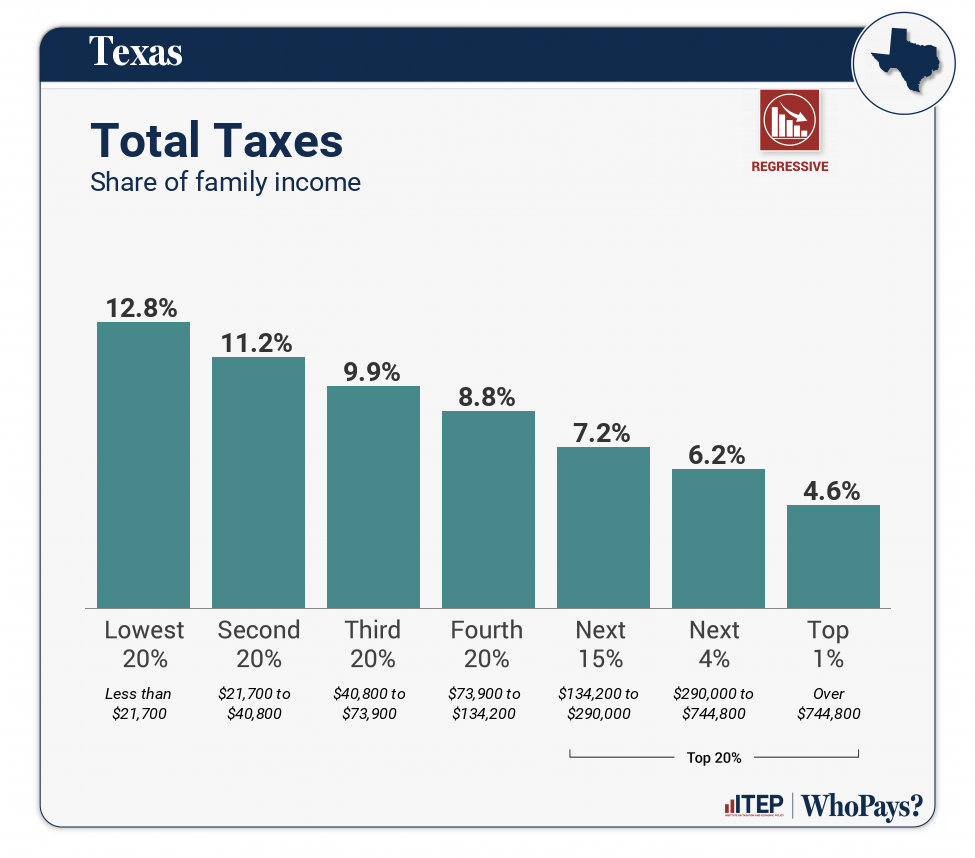
So, how does Texas manage to keep the lights on and the roads paved without dipping into your individual income? It’s a fascinating balancing act. The state largely relies on a combination of other revenue streams. The big players are the sales tax, which you pay on most goods and services, and property taxes, which are levied by local entities like counties, cities, and school districts. This structure means that while your take-home pay might look healthier, you’re contributing to state and local coffers through your consumption and land ownership. It's a common example of a state choosing one fiscal philosophy over another, designed to foster economic growth by attracting talent and capital.
Must Read
Now, how can you "enjoy" this tax structure more effectively? It's all about awareness and smart financial planning. First, appreciate that extra take-home pay, but don’t forget that Texas isn't a tax-free paradise. Those savings often get reallocated. Second, become acutely aware of your local property tax rates. Because there's no state income tax, local governments often rely more heavily on property taxes to fund schools, emergency services, and infrastructure. Understanding these rates, and how they impact your mortgage payment, is crucial. Third, factor in the sales tax when budgeting for major purchases. While it’s not an income tax, it’s a significant part of the state’s revenue, and it adds up!
Ultimately, enjoying Texas's unique approach to state income tax means being an informed resident. It’s about understanding the trade-offs, making smart financial choices with your increased take-home pay, and recognizing that every state has its own way of funding public services. So, go forth, enjoy that extra bit of cash in your wallet, and perhaps raise a glass (purchased with a bit of sales tax, of course!) to the spirit of Texas fiscal policy!