State And Local Tax Rate Texas
Ever marveled at a smooth, pothole-free road? Felt safe knowing a well-equipped fire department is just a call away, or seen your kids thrive in quality public schools? These everyday comforts, often taken for granted, are the quiet heroes funded by a topic many find… less than thrilling: taxes. But here in Texas, understanding how your contributions fuel these vital services can actually be quite empowering, and even a little bit fun – especially when you discover our unique approach to the financial ecosystem!
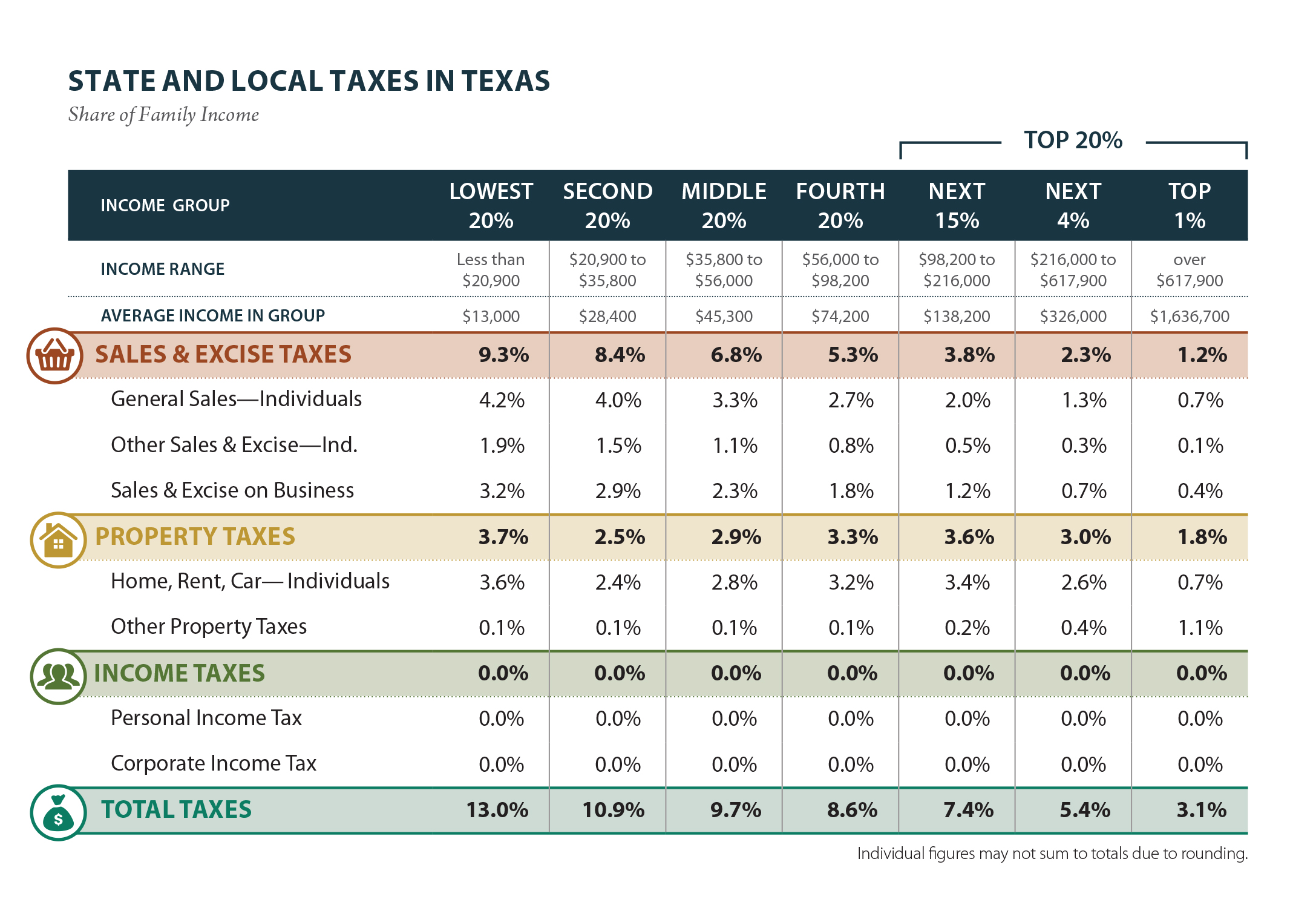
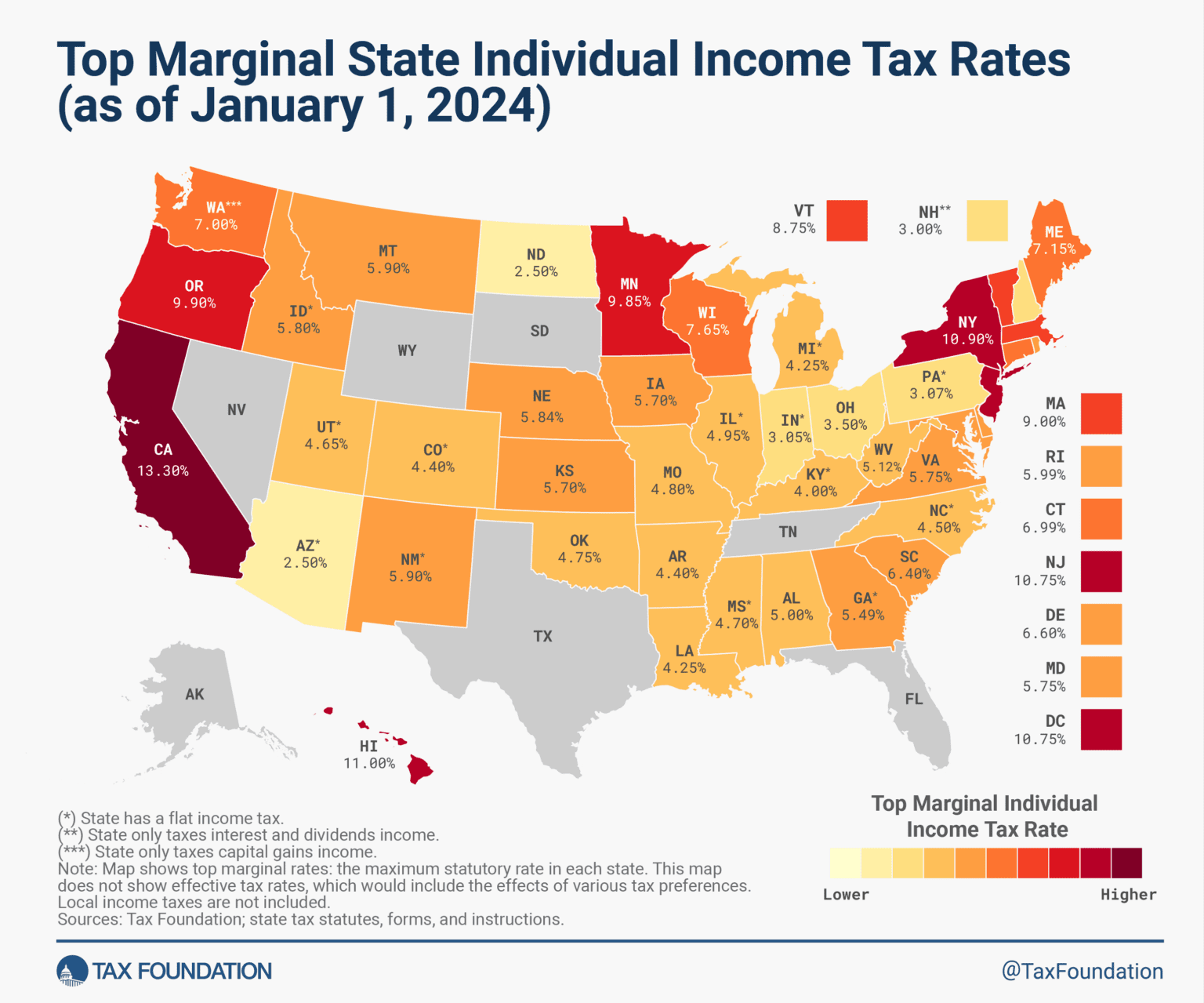
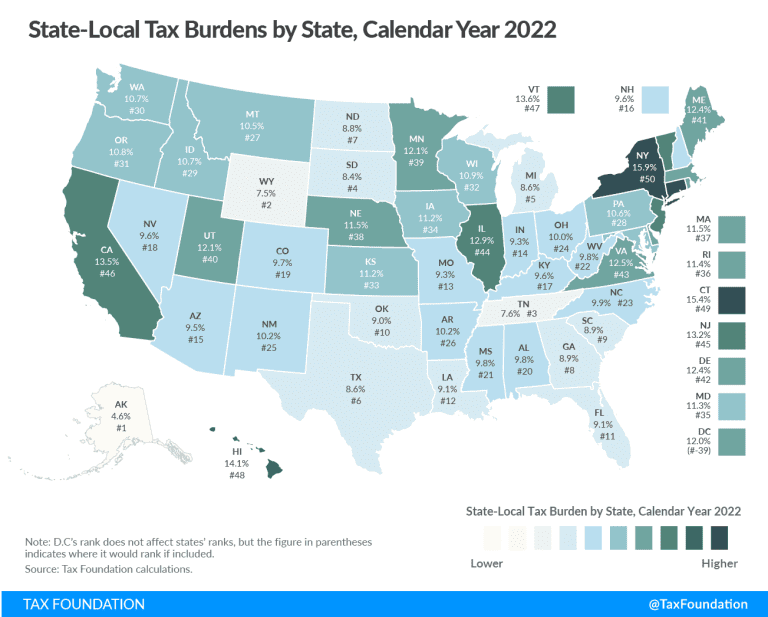
The Lone Star State has a rather distinctive philosophy when it comes to supporting its public services. The most talked-about benefit, and a huge draw for many, is that Texas boasts no state income tax. That's right! Your hard-earned paycheck doesn't see a chunk taken out by the state before it even hits your bank account. This isn't just a quirky fact; it means more of your gross income stays in your pocket for you to spend, save, or invest as you see fit. However, essential services still need funding. So, the purpose here is simple: ensure Texans have excellent infrastructure, emergency services, and educational opportunities, all while maintaining a business-friendly environment that encourages economic growth.
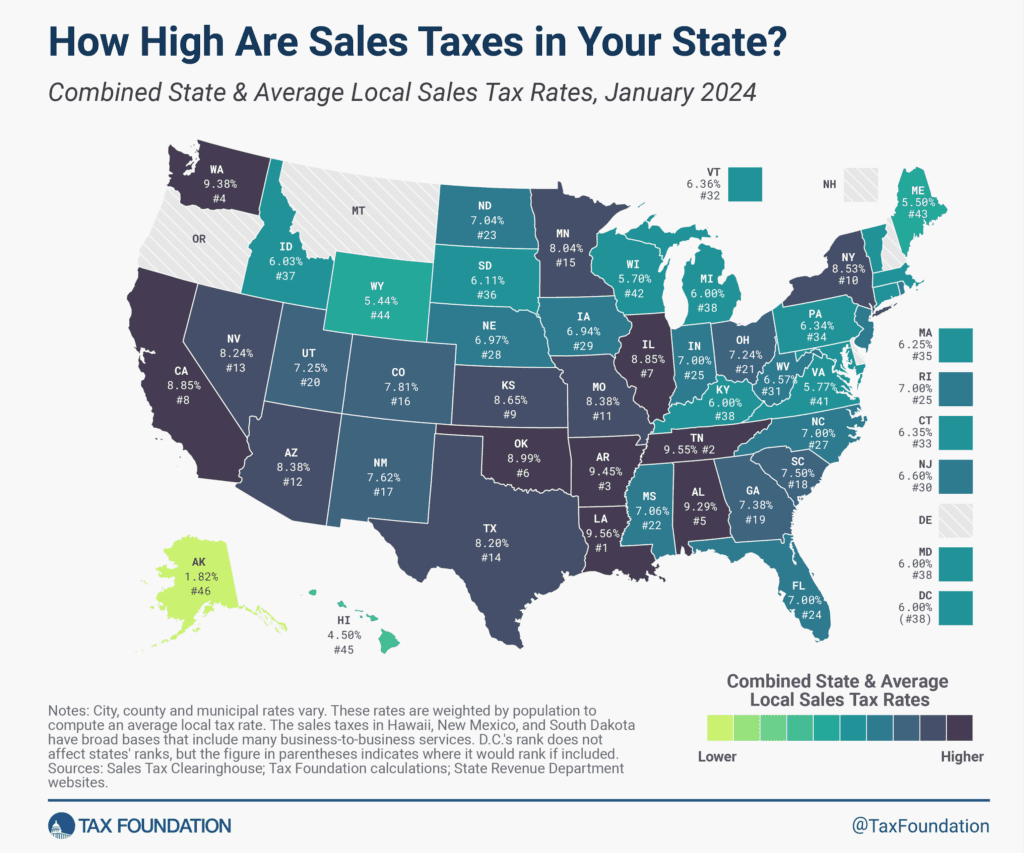
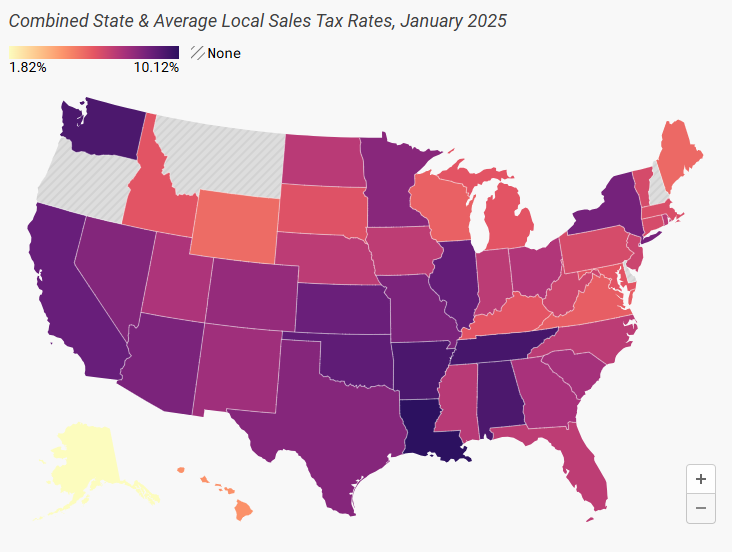
So, where does the money come from? Texas primarily relies on two major revenue streams: property taxes and sales taxes. You encounter sales tax every time you buy something – from groceries (though many food items are exempt) to that new gadget. The state sales tax rate is 6.25%, but local jurisdictions (cities, counties, special districts) can add up to another 2%, bringing the total up to a common 8.25% in many areas. Property taxes, on the other hand, are levied on real estate. These funds are crucial for local school districts, county services, and city operations. It’s a direct way your property contributes to the community around it, ensuring everything from parks to police forces are well-funded.
Must Read
Navigating the Texas tax landscape effectively doesn't have to be daunting. For homeowners, understanding your property tax appraisal is key. Appraisal districts assess your home's value, and you have the right to protest this appraisal if you believe it's too high. Be sure to file for your homestead exemption; it can significantly reduce the taxable value of your primary residence. When making large purchases, remember the sales tax will add a notable amount to the final price. Also, keep in mind that local tax rates, both for sales and property, can vary significantly from one city or county to another. A little research can go a long way in understanding your total tax burden depending on where you choose to live or shop in this vast state. By being informed, you can make smarter financial decisions and truly appreciate the services your contributions provide!