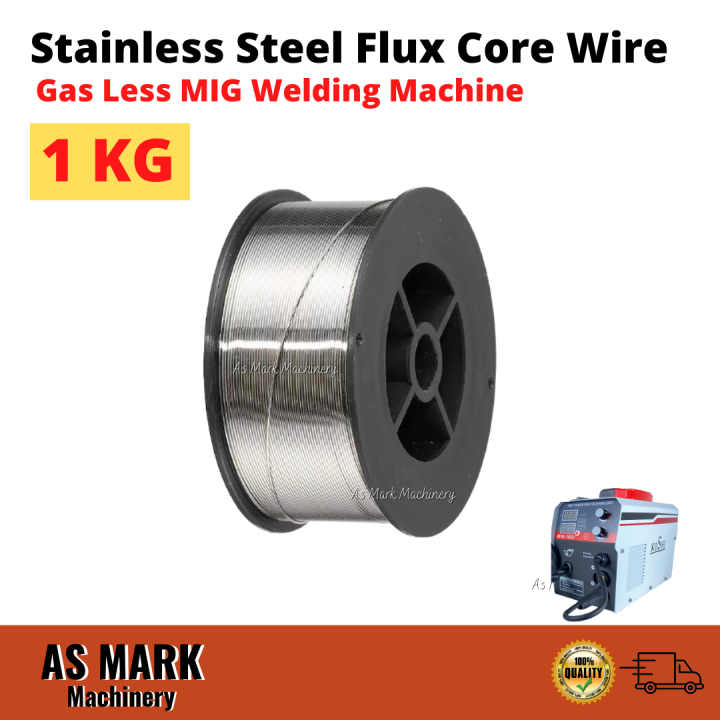
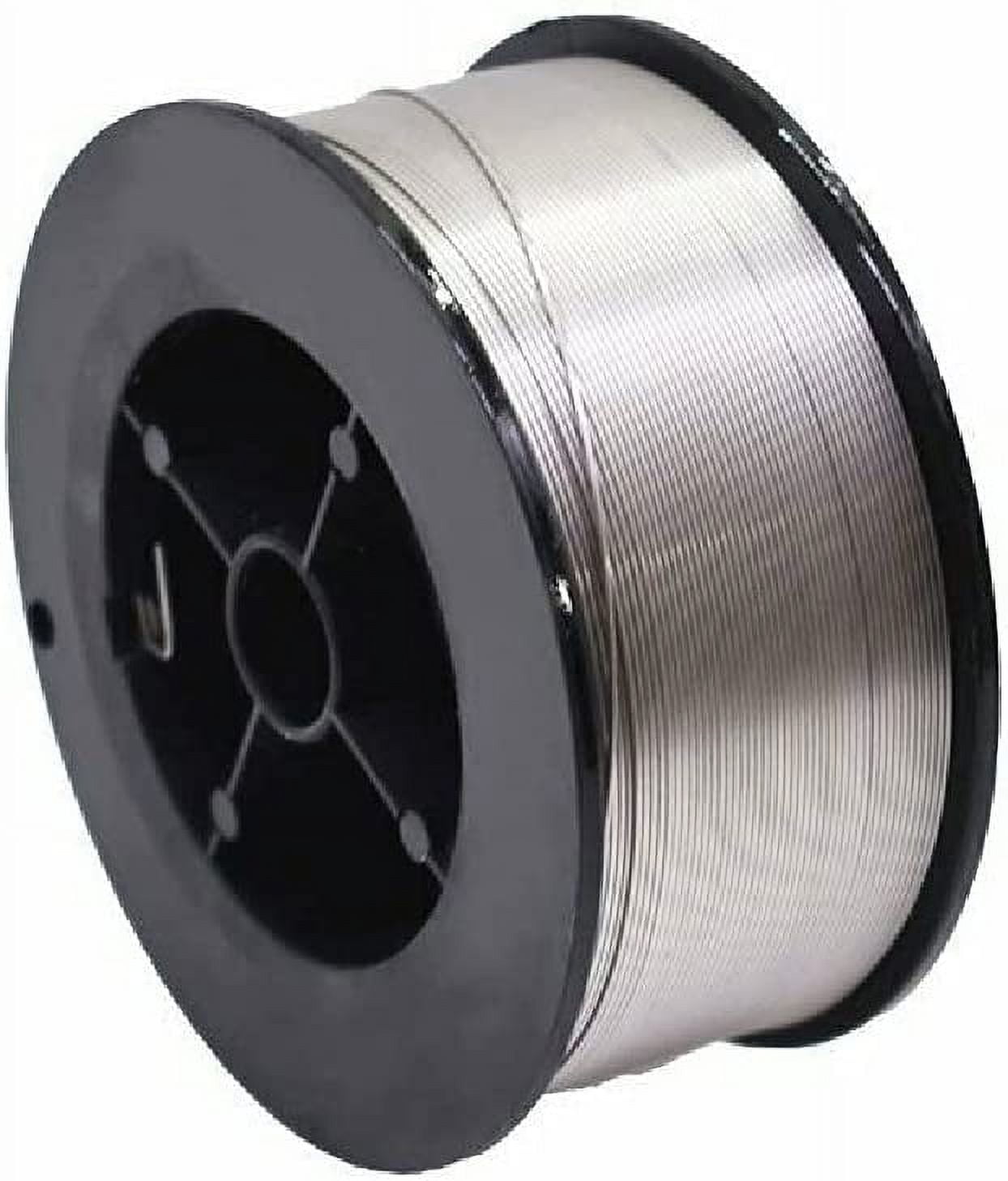
Stainless Wire For Mig Welder
Ever stared at a finished project, proud, only to see that first tiny speck of rust appear a few months later? Yeah, me too. My custom mild-steel smoker, a true labor of love, developed a few stubborn spots. That's when I thought, "There has to be a better way for certain projects." And suddenly, stainless steel wire for my MIG welder wasn't just for pros anymore.
If you’re building something that needs to last, resist corrosion, or just look incredibly sharp, stainless steel is your answer. It's about crafting durable, beautiful pieces that stand up to the elements and time itself.
Why Stainless Steel for MIG?
The clue is in the name: "stainless." Unlike regular steel, which rusts, stainless contains chromium. This creates a self-repairing, protective layer that resists corrosion. It means your welds stay strong, rust-free, and good-looking for years.
Must Read
Choosing Your Stainless MIG Wire
Different jobs, different wires. Here are the main types you'll encounter:
- 308L: Your everyday hero. Great for welding common stainless grades like 304 and 304L. The "L" means low carbon, essential for preventing corrosion near your weld.
- 309L: The bridge builder. Use this for joining stainless steel to mild steel, or connecting different stainless grades.
- 316L: The tough guy. For superior corrosion resistance, especially against chlorides (think saltwater). Its molybdenum content resists pitting.
MIG Welding Stainless: Pro Tips
It’s not rocket science, but a few adjustments make a huge difference.

1. Gas is King: Ditch your C25. Stainless demands an Argon-rich gas, like 98% Argon/2% CO2 or a tri-mix. This ensures a clean, strong weld and minimizes oxidation.
2. Obsessive Cleanliness: Seriously, super important. Any oil, grease, or dirt will contaminate your weld. Use a dedicated stainless steel wire brush and cleaner. No cross-contamination!

3. Control That Heat: Stainless is heat-sensitive. Use slightly lower voltage and faster travel speed to prevent warping, discoloration ("sugaring"), and maintain corrosion resistance. Keep it cool.
4. Push, Don't Pull: Generally, a pushing technique offers better gas coverage and a cleaner, more consistent bead on stainless.

5. It Costs More: Just a heads-up, stainless wire is pricier. Plan your projects carefully to minimize waste.
Ready to Weld Stainless?
Don't be intimidated! With these key adjustments—the right gas, meticulous cleaning, and heat control—you’ll be laying down shiny, durable beads in no time.
So grab that 308L spool, prep your metal, and discover a whole new world of lasting, beautiful projects. Your future rust-free creations will thank you. Happy welding!