
Stainless Steel To Carbon Steel Welding Rod
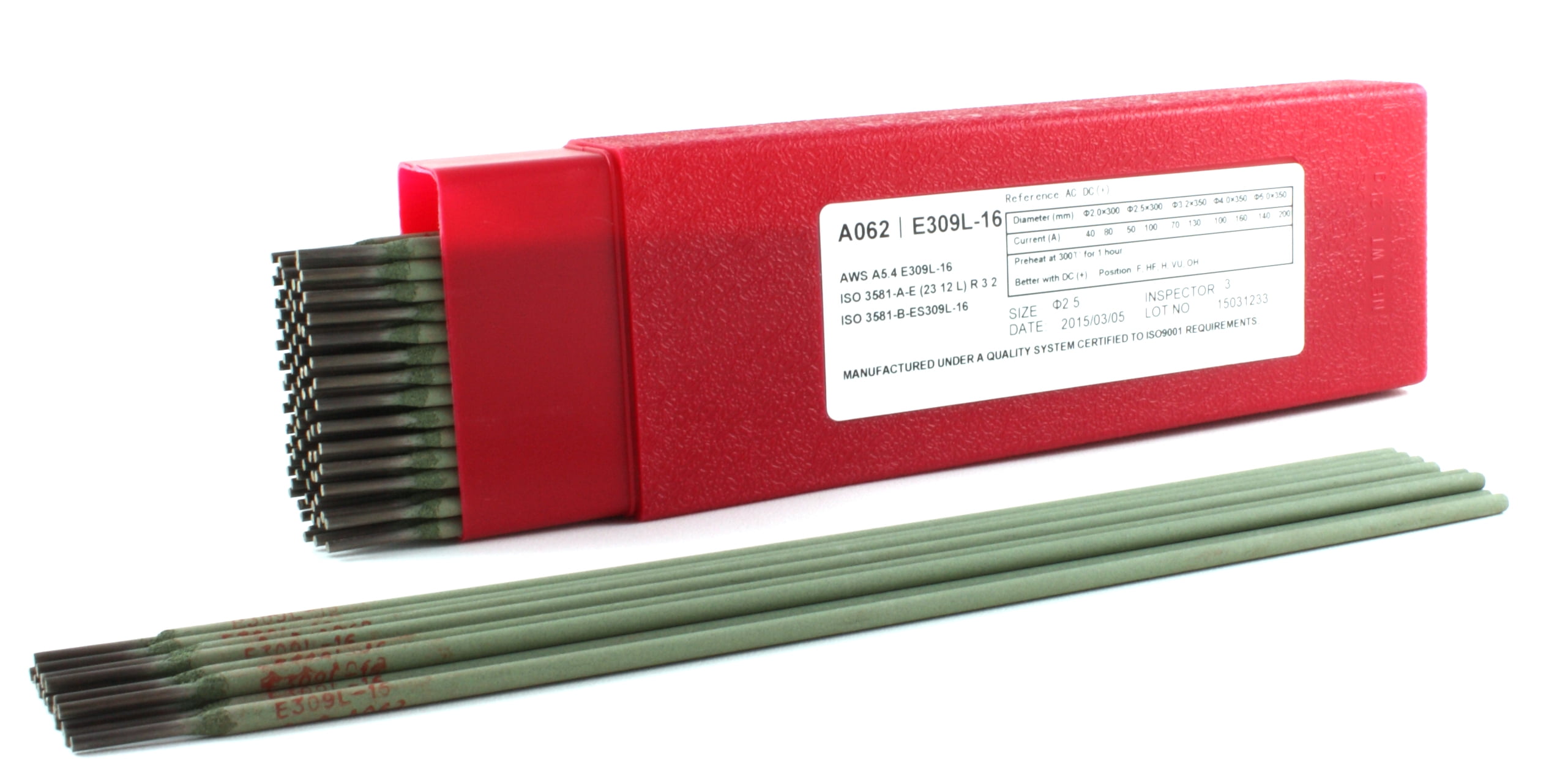
Alright folks, gather 'round! Let's talk about something super exciting: joining stainless steel to carbon steel with... welding rods!
Yes, you heard right! We're not talking about rocket science here, though the results can sometimes feel like you've built a miniature spaceship in your garage.
The Unlikely Couple: Stainless Steel and Carbon Steel
Think of stainless steel as the cool, sophisticated type – all sleek and resistant to rust. Carbon steel? More like the reliable, hardworking buddy, strong but a bit prone to, let's say, "personality" (aka rust).
Must Read
Putting them together can be tricky. It's like trying to get your cat to befriend the vacuum cleaner. But fear not! There's a solution, and it comes in the form of... welding rods!
Why Can't We Just Use Any Old Rod?
Imagine using the wrong glue to stick your favorite mug back together. Disaster, right? Same deal here.
Regular carbon steel welding rods? They'll work... for about five minutes. Then, you'll have a brittle, crack-prone mess. Not ideal unless you're intentionally trying to create modern art from broken metal.
And stainless steel rods? Too expensive! Using a full stainless rod is like using a gold-plated hammer to hang a picture - extravagant overkill.
Enter the Hero: Stainless Steel to Carbon Steel Welding Rods!
These rods are specially designed to bridge the gap between these two metals. Think of them as the marriage counselor of the welding world.

They contain a special blend of alloys that allows them to bond effectively with both stainless and carbon steel, creating a strong, durable, and (dare I say?) beautiful weld.
We're talking about serious bonding here, folks! A weld so strong, it could probably hold a small car... hypothetically, of course. Please don't try this at home!
Choosing the Right Rod: It's All About the Numbers
Okay, things are about to get slightly technical, but I promise to keep it painless! Welding rods are like superheroes – they all have code names. In this case, it's usually a set of numbers, something like E309 or E312.
These numbers tell you what the rod is made of and what it's best used for. For joining stainless to carbon steel, the E309 series is a popular choice. It's like the Swiss Army knife of welding rods – versatile and reliable.
E312 is the stronger sibling. It has an even higher alloy content and greater tensile strength. Use this rod when you need a super strong and ductile weld joint. A great option where the weld may be exposed to stress and or vibration.
Don't be intimidated by the numbers! Just remember that you need a rod specifically designed for joining dissimilar metals, and that the E309 and E312 series are your friends.

Welding Techniques: A Few Tips for Success
So, you've got your fancy new welding rods. Now what? Time to weld! But hold your horses, partner. A few tips can make all the difference between a masterpiece and a molten blob of disappointment.
First, clean, clean, clean! Make sure both surfaces are free of rust, grease, and any other contaminants. A clean surface is a happy surface, and a happy surface makes for a strong weld.
Next, consider the heat. Stainless steel doesn't like too much heat. It's a bit of a diva like that. Keep the amperage relatively low and use a weave technique to distribute the heat evenly.
Weaving involves moving the electrode in a back-and-forth or zig-zag pattern. It helps to prevent overheating and distortion, especially in thin materials. Think of it as giving the metal a gentle massage instead of a harsh burn.
Post-Weld Considerations: The Aftercare
So you’ve finished welding. The weld is complete and looks amazing. Don’t forget to let it cool down gently. Quenching it with water? Big no-no! It can cause stress and cracking.
Once it's cooled, inspect the weld. Look for any signs of cracks, porosity (tiny holes), or incomplete fusion. If you see anything suspicious, grind it out and reweld it.

If the weld joint is going to be used in a corrosive environment, consider applying a protective coating. This will help to prevent corrosion and prolong the life of the weld.
Practical Applications: Where This Stuff Comes in Handy
Okay, enough with the theory! Let's talk about real-world applications. Where does this stainless-to-carbon-steel welding magic come in handy?
Well, think about anything involving food processing equipment. Stainless steel is great for hygiene, but carbon steel might be needed for structural support. Bam! Welding time!
Or how about automotive exhaust systems? You might have stainless steel components for corrosion resistance and carbon steel for its strength and ease of fabrication. Another perfect application!
Let's not forget the artistic possibilities! Imagine creating sculptures that blend the beauty of stainless steel with the raw strength of carbon steel. The possibilities are endless!
"Welding is not just a job, it's an art form!" - Some wise welder, probably.
Safety First! Because Nobody Likes a Trip to the ER
Before you fire up that welding machine, let's talk about safety. Welding is fun, but it can also be dangerous if you're not careful.

First, wear proper protective gear. A welding helmet, gloves, and a fire-resistant jacket are essential. Think of it as your superhero costume – it protects you from the bad guys (sparks, UV radiation, and molten metal).
Second, work in a well-ventilated area. Welding fumes can be harmful, so make sure you have plenty of fresh air circulating. A respirator is a good idea, especially if you're welding in a confined space.
Third, be aware of your surroundings. Make sure there are no flammable materials nearby, and keep a fire extinguisher handy just in case. Remember, safety first, welding second!
In Conclusion: Go Forth and Weld!
So there you have it! Welding stainless steel to carbon steel isn't rocket science, but it does require a bit of knowledge and skill. With the right welding rods, the proper techniques, and a healthy dose of caution, you can create strong, durable, and beautiful welds.
So, go forth and weld! Build something amazing, create something beautiful, and most importantly, have fun! The world needs more welders, and maybe, just maybe, you're the next Welding Rockstar!
Now, go forth and conquer that metal! Happy welding!