
Stainless Steel Sheet Metal Thickness Chart
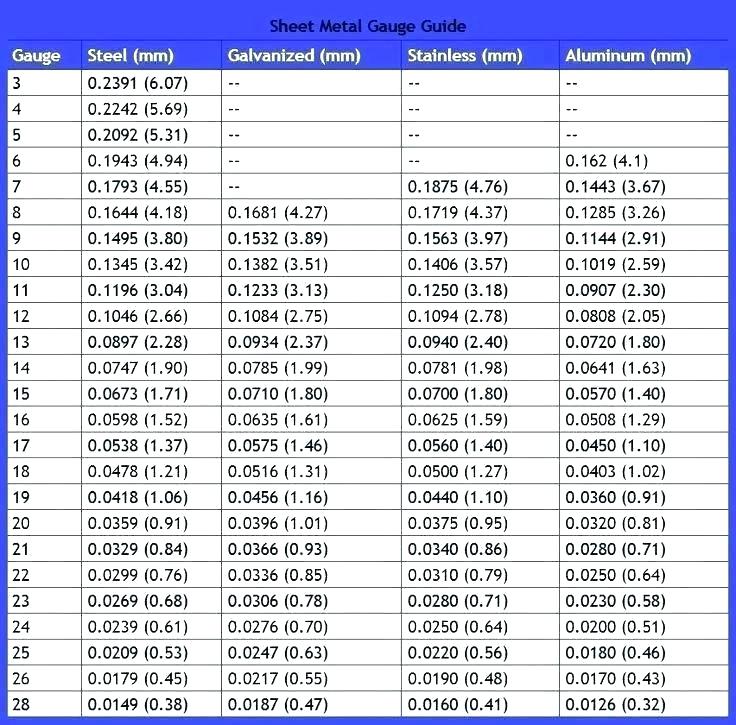
Okay, let's talk stainless steel. Shiny, durable, and surprisingly… confusing? Especially when you start diving into sheet metal. It's everywhere! Kitchen sinks, buildings, even your fancy reusable water bottle probably has some stainless steel bits. But have you ever thought about how thick it is?
That's where the legendary – and sometimes baffling – stainless steel sheet metal thickness chart comes in. Think of it as the secret decoder ring for… well, metal thickness. But it's not as straightforward as you might hope.
Gauge This, Not That
The biggest head-scratcher? The "gauge" system. We’re used to inches or millimeters, right? Nice, logical units. Gauge? Not so much. A higher gauge number actually means thinner metal. Yes, you read that right. It's like they invented it specifically to mess with our brains.
Must Read
So, 22 gauge stainless steel is thinner than 16 gauge. Got it? Great! Now, try explaining that to someone who just wants to build a birdhouse. Good luck!
And here’s my unpopular opinion: The gauge system is a relic from a bygone era. It needs a serious update. Can't we just agree to use millimeters? Please? For the sake of sanity everywhere?
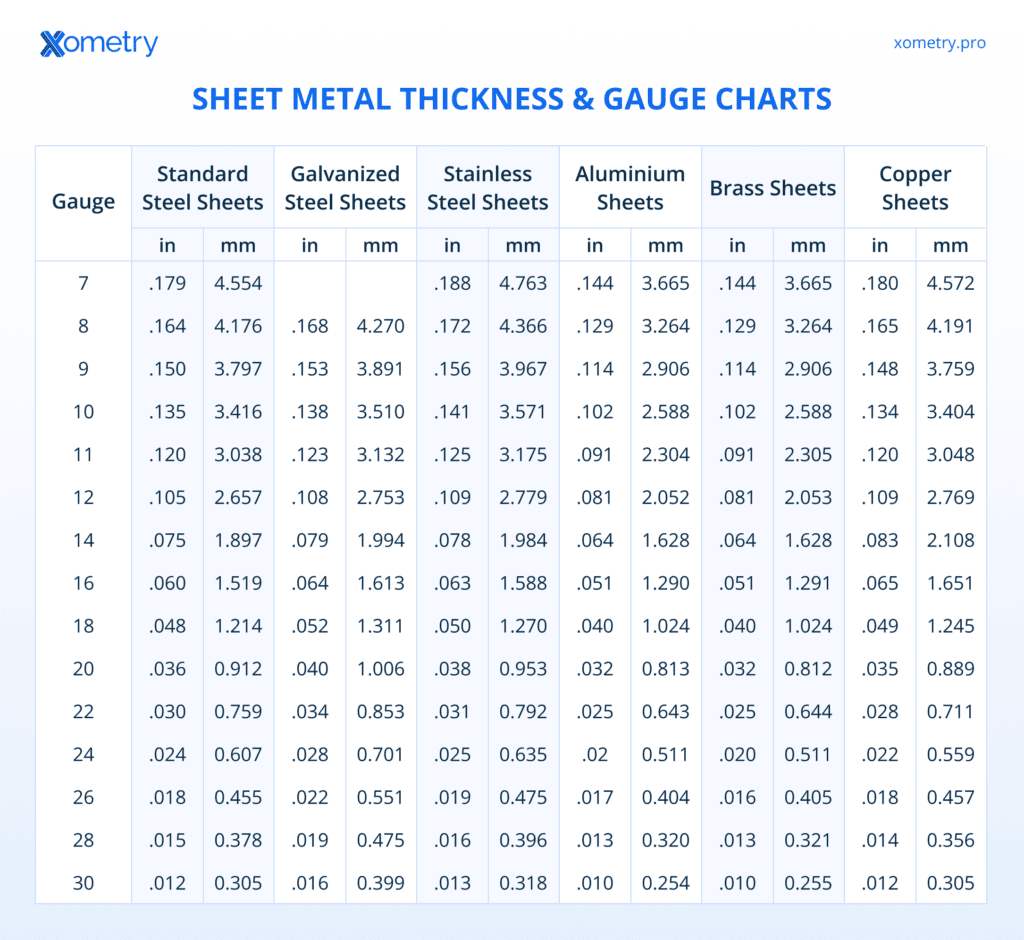
Imagine walking into a lumber yard and asking for "a five-eighths sheet" instead of saying "5/8 inch". It would be utter chaos!
Chart-Topping Confusion
Then there's the chart itself. You find a stainless steel sheet metal thickness chart online, and it’s all numbers and decimals. Different gauges listed, along with their corresponding thicknesses in inches and millimeters. Seems simple enough… until you realize there are slight variations between charts! Why? Because apparently, even defining the exact thickness for a specific gauge isn't set in stone.

One chart might say 16 gauge is 0.0625 inches. Another might say it’s 0.063. Okay, it's not a huge difference, but if you're working on a precision project, those tiny variations can matter.
"It's like trying to agree on the color of the sky," said a bewildered metalworker I once interviewed. "Everyone sees it a little differently."
And let's not even get started on the different grades of stainless steel. 304, 316, 430… they all have slightly different properties, and sometimes those properties can subtly affect the ideal thickness for a particular application.

So, What's a Person to Do?
Okay, so the stainless steel sheet metal thickness chart can be a bit of a headache. Does this mean you should just throw your hands up in despair and abandon your DIY dreams? Absolutely not!
First, find a reputable chart and stick with it. Don't go hopping around between different sources. Second, if precision is critical, measure the actual thickness of the sheet metal you're working with using a caliper. Don't just rely on the chart. Measure twice, cut once, as they say!
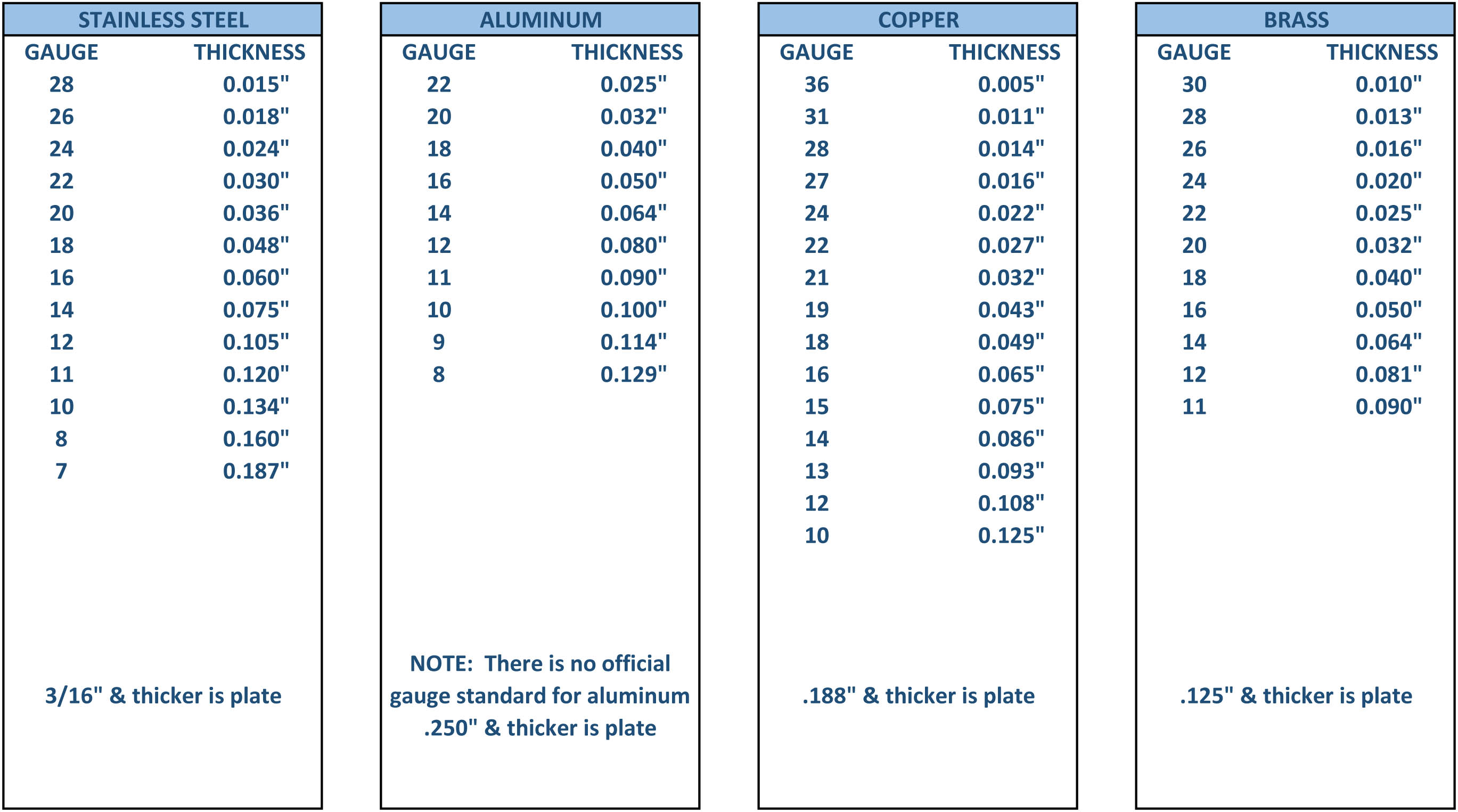
And finally, don't be afraid to ask for help. Talk to a metal supplier or experienced fabricator. They can guide you through the confusing world of gauges, thicknesses, and grades of stainless steel.
The stainless steel world is vast and complicated but also incredibly interesting. Just remember to take the stainless steel sheet metal thickness chart with a grain of salt, and maybe a good dose of humor. And never be afraid to question the gauge system. It's begging for it!
After all, isn't life too short to spend hours debating the precise thickness of a piece of metal?