
Stainless Steel Sheet Metal Gauge Thickness
Okay, so picture this: I'm at a friend's place, helping him set up his new, super-sleek, stainless steel kitchen backsplash. He got it online, all excited about the "industrial chic" vibe. Turns out, after wrestling with it for an hour, it felt like it was made of, well, tin foil. We could practically bend it with our bare hands! That's when I learned a harsh lesson about the importance of... drumroll please... stainless steel sheet metal gauge thickness!
Seriously, who knew there was so much to consider beyond just shiny metal? You probably didn’t either, right? Don’t worry, you’re not alone. Let's dive into this fascinating world of gauges and thicknesses, because, trust me, it matters. And it can save you from making the same "tin foil backsplash" mistake.
What Exactly is Gauge, Anyway?
Simply put, gauge refers to the thickness of the stainless steel sheet. But here's the tricky part: it's inversely proportional. I know, right? Counterintuitive. Basically, a higher gauge number means a thinner sheet. Think of it like golf – the lower the score, the better! (Except in this case, "better" depends on what you're trying to do.)
Must Read
For example, 22 gauge stainless steel is thinner than 16 gauge stainless steel. Make sense? Good. Because things are about to get slightly more… specific.
Why Does Gauge Matter?
Okay, this is the crucial question. Gauge impacts a whole bunch of things, including:

- Strength and Durability: Thicker sheets (lower gauge) are, unsurprisingly, stronger and more resistant to dents, bends, and general wear and tear. If you're building something that needs to withstand some abuse – say, a work surface in a busy kitchen – you'll want a lower gauge.
- Cost: The thicker the sheet, the more material is used, and therefore, the higher the price. Makes sense, right? Choosing the right gauge for the job can help you save money without sacrificing quality. Nobody wants to overpay, but nobody wants a wobbly project either!
- Workability: Thinner sheets (higher gauge) are easier to cut, bend, and form. If you're doing a lot of intricate work or need to create complex shapes, a higher gauge might be the way to go.
- Weight: A thicker sheet is obviously heavier. Think about the application. Is weight a factor?
Consider these factors before settling on your purchase. Because, unlike my friend, you don’t want to install a backsplash that feels like it belongs on a Christmas tree ornament.
Common Stainless Steel Gauges and Their Uses
Let's get practical. Here are some common gauge ranges and their typical applications:
- 22-26 Gauge (Thin): Used for decorative trim, backsplashes (but maybe not the entire backsplash!), appliance panels, and other non-structural applications. Think of it as the lightweight champion of the stainless steel world.
- 16-20 Gauge (Medium): A good all-around choice for countertops, sinks, restaurant equipment, and general fabrication. This is the workhorse gauge, offering a good balance of strength, workability, and cost.
- 10-14 Gauge (Thick): Used for heavy-duty applications like industrial equipment, structural components, and anything that needs to withstand serious stress. This is the "bring on the apocalypse" gauge.
- 7 Gauge and Thicker (Very Thick): Typically used for specialized applications that require extreme strength and durability. Think bridges, buildings, and maybe your own personal tank.
Remember, these are just general guidelines. The best gauge for your project will depend on the specific requirements and the loads it will need to bear.
Converting Gauge to Actual Thickness
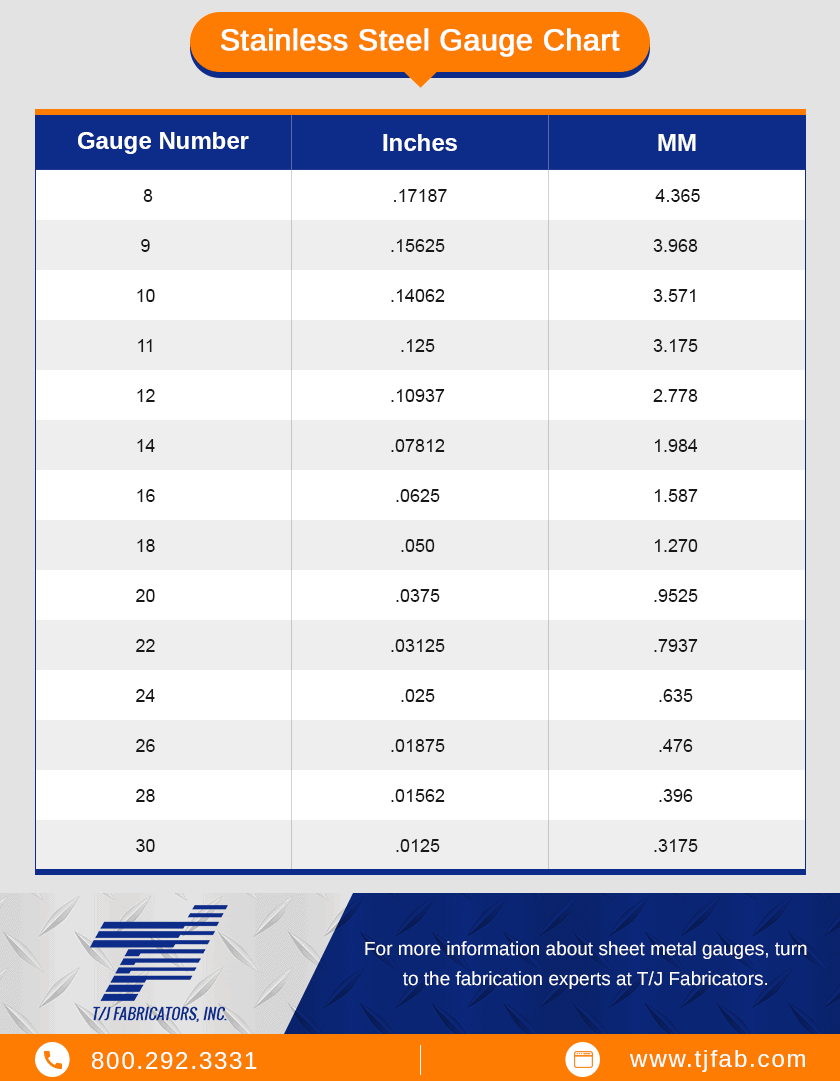
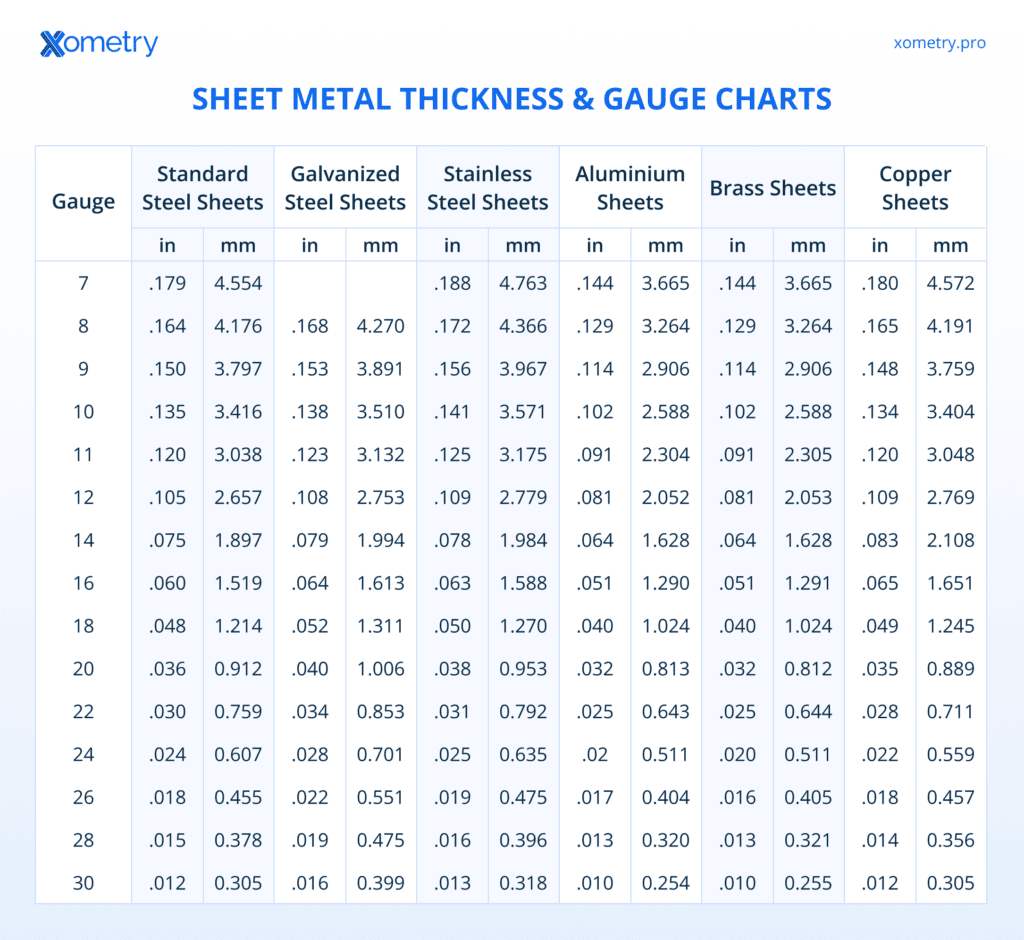
So you know you want 16 gauge steel… but what does that actually mean in terms of inches or millimeters? Good question! Unfortunately, there's no one-size-fits-all conversion chart, and the thickness can vary slightly depending on the manufacturer and the specific type of stainless steel. But, you can easily find reliable conversion charts online. Just search for "stainless steel gauge to thickness chart." (And be sure to double-check the source to make sure it's reputable! The internet isn't always your friend.)

Final Thoughts
Choosing the right stainless steel sheet metal gauge thickness is crucial for a successful project. Take the time to understand the different gauges and their applications, and you'll be well on your way to creating something that's not only beautiful but also strong, durable, and fit for purpose. And hey, maybe you'll even save yourself (and your friends) a whole lot of frustration in the process. Trust me, your back will thank you.
Now go forth and conquer the world of stainless steel! Just remember to measure twice, cut once... and maybe invest in a good pair of work gloves.
