Stainless Steel Reaction With Galvanized Steel
Think about the last time you saw a shiny, modern kitchen. Or maybe you admired a sturdy railing on a public walkway. What materials make these things durable and attractive? Chances are, stainless steel and galvanized steel played a part. These metals are workhorses of modern construction and manufacturing, contributing to everything from our food preparation to our infrastructure. But here's a little secret: they don't always play well together! Understanding their interactions is key to avoiding costly problems down the line.
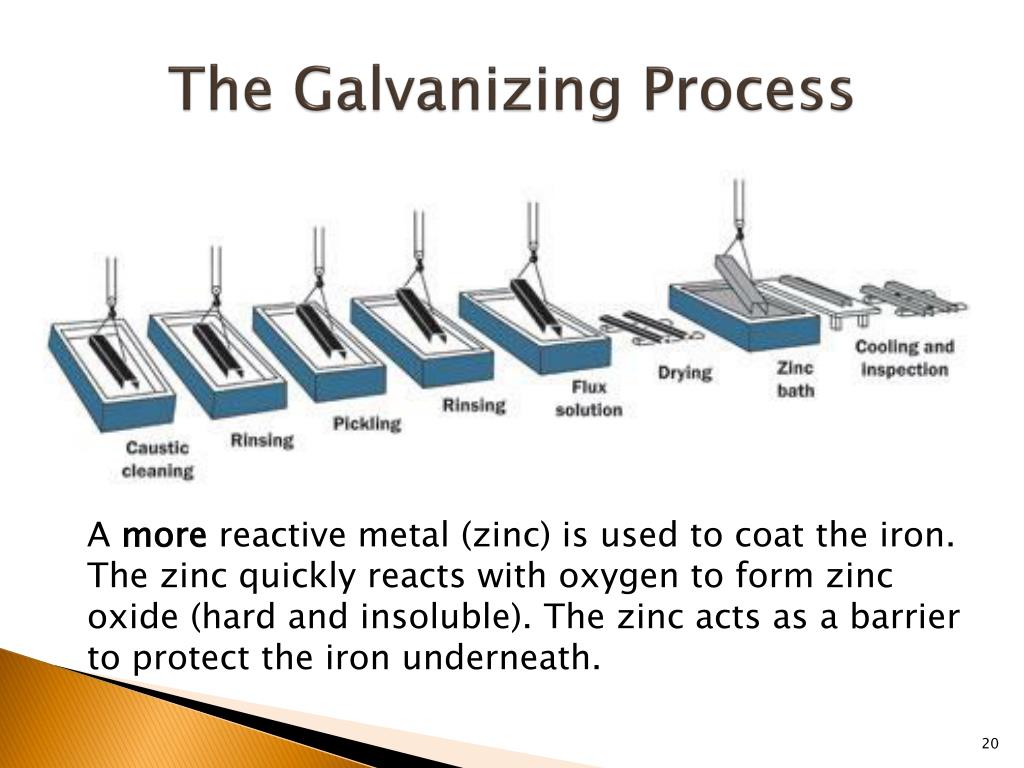
So, why are these metals so important? Stainless steel is prized for its corrosion resistance. That's because it contains chromium, which forms a passive layer of chromium oxide on the surface, protecting the underlying steel from rusting. This makes it perfect for applications where hygiene and longevity are crucial, like kitchen appliances, surgical instruments, and food processing equipment. Galvanized steel, on the other hand, is carbon steel coated with zinc. The zinc acts as a sacrificial anode, meaning it corrodes before the steel, preventing rust. This is common in outdoor applications like fences, guardrails, and roofing.
We encounter these materials every single day. Look around! Your refrigerator is likely stainless steel. The streetlights outside probably have galvanized steel supports. The pipes in your plumbing system might be galvanized (though this is becoming less common due to concerns about lead in older galvanization processes). Bridges often use galvanized steel for reinforcement, and stainless steel components might be used in architectural features for aesthetic appeal and resistance to weathering.
Must Read
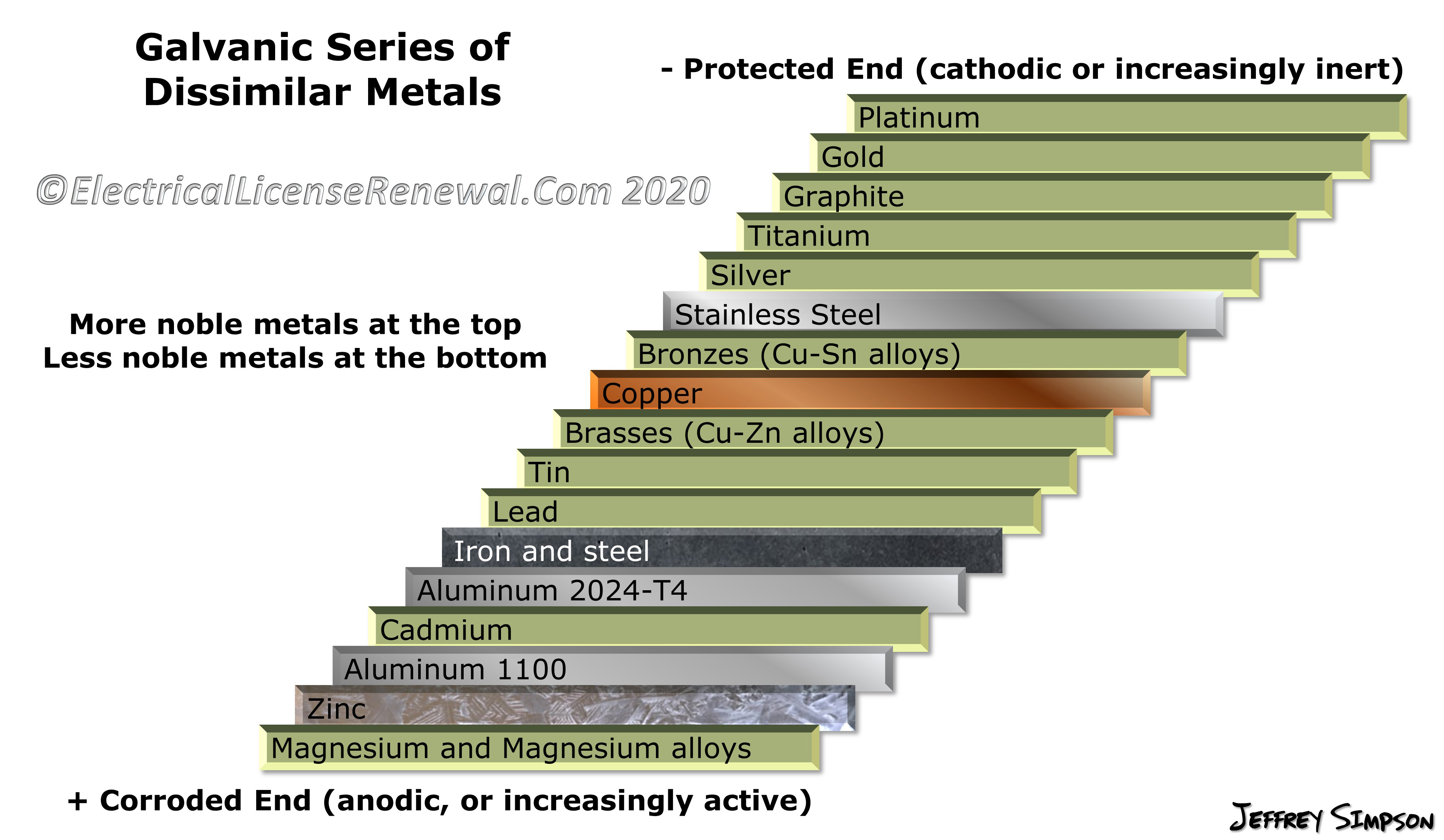
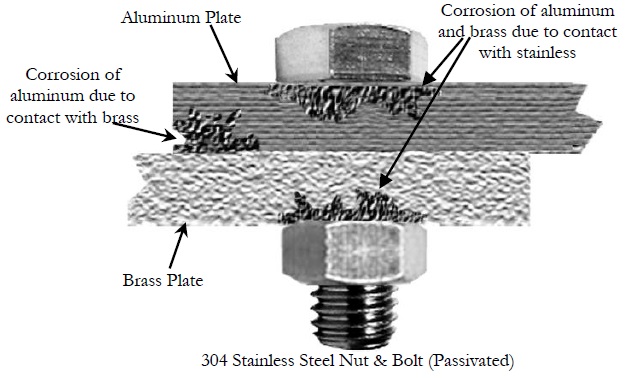
The problem arises when these two materials are directly connected in the presence of an electrolyte, like water (especially saltwater) or even damp soil. This creates a galvanic couple, a mini-battery where one metal corrodes faster than it normally would. In this case, the galvanized steel becomes the anode and corrodes more rapidly to protect the stainless steel, which acts as the cathode. Think of it as the galvanized steel sacrificing itself for the stainless steel's benefit – not exactly a sustainable relationship!

So, how can you avoid this metallic mismatch? Here are some practical tips:
- Avoid Direct Contact: The simplest solution is to physically separate the two metals with a non-conductive material. Use rubber washers, plastic spacers, or insulating tape to prevent direct electrical contact.
- Use Compatible Fasteners: If you must join them, use stainless steel fasteners with an insulating sleeve. This isolates the fastener from the galvanized steel.
- Coatings and Sealants: Apply a protective coating or sealant to the galvanized steel to create a barrier against moisture and electrolytes. This slows down the corrosion process.
- Consider Alternatives: In some cases, it might be more practical to use a different material altogether. For example, aluminum could be a suitable alternative to galvanized steel in certain applications.
- Regular Inspection: If you suspect a galvanic reaction is occurring, regularly inspect the connection points for signs of corrosion. Early detection can prevent significant damage.
By understanding the potential for galvanic corrosion and taking preventive measures, you can ensure the longevity and performance of your structures and projects, saving you time, money, and a whole lot of frustration in the long run. So, the next time you see stainless steel and galvanized steel working side-by-side, remember this: a little knowledge can go a long way in keeping these materials happy and productive!