Ever Wondered What Makes Stainless Steel So Super?
Hey there, ever noticed how some things just refuse to rust? We’re talking about those sleek kitchen sinks, that trusty frying pan, your shiny cutlery, or even the side of a modern skyscraper that seems to defy the elements. They gleam, they endure, and they never seem to get those ugly, orangey-brown rust spots. What’s their secret? Is it magic? A tiny, invisible force field? Well, prepare to have your socks charmed right off, because we’re diving into the delightful, surprisingly simple recipe for stainless steel!
It’s not some mythical metal mined from a dragon’s lair, but rather a brilliant concoction of everyday elements, expertly mixed to create a super-material that’s truly out of this world (but still very much on it!). So, let’s pull back the curtain and meet the star-studded cast!
The Beefy Backbone: Iron
First up, we have the undisputed heavyweight champion, the solid foundation upon which everything else is built: plain old iron. Think of iron as the sturdy skeleton, the main bulk of our stainless steel hero. It provides the strength, the weight, and the overall "metally-ness" you expect. But here's the kicker: iron, by itself, is a bit of a drama queen when it comes to moisture. It loves to rust! So, how do we get from rust-prone iron to rust-defying stainless steel? Enter our next magnificent player...
Drumroll, please! The true hero, the shining star, the undeniable MVP of the stainless steel world is a fantastic element called Chromium! This isn't just a dash; it's the absolute game-changer. For steel to officially earn its "stainless" badge, it needs at least 10.5% Chromium. And oh, what a difference that 10.5% makes!
Imagine Chromium as stainless steel’s personal, invisible superhero cape. The moment Chromium gets a whiff of oxygen (yes, even in the air!), it rushes to the surface and forms an ultra-thin, incredibly tough, and self-healing protective layer. This layer is called chromium oxide, and it acts like an impenetrable shield, preventing moisture and rust-causing elements from ever reaching the iron beneath. It’s like magic, but better, because it’s science!
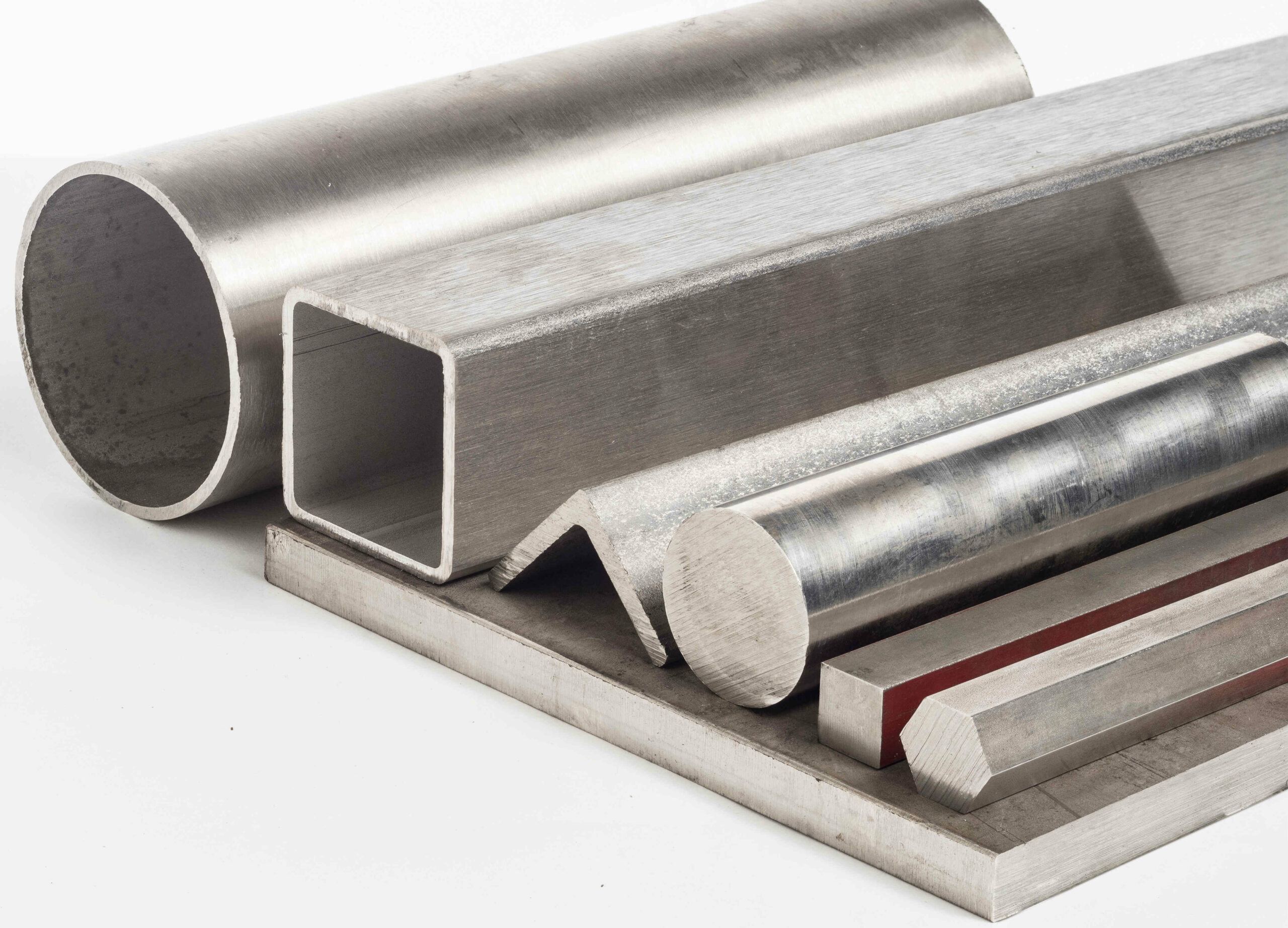
How Is Stainless Steel Made? - Metal Supermarkets
If that invisible shield ever gets scratched, Chromium is right there, ready to instantly form a new one, repairing the damage like a tiny, metallic first responder. That’s why stainless steel is so unbelievably resilient!
The Glamorous Graces & Tough Tendencies: Nickel and Friends
While iron gives the muscle and Chromium provides the anti-rust superpowers, there’s often a fantastic supporting cast that adds even more pizzazz and practicality. The most common of these is Nickel.
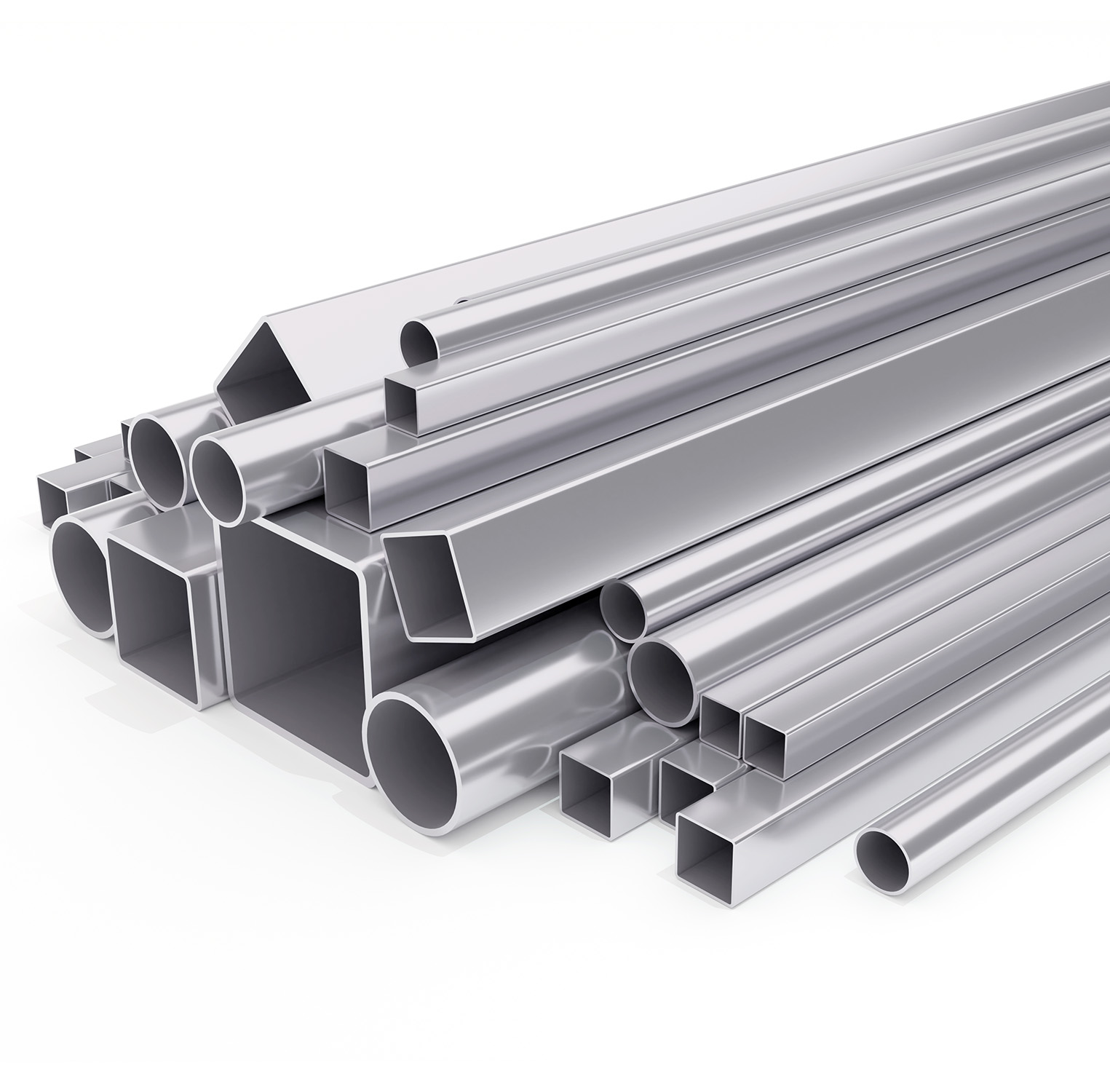
Stainless Steel Tubing: Types, Applications, Benefits, And, 40% OFF
Nickel is like the charismatic friend who makes everything smoother and shinier. It makes stainless steel even more corrosion-resistant, incredibly ductile (meaning it can be stretched and shaped without breaking!), and gives it that extra lustrous sheen we all adore. It’s what often makes higher-quality stainless steel so incredibly beautiful and workable.
Sometimes, other elements join the party too! You might find a sprinkle of Molybdenum to boost corrosion resistance even further, especially against harsh chemicals or salty environments (think marine applications!). Or perhaps a touch of Titanium or Niobium for extra strength at high temperatures. It's all about tailoring the "recipe" for the perfect performance!
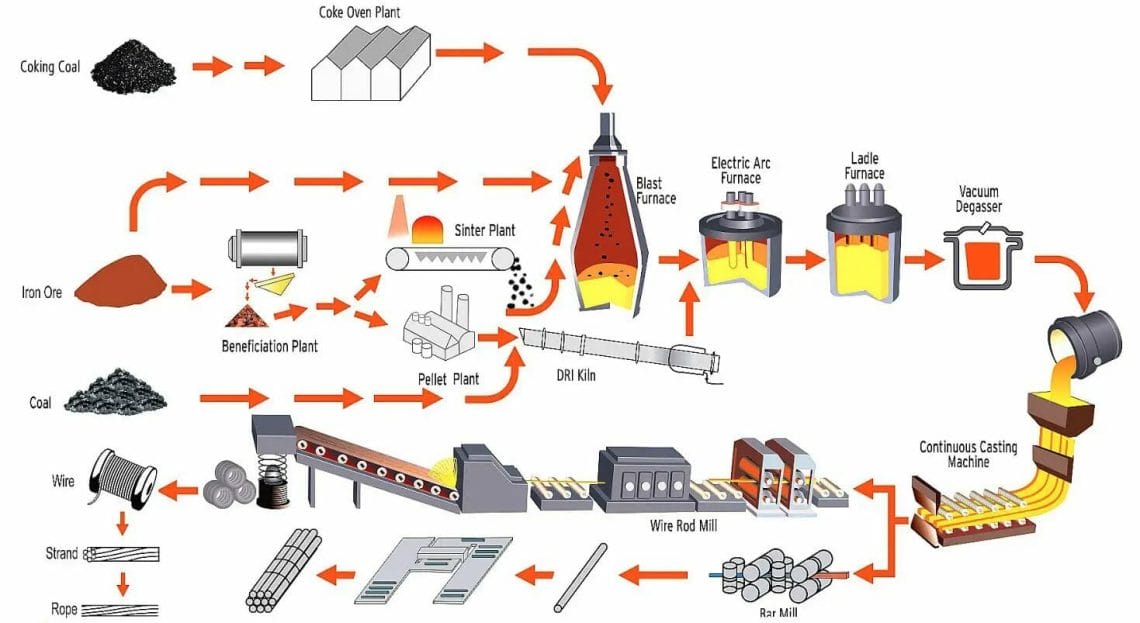
How Stainless Steel is Made | Art of Creating Durable Metal
The Grand Finale: A Symphony of Elements!
So, there you have it! Stainless steel isn't a single, mysterious metal, but rather a brilliant alloy – a masterful blend of humble elements working in perfect harmony. It's mostly strong, sturdy iron, empowered and protected by its superhero sidekick, Chromium, often polished and perfected by the smooth influence of Nickel, and sometimes enhanced by a few other special guests.
Next time you marvel at a gleaming kitchen appliance or admire a shiny piece of art that refuses to surrender to rust, give a little nod to this incredible team of elements. It’s a testament to human ingenuity and the amazing properties hidden within the periodic table!
Isn't that just absolutely fascinating? Who knew something so common could have such a cool story?