Stainless Steel And Aluminum Galvanic Action
Ever notice how some metals, when left to their own devices, start acting like squabbling siblings? One's all shiny and proud, while the other's looking a bit… worse for wear? That, my friends, can be the result of something called Galvanic Action, and when stainless steel and aluminum get involved, things can get a little quirky.
Think of it like this: you've got two kids, let's call them Stan (stainless steel) and Al (aluminum). Stan's the popular, well-adjusted one – doesn't need much attention, happy to just exist. Al, on the other hand, is a bit more… needy. He craves interaction, he wants to be part of the action, and he's more likely to throw a tantrum (corrode) if he doesn't get his way.
Now, put Stan and Al in a playground (a damp environment, let's say, like rainwater on your patio furniture), and what happens? Al, being the more active one, starts giving up little bits of himself to Stan. It's like Al's offering Stan his toys, one by one. He's trying to make Stan happy, but in the process, Al's toys (his structural integrity) start to disappear. That’s the essence of galvanic action.
Must Read
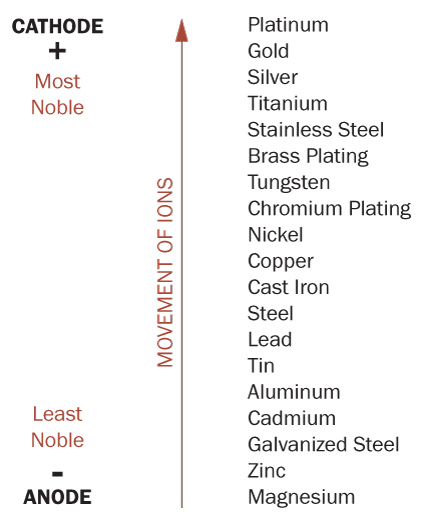
The science-y explanation (promise, it's brief!) is that different metals have different "electrical potentials." One metal is more likely to give up electrons (like Al), while the other is more likely to receive them (like Stan). When they're in contact in a conductive environment (like water), the giving-up metal (the anode, or our Al) corrodes, while the receiving metal (the cathode, or our Stan) is relatively protected. It's metal-on-metal betrayal, fueled by tiny electrical currents!
The Kitchen Sink Drama
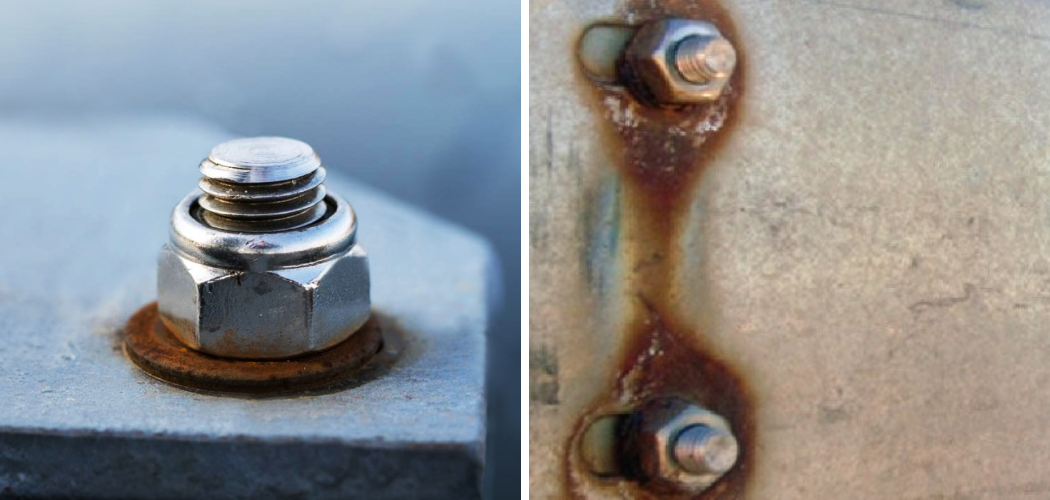
This drama plays out in surprising places. Ever seen a stainless steel screw used to hold an aluminum panel in place, only to find the aluminum around the screw is starting to look pitted and crumbly? That's our dynamic duo in action. The aluminum is sacrificing itself for the stainless steel screw.
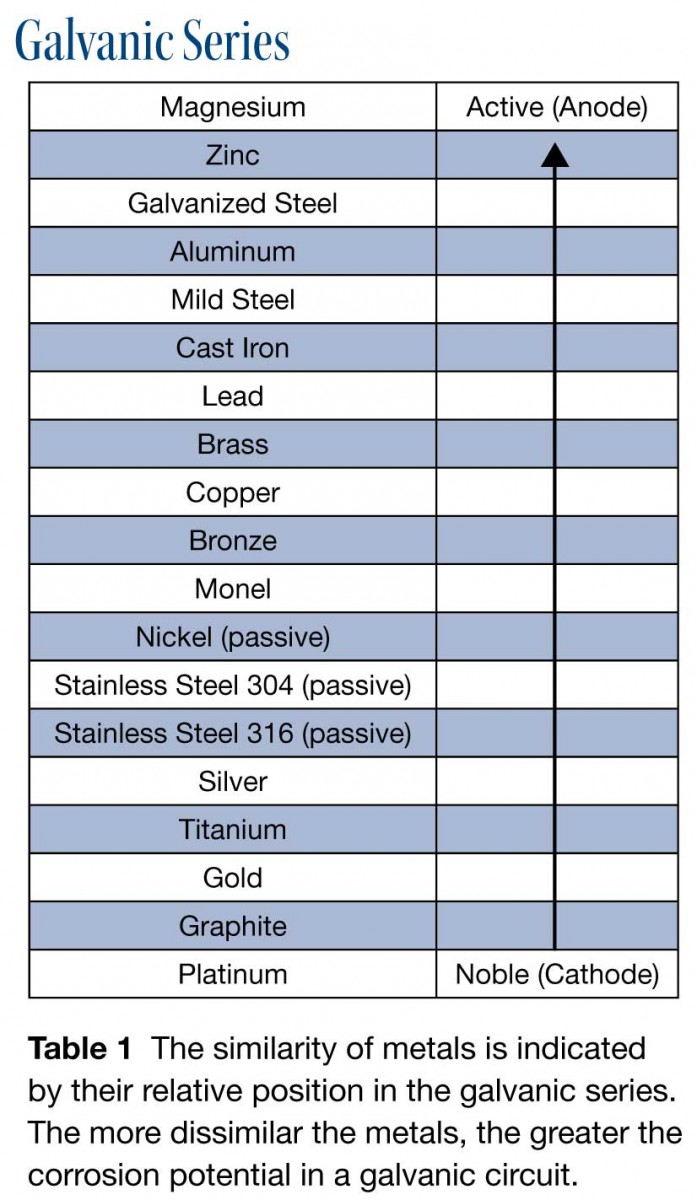
But here's where it gets interesting. Stainless steel isn't always the bully. Some types of stainless steel are more "noble" (less reactive) than others. And the specific environment makes a big difference. Saltwater, for example, is a super-conductor, turning up the volume on the galvanic action drama to eleven!
One real-world example that often raises eyebrows is in the world of boats. Many boat hulls are made of aluminum because it's lightweight and strong. Stainless steel fittings, like railings and bolts, are also common. But if these two metals are in direct contact below the waterline, where they're constantly exposed to saltwater, you’re practically writing a corrosion screenplay. The aluminum hull starts to dissolve around the stainless steel fittings, potentially leading to some expensive and soggy consequences.
Love Can Bloom on the Metal Battlefield
Okay, so it sounds like these two metals are mortal enemies, right? Not necessarily! There are ways to manage this metallic melodrama and even make them play nice.
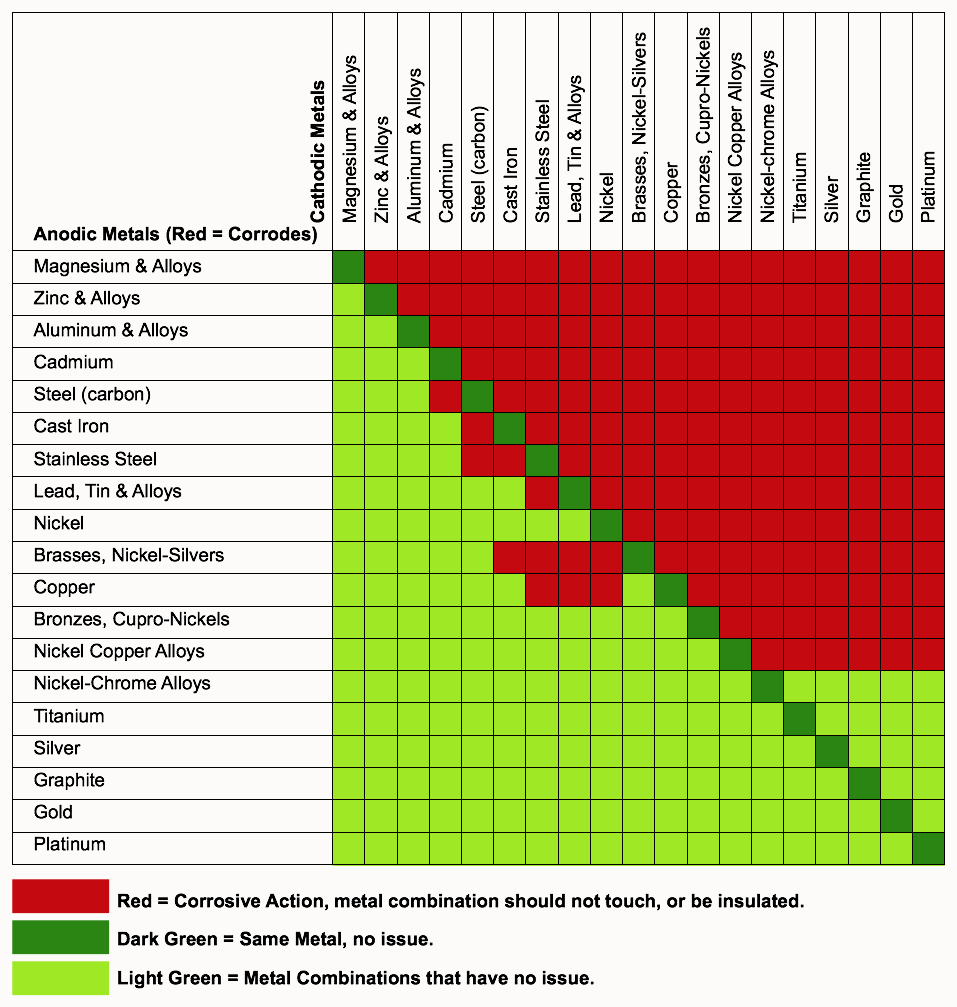
One solution is to use an "insulator." Think of it as a mediator between Stan and Al. A plastic washer or a special coating prevents direct contact between the metals, cutting off the electrical connection and stopping Al from constantly offering Stan his toys.
Another tactic is to use a sacrificial anode. This is a piece of a third, even more reactive metal (like zinc or magnesium) that’s intentionally placed in contact with the aluminum. This metal becomes the ultimate giver, sacrificing itself to protect both the aluminum and the stainless steel. It's like introducing a really generous kid to the playground who's happy to share all his toys with everyone!
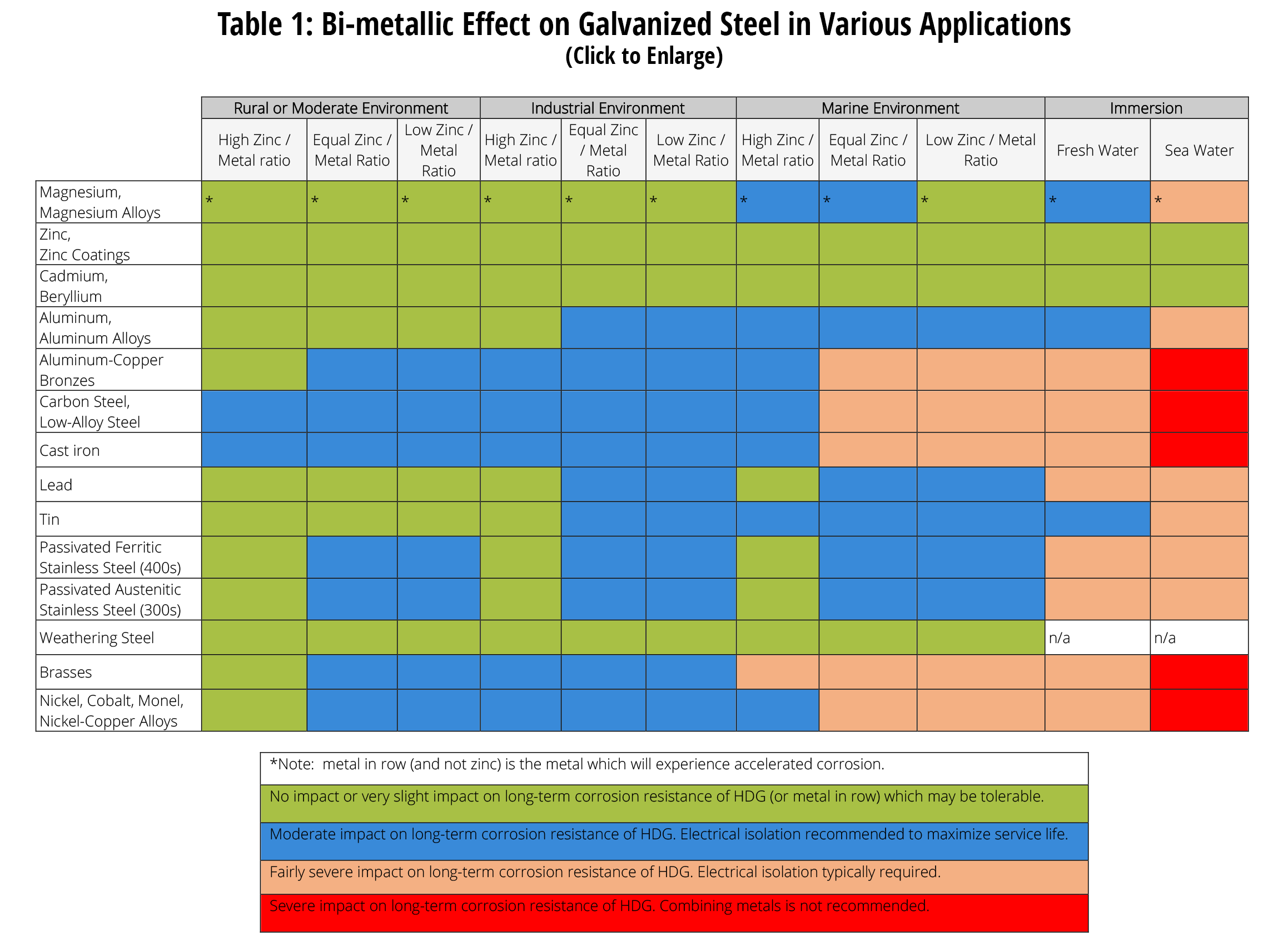
Finally, consider the environment. Keeping things dry goes a long way in preventing galvanic action. If you’re using these metals outdoors, make sure they're well-protected from rain and moisture.
A Metallic Moral of the Story
The story of stainless steel and aluminum, and their little galvanic dance, is a reminder that even seemingly inert materials are constantly interacting with their environment. It shows us that understanding these interactions, even at a basic level, can save us a lot of headaches (and money!) down the line.
So, the next time you see a bit of corrosion forming around a metal fixture, remember Stan and Al, the mismatched metal siblings, and the surprising story of galvanic action. It's a reminder that even in the world of metals, relationships can be complicated, and sometimes, a little intervention is needed to keep the peace.