Stainless Steel 18 10 Vs 18 0
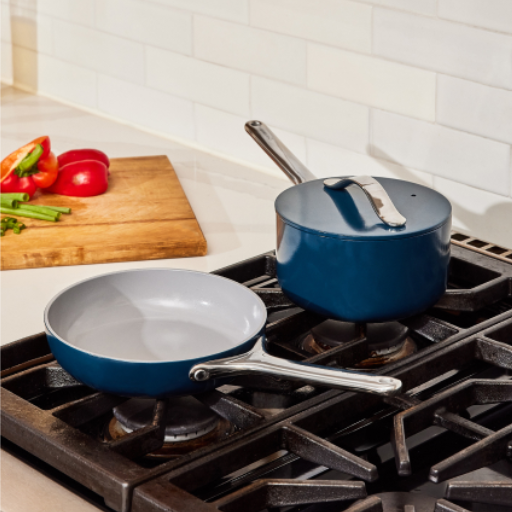
Ever found yourself admiring a gleaming set of cutlery or a shiny, sturdy pot, perhaps while conjuring up a culinary masterpiece or simply enjoying a delicious meal? There’s a quiet satisfaction in using tools and dishes that are not only beautiful but also built to last. We spend so much time in our kitchens and around our dining tables, and the materials we use profoundly impact our experience. This is where the unsung hero of the modern kitchen steps in: stainless steel. It’s the trusty sidekick, the silent workhorse, making our everyday lives smoother, cleaner, and a little more elegant.
Stainless steel is celebrated for its incredible durability, resistance to corrosion, and its hygienic, easy-to-clean surface. It doesn't rust, it doesn't stain easily, and it keeps its shine with minimal fuss. From pots and pans to forks and spoons, it serves a fundamental purpose: to provide reliable, food-safe surfaces that withstand the rigors of daily use. It ensures our food tastes as it should, without metallic aftertastes, and makes cleanup a breeze, giving us more time to savor the moments that truly matter.
But did you know that not all stainless steel is created equal? Tucked away in the fine print or on the underside of your favorite utensils are often two numbers: 18/10 or 18/0. These aren't secret codes for kitchen ninjas, but rather indications of the steel’s composition, specifically the percentages of chromium and nickel. The '18' refers to 18% chromium, which provides the fantastic rust resistance we all love. It's the second number that tells the real tale.
Must Read
Stainless Steel 18/10 is the crème de la crème of kitchenware. The '10' means it contains 10% nickel. Nickel adds a significant boost in corrosion resistance, making it incredibly resilient against acids, salts, and even hard water. It also gives the steel a brighter, more lustrous finish and makes it more resistant to pitting and staining. Think of it as the luxury sedan of stainless steels – smooth, shiny, and exceptionally durable. This type is most commonly found in high-end flatware, premium cookware, and serving dishes, promising a lifetime of gleaming service and making every dining experience feel a bit more special.

On the flip side, we have Stainless Steel 18/0. Here, the '0' indicates that there’s no nickel (or only trace amounts). While it might not have the same super-shine or ultimate stain resistance as 18/10, 18/0 is still a fantastic material for everyday use. It remains highly resistant to rust thanks to its 18% chromium content and is often a more budget-friendly option. What’s more, 18/0 stainless steel is magnetic, which is a crucial detail if you’re cooking with an induction stovetop, as these cooktops require magnetic cookware to work! You'll find 18/0 in many everyday pots, pans, mixing bowls, and more economical flatware sets, proving itself as a reliable workhorse in countless kitchens.
So, how can you enjoy your stainless steel items more effectively? First, know what you have! Check the stamp on your flatware or cookware. If you have 18/10, appreciate its superior quality and longevity; treat it well with gentle cleansers to maintain its brilliant shine. For your 18/0 items, especially if you have an induction cooktop, give it a quick test with a magnet – if it sticks, you’ve got a winner! Understanding these differences allows you to match the right tool to the task, whether it’s investing in heirloom-quality 18/10 flatware or choosing practical, induction-friendly 18/0 pots. By simply being aware, you can make smarter purchases and care for your kitchen essentials, ensuring they continue to serve you brilliantly for years to come.