
Stainless Steel 18 10 Or 18 0
Ever picked up a shiny new fork or a sturdy saucepan and noticed some mysterious numbers etched on the back? We're talking 18/10 or 18/0. Sounds like a secret code, doesn't it? Like something out of a spy movie, but for your kitchen! Well, get ready, because today we're cracking that code wide open, and trust me, it's more fun and practical than you might imagine. This isn't just about steel; it's about making your everyday choices smarter, your kitchen brighter, and your life a little more sparkly!
Unmasking the Numbers: What Do They Even Mean?!
Let's demystify these digits! These numbers aren't just random; they're like a little ingredient list for your stainless steel. They tell you the percentage of two very important elements: chromium and nickel.
The first number, usually 18%, refers to chromium. Think of chromium as your steel's invisible superhero cape. It's what gives stainless steel its "stainless" superpower, creating a protective, passive layer that fights off rust and corrosion. Pretty neat, right?
Must Read
The second number, either 10% or 0%, is all about nickel. Ah, here's where the main difference, and a lot of the magic, happens! Nickel brings its own set of awesome qualities to the table, and understanding its presence (or absence) can totally change how you look at your kitchen tools.
The Shimmering Star: Stainless Steel 18/10
When you hear 18/10, you're usually looking at the crème de la crème of stainless steel for many applications.
What it is: It means 18% chromium and 10% nickel. That 10% nickel is a game-changer!
Why it's great:
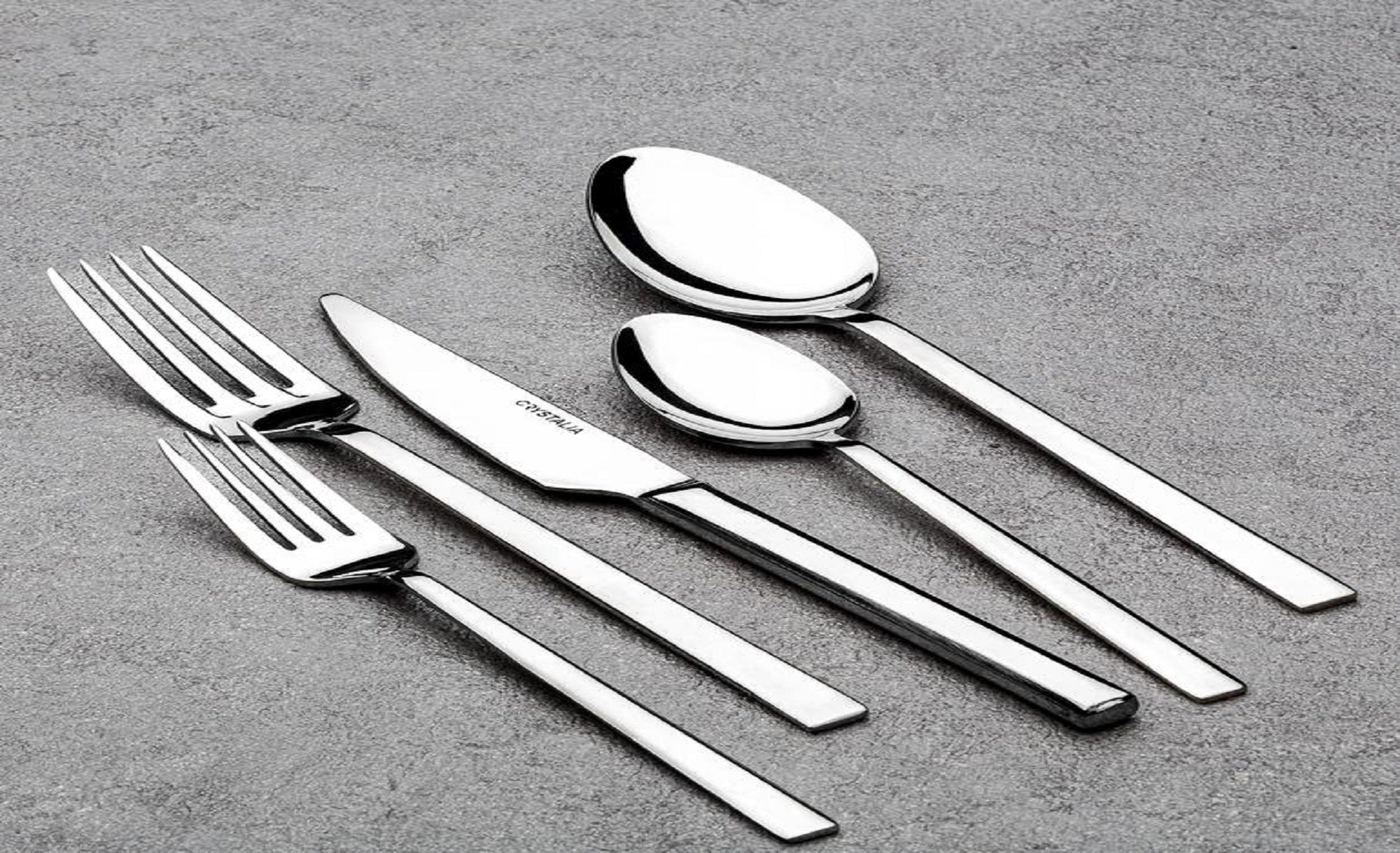
- Brilliant Shine: That nickel content gives 18/10 stainless steel a gorgeous, lustrous sheen. It's like the diamond of flatware, reflecting light beautifully and adding a touch of elegance to any meal. Imagine your dinner table glinting under the lights – that's the 18/10 difference!
- Superior Rust Resistance: The nickel significantly boosts its resistance to acids, salts, and corrosion. This means your prized cutlery is less likely to pit or stain, even after countless dishwasher cycles. Talk about tough!
- Strength & Durability: With that extra nickel, 18/10 is generally more robust and resistant to bending, denting, and scratching. It’s built to last, making it ideal for those heirloom pieces you want to pass down.
Where you'll find it: High-quality flatware sets, premium serving utensils, and some top-tier cookware often boast 18/10. It’s for when you want durability paired with undeniable pizzazz!
The Versatile Workhorse: Stainless Steel 18/0
Now, don't you dare count out 18/0! It's a fantastic, versatile option with its own unique strengths that make it incredibly valuable in the kitchen.
What it is: This means 18% chromium and 0% nickel. Yep, no nickel here!

Why it's great:
- Budget-Friendly Brilliance: Nickel is a more expensive alloy. Without it, 18/0 is typically more affordable, offering excellent performance without breaking the bank. More bang for your buck? Yes, please!
- Still Super Durable: Remember that 18% chromium? It's still there, providing excellent resistance to rust and corrosion. So, while it might not have the same mirror finish as 18/10, it's certainly no pushover in the durability department. It's a reliable trooper!
- Magnetic Magic: Because it lacks nickel, 18/0 stainless steel is magnetic! This is a huge deal if you have an induction cooktop, which requires magnetic cookware to work. Finally, a way to tell if your pan will actually heat up! It also opens up possibilities for magnetic storage solutions.
- Hypoallergenic Hero: For anyone with a nickel allergy (and yes, they're more common than you might think!), 18/0 is a fantastic, worry-free choice. No nickel means no concerns about allergic reactions.
Where you'll find it: Everyday flatware, most cookware, mixing bowls, and many serving spoons are often made from 18/0. It’s the unsung hero that keeps our kitchens running smoothly.
Choosing Your Champion: Which One Is Right For You?
So, how do you decide? It's not about one being universally "better" than the other, but rather about choosing the best tool for the job, for your lifestyle, and for your budget!
For that special occasion flatware, or pieces you want to truly shine and last for generations? Go for 18/10. Invest in the luster, the lasting gleam, and the superior corrosion resistance that will keep your fancy dinners feeling extra special.
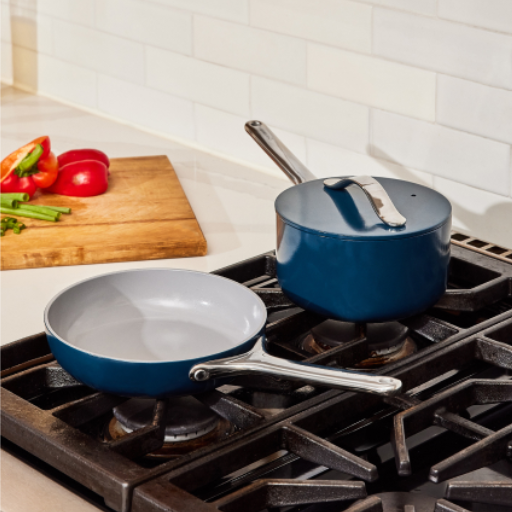
For everyday use, bustling family meals, school lunches, or if you're outfitting a new kitchen on a budget? 18/0 is your reliable, strong, and savvy friend. It’s practical, durable, and won’t make you wince if a spoon accidentally goes missing.
Got an induction cooktop? You'll definitely appreciate 18/0 cookware (or special 18/10 with a magnetic base). No more guessing if your pan will work!
Concerned about nickel allergies? 18/0 is your safe haven, allowing everyone to enjoy their meals without worry.
Think of it this way: 18/10 is your elegant, high-performance sports car, while 18/0 is your reliable, efficient daily driver. Both get you where you need to go, just with different styles and price points!
Why This Matters (And Makes Life More Fun!)
Understanding these little numbers isn't just random trivia for your next dinner party (though it could be!). It's about being an empowered consumer.
No more guessing games when you're shopping! You can now confidently choose the right stainless steel for your specific needs, potentially saving money, preventing rust, and ultimately enjoying your kitchen tools so much more. It's the satisfaction of making an informed decision. Knowing your stuff just feels good, doesn't it?
Plus, it makes you look at your kitchenware with new eyes, appreciating the subtle science and thoughtful craftsmanship behind everyday objects. Who knew a humble spoon or a simple pot could tell such an interesting story? It adds a layer of appreciation to the things we use constantly.
So, the next time you pick up a fork or a pan, take a peek. 18/10 or 18/0? You're no longer just holding a piece of metal; you're holding a piece of carefully engineered material, chosen specifically for its purpose. Isn't that amazing? This small bit of knowledge can truly brighten your day and your kitchen. So go forth, explore, and let your curiosity lead you to discover more about the fascinating world hidden in plain sight! Your kitchen, and your life, will be all the richer for it.