Sources Of Renewable And Nonrenewable Energy
Hey there, energy enthusiasts! Ever stop to think about where the juice that powers our lives really comes from? We're not just talking about the wall socket, but the actual sources that keep the lights on, the Netflix streaming, and the TikTok scrolling going strong. Let’s dive into the fascinating world of renewable and non-renewable energy, breaking it down in a way that's easier than remembering your ex's birthday.
Non-Renewable Energy: The Classics (With a Caveat)
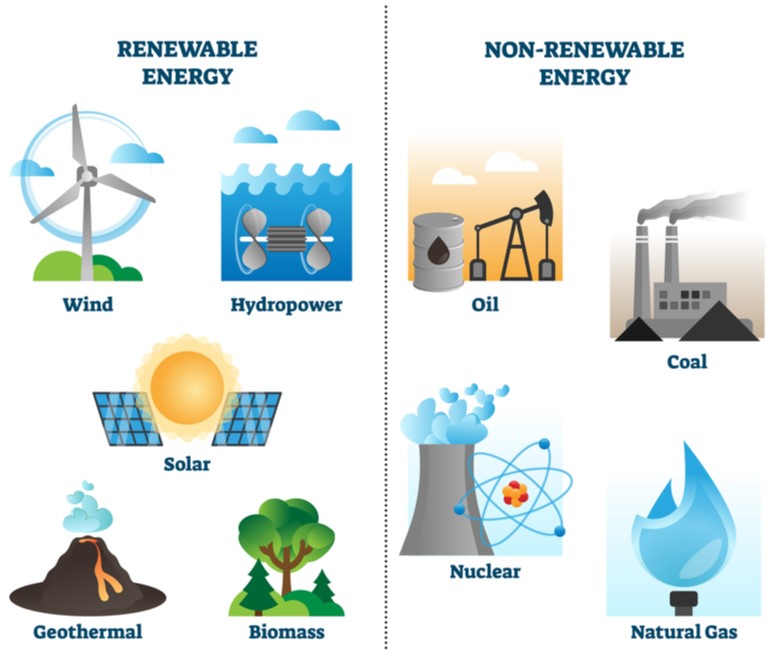
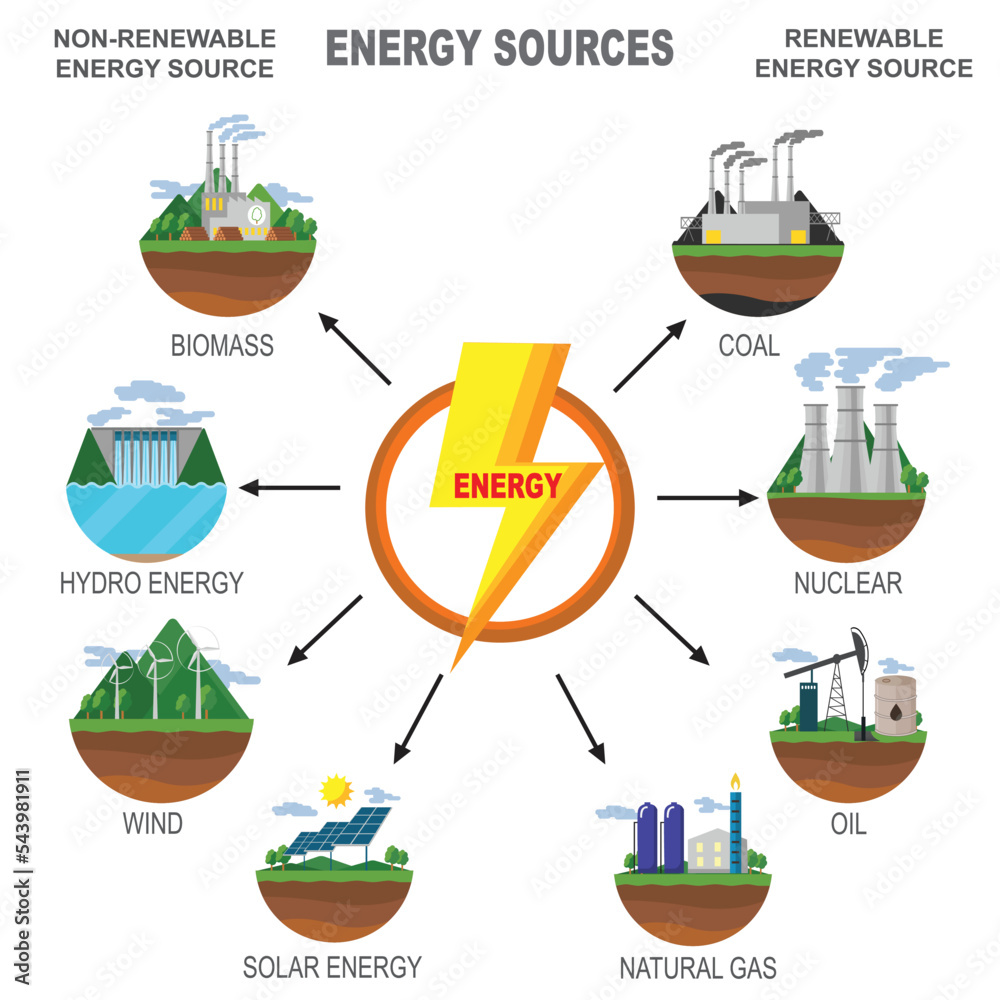
Think of non-renewable energy sources as the classic rock of the energy world. They've been around forever, powering our societies since the dawn of the Industrial Revolution. But just like vinyl records (which, ironically, are made from petroleum!), they're a finite resource. Once they’re gone, they’re gone. Cue the sad guitar solo.
Fossil Fuels: The big three – coal, oil, and natural gas. These bad boys are formed from the remains of ancient plants and animals (we’re talking millions of years old!). Burning them releases energy, but also releases greenhouse gases, contributing to climate change. It's like that delicious but super-unhealthy comfort food – great in the short term, not so great for the long haul.
Must Read
Nuclear Energy: This one's a bit more complex. Nuclear power plants use uranium to create energy through nuclear fission. It's a powerful and efficient energy source, but the waste it produces is radioactive and needs to be stored safely for, well, a very long time. Think of it as a powerful tool, but one that requires extreme caution and responsibility.
Renewable Energy: The Future is Now!
Okay, time for the good news! Renewable energy sources are like the indie band that's about to hit the mainstream. They're sustainable, replenish naturally, and have a much smaller environmental footprint than their non-renewable counterparts. Let’s meet the band members:
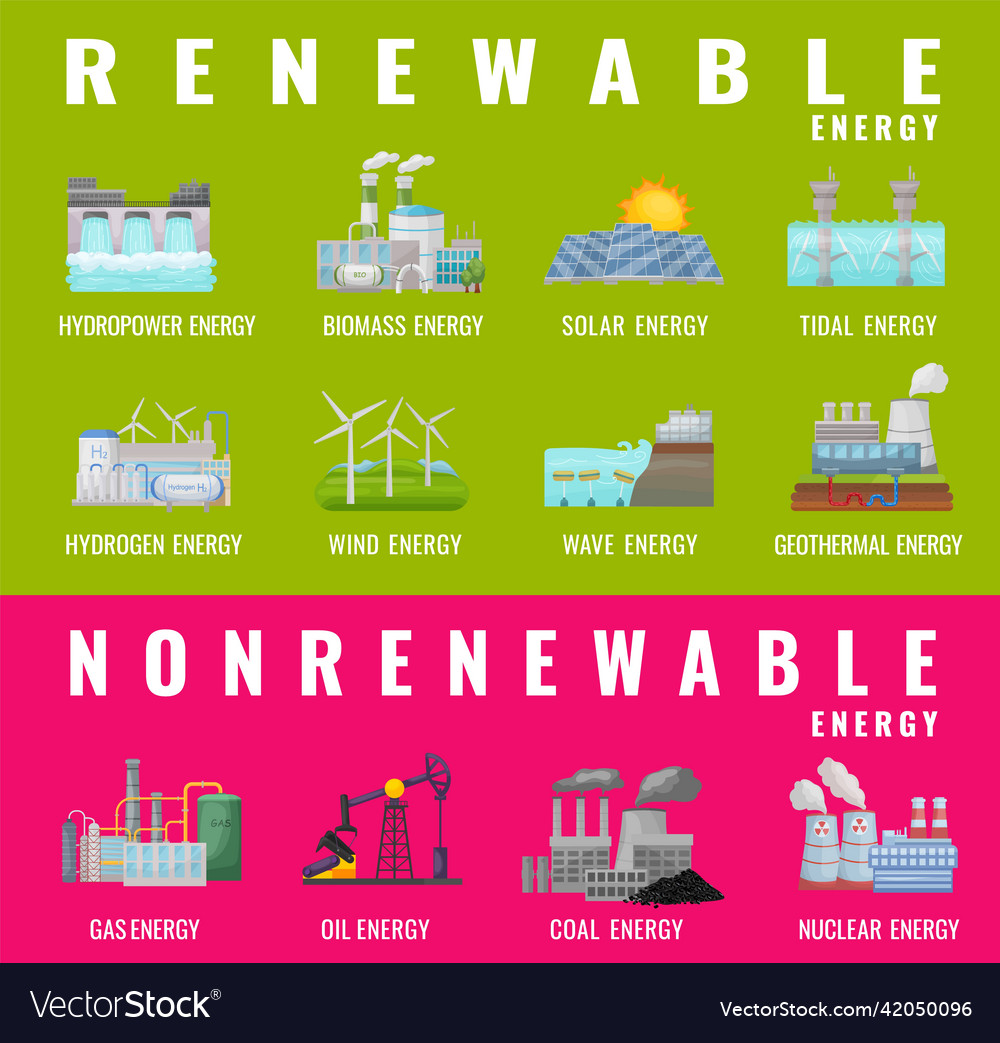
Solar Power: Harnessing the energy of the sun! Solar panels convert sunlight into electricity. It's clean, abundant (especially in sunny locales), and becoming increasingly affordable. Plus, have you seen those cool solar-powered phone chargers? Practical and eco-friendly. Did you know that the amount of solar energy hitting the Earth in one hour could power the entire world for a year?
Wind Power: Giant turbines spinning in the breeze! Wind energy is another clean and efficient source of electricity. Wind farms are popping up all over the world, taking advantage of windy locations to generate power. Fun fact: the Netherlands is a leader in wind energy and has been using windmills for centuries, albeit for grinding grain and pumping water back in the day.
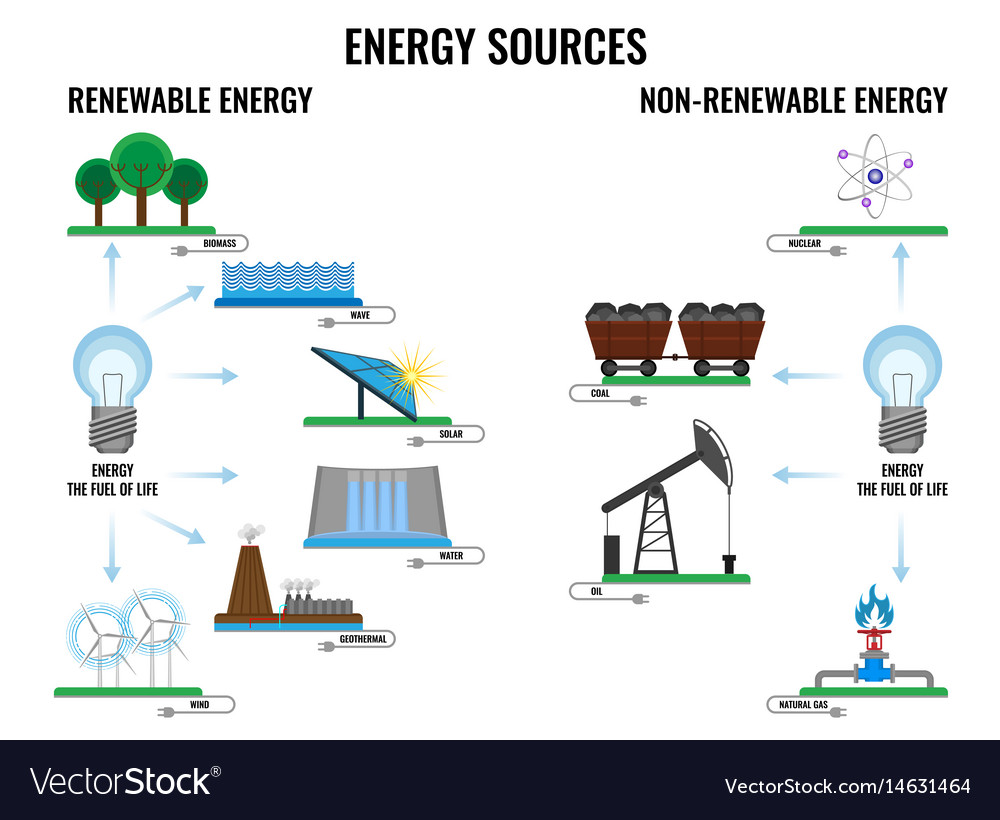
Hydropower: Using the power of moving water. Dams are the most common way to generate hydropower, but there are also run-of-river systems that don't require large reservoirs. It's a reliable source of energy, but large dams can have negative impacts on local ecosystems. Think of it as a powerful river – use it wisely.
Geothermal Energy: Tapping into the Earth's internal heat. Geothermal power plants use steam or hot water from underground reservoirs to generate electricity. It's a consistent and reliable source of energy, but it's only available in certain locations. Iceland, for example, is a geothermal energy powerhouse – they even use it to heat sidewalks!

Biomass Energy: Burning organic matter like wood, crops, and waste. Biomass can be a renewable energy source if it's managed sustainably. However, burning biomass can also release pollutants into the air, so it's important to consider the environmental impact. It’s like composting - great when done right, a stinky mess when done wrong.
Making a Difference in Your Daily Life
So, what does all this mean for you? Well, understanding the sources of energy is the first step to making informed choices about your consumption. Here are a few simple things you can do:
- Conserve energy: Turn off lights when you leave a room, unplug electronics when you're not using them, and use energy-efficient appliances.
- Support renewable energy: Look for companies that use renewable energy sources and consider investing in solar panels for your home.
- Reduce your carbon footprint: Walk, bike, or take public transportation whenever possible, and choose sustainable products.
- Stay informed: Learn more about energy issues and advocate for policies that support renewable energy.
We might not all be building wind turbines or installing solar panels tomorrow, but every little bit counts. By understanding where our energy comes from and making conscious choices about how we use it, we can all play a part in creating a more sustainable future. The power, quite literally, is in our hands!