
Solar Panels In Series Or Parallel With Mppt

Okay, let's talk solar panels. Specifically, hooking them up. Sounds thrilling, right?
We've got series and parallel. And then there's the MPPT, which sounds like a villain from a superhero comic. But trust me, it’s not.
Series vs. Parallel: The Great Debate
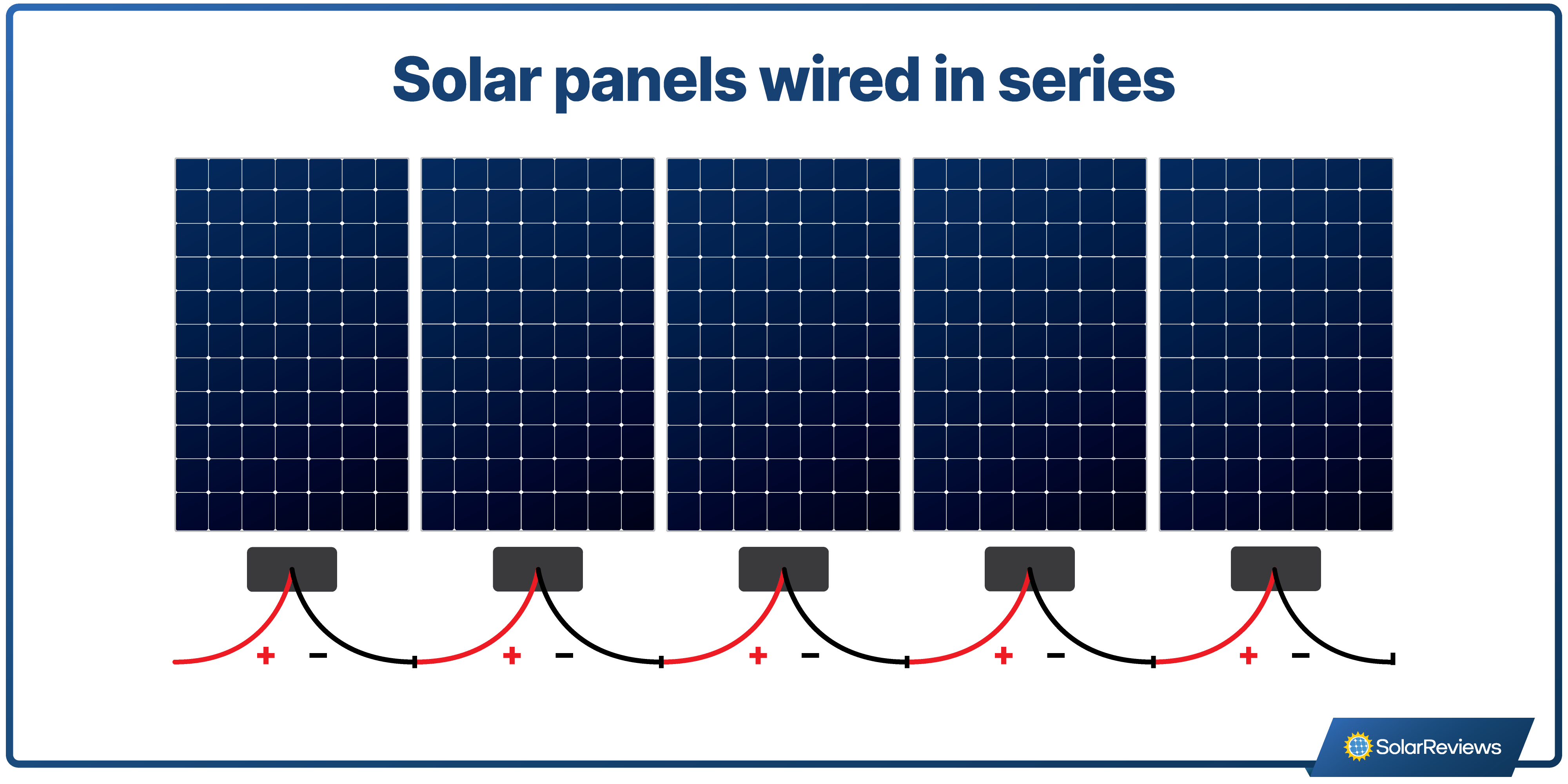
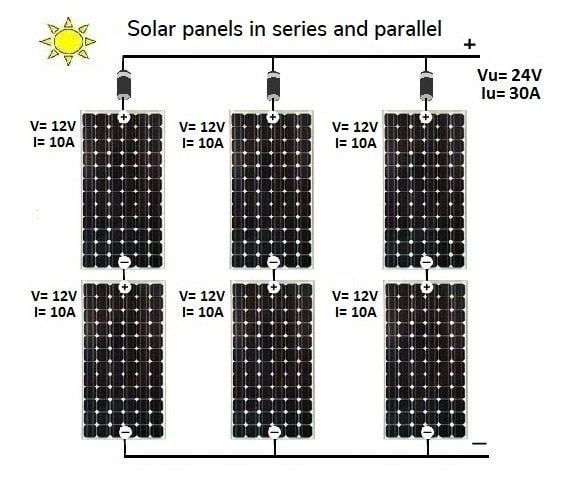
Think of it like this: series is a conga line. Voltage adds up! Parallel is everyone holding hands, increasing the current.
Must Read
Which is better? That's the million-dollar question (or, you know, the slightly-cheaper solar panel question).
My Unpopular Opinion: Parallel Reigns Supreme (Mostly)
Here's where I might lose some friends. I'm going to say it: parallel wiring is generally better, especially with an MPPT controller.
Why? Let's delve into the dark arts of shade tolerance.
Imagine one panel gets shaded. Series setup? The whole conga line suffers! One grumpy panel ruins the party.
With parallel, that shaded panel just contributes less. The other panels keep chugging along, happy as clams.
Don't get me wrong, series has its place. High voltage can be beneficial for long wire runs, reducing loss.
The MPPT Superhero
Now, let's introduce our hero: the MPPT (Maximum Power Point Tracker). It's the brains of the operation.
It finds the sweet spot for your solar panels. The voltage and current combo that gives you the most power.
It's like a personal trainer for your solar array, constantly optimizing performance. Pretty smart, huh?
MPPT and Parallel: A Match Made in Solar Heaven
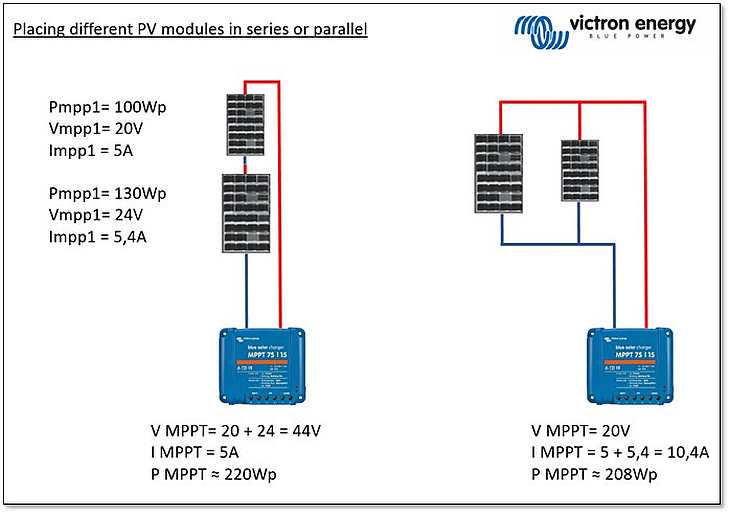
Here's the thing: MPPTs love a good voltage range to work with. And parallel configurations play nicely with this.
While series increases the voltage, paralleling enables the MPPT to do it's best work. It can pull more current, and more power, even if some panels are slacking.
Think of it as feeding the MPPT a diverse buffet. More options means better performance.
The Shade Happens Scenario
Let's revisit that shade problem. We all have trees, clouds, or mischievous pigeons, right?
Shade is the enemy of solar. But parallel wiring gives you a fighting chance.
A little shade on one panel won't cripple your entire system. That's a win in my book!
Series Still Has a Point (But It's a Sharp One)
Okay, I'm not completely anti-series. It has its uses, especially when you need a specific voltage for your inverter.

And in situations with no shading, a carefully calculated series string can be efficient. It all depends on your specific setup.
Just be aware of the risks. One shaded panel can bring the whole system crashing down.
The "It Depends" Clause (Because Life Isn't Simple)
Of course, this is all simplified. The best configuration depends on your panels, your inverter, and your location.
Factor in the MPPT's voltage window, the shading situation, and your wire lengths.
Seriously, do your research. Don't just take my word for it (although I'm clearly brilliant).
Consider Microinverters: The Independent Thinkers
Want to avoid the series vs. parallel debate altogether? Consider microinverters.
These little guys attach to each individual panel. They handle the power conversion right at the source.
No more worrying about shading affecting the whole string. Each panel operates independently. It’s like giving each panel its own tiny brain.
My Biased Conclusion
So, here's my final (and admittedly biased) take: for most home setups, parallel wiring with an MPPT is the way to go.
The shade tolerance and flexibility are worth it. Plus, it just feels safer, less prone to complete system failure.
Of course, consult with a professional. They can assess your specific needs and help you choose the best configuration.
Don't Forget Safety!
Solar panels generate electricity. Electricity can be dangerous. Seriously, don't mess around if you're not comfortable working with electricity.
Hire a qualified electrician. They'll ensure your system is safe and compliant with local codes.
Your safety is way more important than saving a few bucks. Think of it as an investment in not getting electrocuted.
The Myth of The Perfect System
There's no perfect solar system. There will be compromises.
The goal is to find the configuration that maximizes your energy production while minimizing the headaches.
And remember, even a slightly imperfect solar system is better than no solar system at all. Go green!
Embrace the Sunshine (Responsibly)
Solar power is a fantastic way to reduce your carbon footprint and save money on your electricity bill.
But it's also a complex technology. Take the time to learn the basics, and don't be afraid to ask for help.
With a little planning and a lot of sunshine, you can harness the power of the sun and enjoy a brighter, greener future.
One Last Thought (Before I Go)
Seriously, consider those microinverters. They are the future! They isolate each panel, maximizing power.
They also have panel-level monitoring, it will allow you to spot problems early.
Okay, that's it. Now go forth and solarize! Just don't blame me if you accidentally wire something backwards.
And Remember...
Electricity can be dangerous if it is not handled appropriately.
If you are unsure about what you are doing, always consult a qualified professional for assistance.
Safety first!