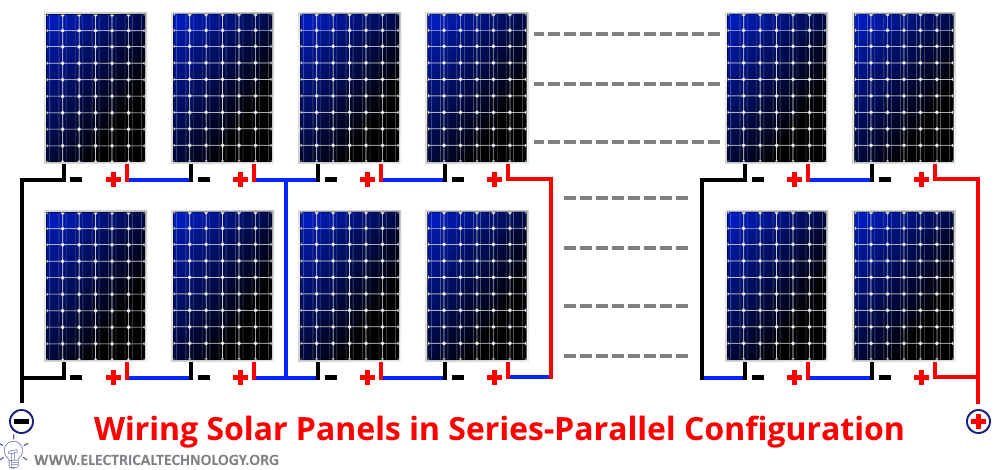
Solar Panels Connected In Series Or Parallel
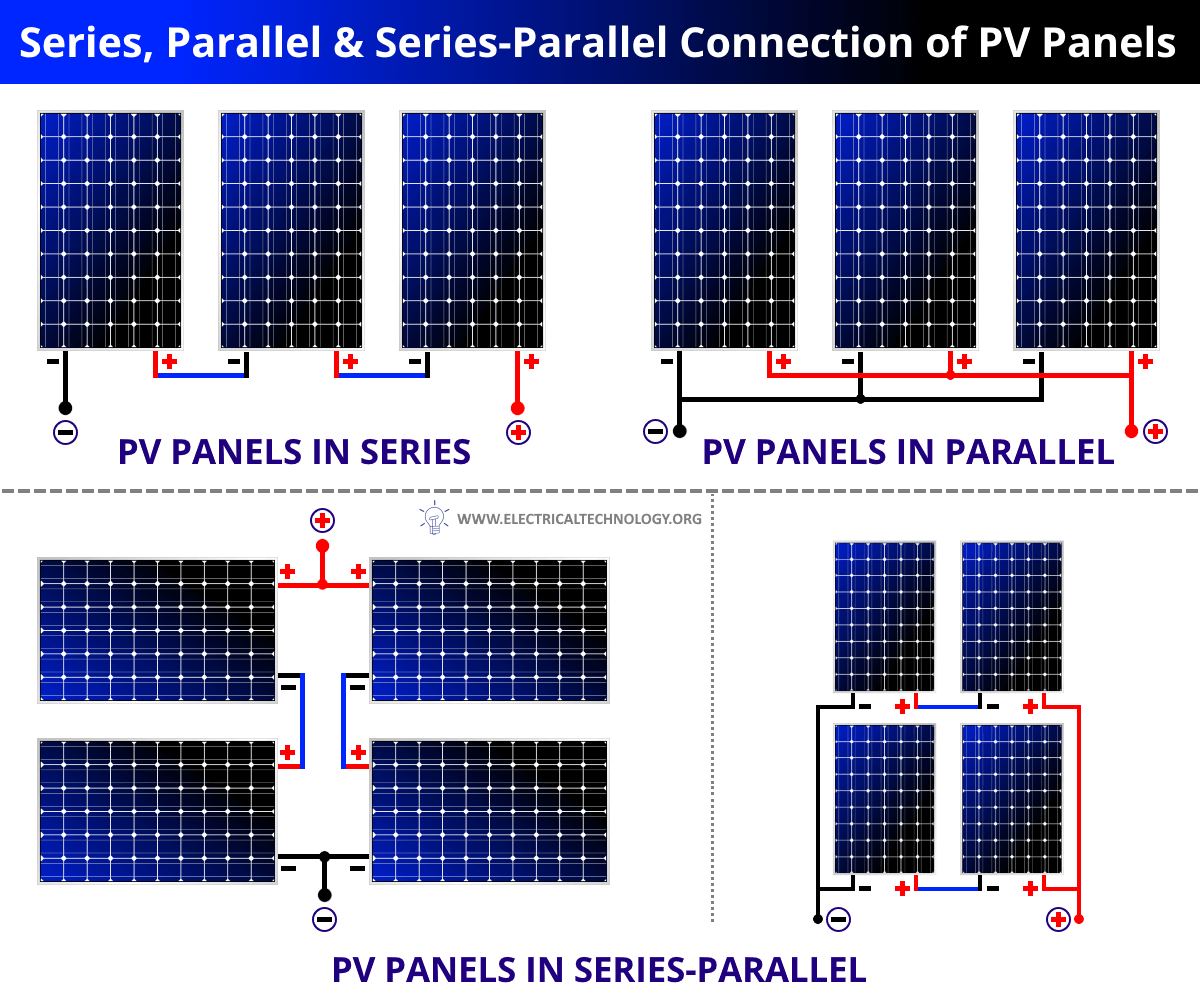
Ever wondered how those sleek, dark panels on rooftops actually power your home? It's more than just sticking them up there and hoping for the best! A key part of making solar energy work efficiently is understanding how the individual panels are connected – specifically, whether they're wired in series or parallel. It might sound technical, but it's surprisingly fascinating, and knowing a little bit about it can give you a real appreciation for the technology that's helping us move towards a greener future.
So, what's the big deal? Think of it like this: each solar panel is like a battery. They generate a certain amount of voltage (the push of electricity) and current (the amount of electricity flowing). The way you connect these "batteries" together determines the overall voltage and current of the system. That's where series and parallel connections come in.
Series connections are like linking batteries end-to-end in a flashlight. When you connect solar panels in series, you add up the voltages. So, if you have three 12-volt panels connected in series, you end up with a total voltage of 36 volts. The current, however, stays the same. This is useful when you need a higher voltage to work with certain equipment, like grid-tied inverters that need a specific voltage range to operate effectively. Imagine building a large solar array where you need a lot of "push" to get the electricity where it needs to go – that's where series connections shine.
Must Read
Parallel connections, on the other hand, are like connecting the positive terminals of batteries together and the negative terminals together. In this setup, the currents add up, while the voltage stays the same. So, if you have three panels each producing 5 amps of current connected in parallel, you'll get a total current of 15 amps. This is particularly useful when you need more "flow" of electricity, perhaps to charge a battery bank quickly, or to power devices that require a higher current. Think of a situation where a little bit of sunshine is available – parallel connections allow you to harvest as much of that limited energy as possible.
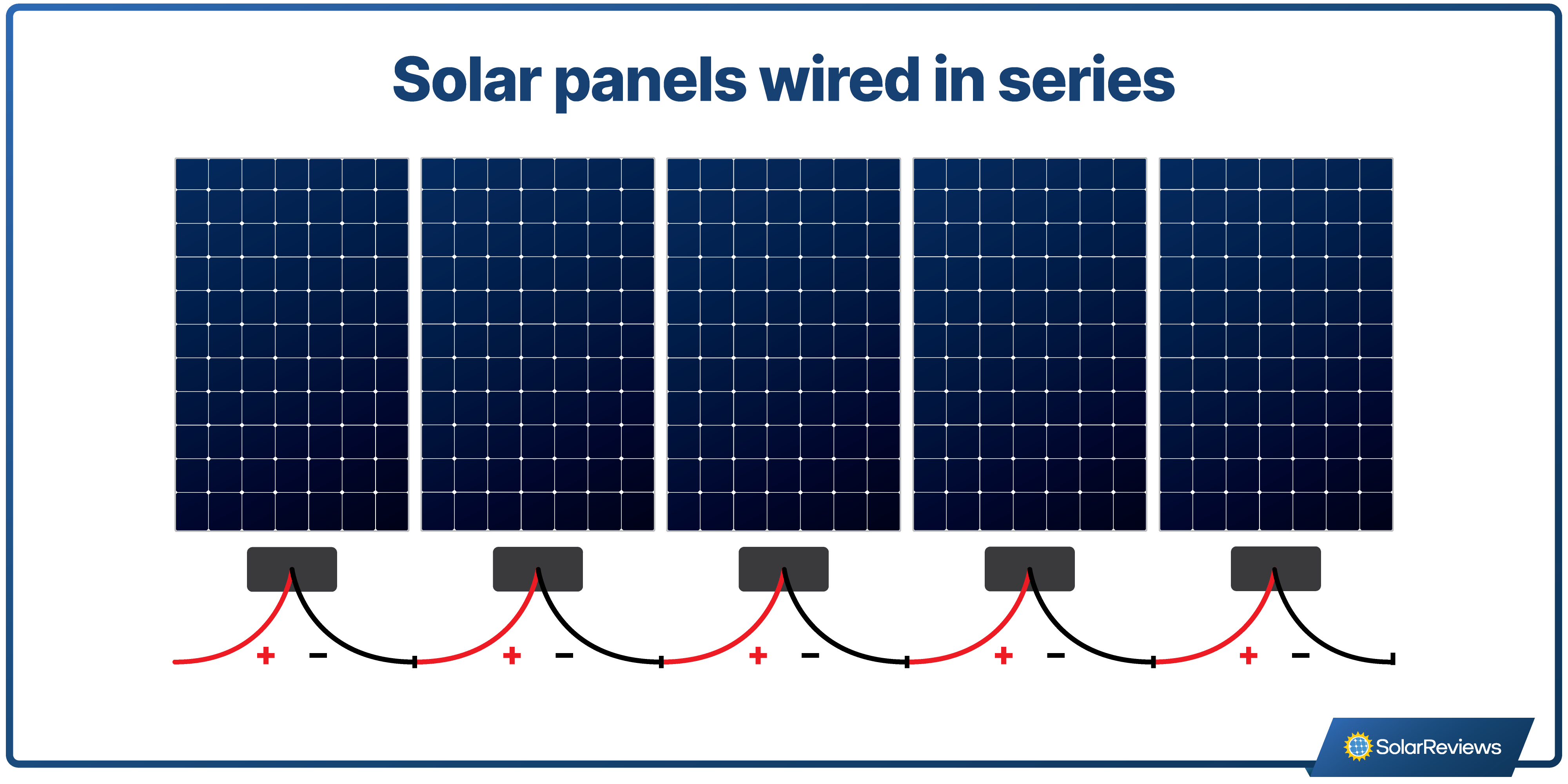
You might see these concepts in action without even realizing it. Schools sometimes use small solar panel kits connected in series and parallel to teach basic electrical principles. Students can experiment with different configurations and measure the resulting voltage and current, gaining a hands-on understanding of how electricity works. Even simple outdoor solar lights often use parallel connections, ensuring they still function even if one cell is partially shaded.
How can you explore this further? A fun (and safe!) way is to use an online solar panel calculator. Many websites offer interactive tools where you can input the specifications of a solar panel (voltage and current) and then simulate connecting them in series or parallel to see the resulting output. You can also look for DIY solar projects online that involve connecting small solar cells – just be sure to follow safety guidelines and work with low voltages. Understanding the difference between series and parallel connections empowers you to make informed decisions about solar energy and appreciate the clever engineering behind it. Even better, this understanding extends far beyond just solar panels – it's a fundamental concept in electronics that applies to batteries, circuits, and countless other devices.