
Solar Panels Connected In Series And Parallel Pdf

So, you're thinking about going solar? Smart move! Harnessing the power of the sun isn't just eco-chic; it's a savvy way to save money and contribute to a greener planet. But before you picture yourself sipping iced tea powered by the sun, let's delve into a crucial aspect: how those solar panels are actually wired. Forget tangled extension cords; we're talking about series and parallel connections!
The Series Connection: A Voltage Boost
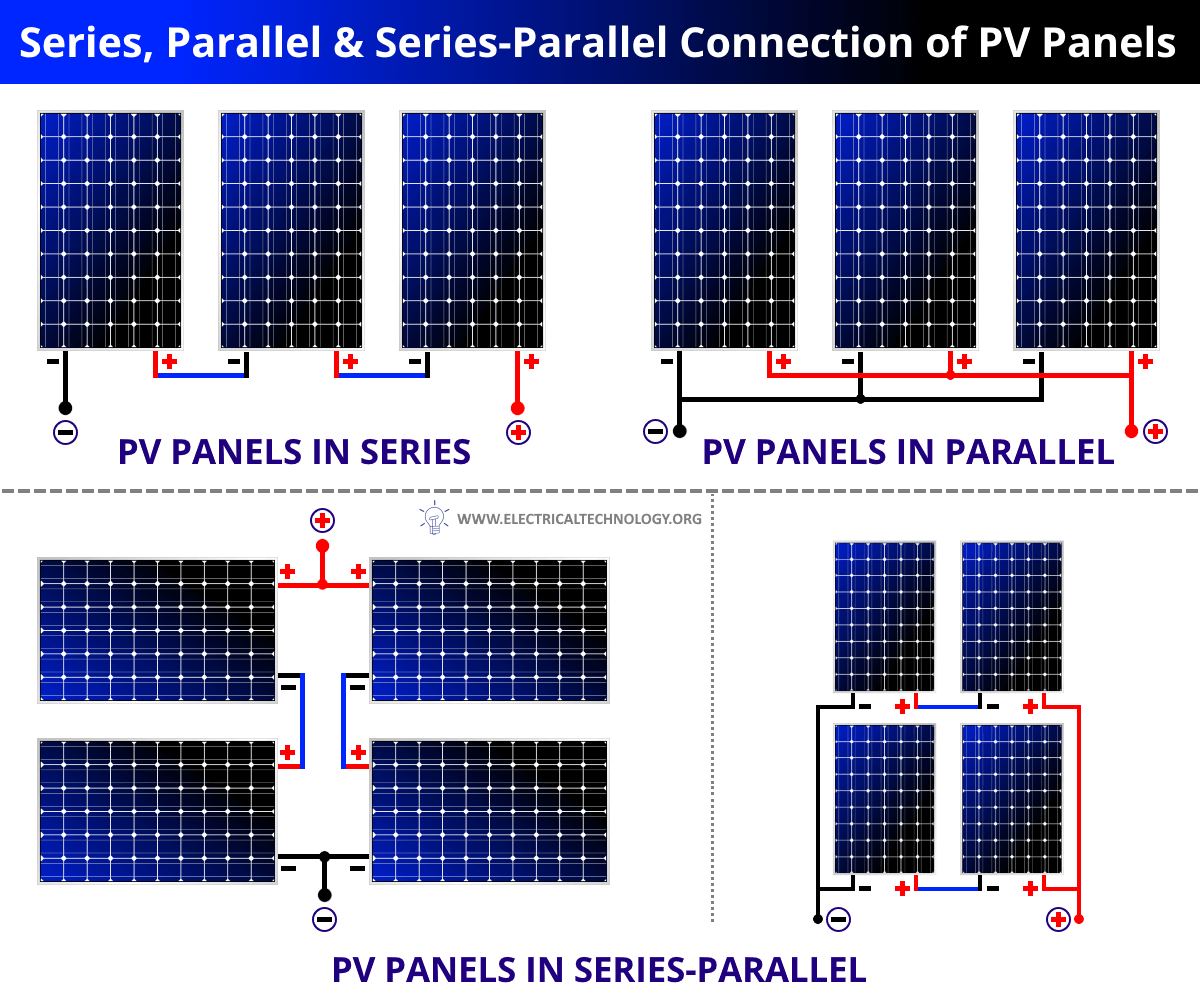
Imagine a string of holiday lights. That’s essentially how solar panels connected in series work. When you connect panels in series, you're linking them end-to-end, increasing the overall voltage. Think of it like adding batteries to a flashlight to make the beam brighter. Each panel contributes its voltage to the chain.
Practical Tip: Series connections are great for systems that require a higher voltage, like grid-tied inverters that feed electricity back into the power grid. However, there's a catch. If one panel in the series is shaded or malfunctions, it can drag down the performance of the entire string. It's like that one dud bulb in your Christmas lights bringing the whole strand to its knees.
Must Read
Think of it this way: it's like The Beatles. If Ringo Starr suddenly decided to only play the triangle, the whole band’s output would suffer. (No offense, Ringo!). Each panel needs to perform to its potential.
The Parallel Connection: Amping Up the Current
Now, picture a group of friends each contributing to a potluck. That's a parallel connection. Instead of boosting voltage, parallel connections increase the current (measured in Amps). You're essentially providing multiple pathways for the electricity to flow.

Practical Tip: Parallel connections are ideal for charging batteries or powering low-voltage devices. The beauty of this setup is its resilience. If one panel is shaded or fails, the others can continue to operate independently. It's like having multiple chefs in the kitchen; if one burns the toast, the others can still whip up a culinary masterpiece.
This is like the Avengers assembling. Each hero (panel) brings their own unique power (current), and together, they're an unstoppable force. Even if Iron Man needs a nap, Thor and Captain America can pick up the slack.

Series-Parallel Combinations: The Best of Both Worlds
Of course, you don't have to choose between series and parallel connections. Many solar systems use a combination of both to achieve the desired voltage and current. It's like mixing and matching outfits to create the perfect look. You could have several strings of panels connected in series, and then connect those strings in parallel. This allows you to tailor the system to your specific needs and optimize performance.
Fun Fact: Solar panel efficiency has increased dramatically over the years. What used to require a huge array of panels can now be achieved with a smaller, more efficient setup.

Visualizing the Difference: Imagine water flowing through pipes. A series connection is like one long, narrow pipe; the pressure (voltage) increases as you move along it. A parallel connection is like several smaller pipes running side-by-side; the amount of water flowing (current) increases.
Finding the Right Configuration
So, which configuration is right for you? The answer depends on your specific needs and the equipment you're using. Factors like the voltage requirements of your inverter or battery bank, the size of your solar array, and the shading conditions on your property all play a role. This is where consulting with a qualified solar installer is crucial. They can assess your situation and design a system that maximizes your energy production.
Important Note: Working with electricity can be dangerous. Always consult with a professional and follow safety guidelines when installing or modifying a solar system. Never attempt to connect or disconnect panels while they are exposed to sunlight.
Consider This: A properly designed and installed solar system can significantly reduce your carbon footprint and save you money on your electricity bill. It's an investment in your future and the future of the planet. Plus, there's a certain satisfaction in knowing that you're powering your life with clean, renewable energy.
Final Thoughts: Harnessing the Sun's Potential
Understanding series and parallel connections is a fundamental aspect of solar panel technology. While it might seem technical, the underlying principles are surprisingly straightforward. Just like understanding how your car works empowers you to drive it more effectively, knowing how your solar panels are wired allows you to appreciate the ingenuity and potential of this amazing technology. And in a world where energy independence and sustainability are becoming increasingly important, harnessing the power of the sun is not just a trend; it's a responsibility. It's about switching on a light, literally and figuratively, towards a brighter future.