Solar Panel For Charging Deep Cycle Battery

Ever feel like your phone's glued to a charger? Imagine that feeling, but for your camping gear, RV adventures, or even your emergency preparedness kit. We're talking about deep cycle batteries – those workhorses that keep the lights on when the grid goes dark. And wouldn't it be amazing if you could charge them with just…sunshine? Spoiler alert: you can! Let's dive into the surprisingly simple world of solar panels for charging deep cycle batteries.
Think of a deep cycle battery like a really, really patient friend. Unlike your car battery that gives a huge burst of power to start the engine, deep cycle batteries are designed to deliver a steady stream of energy over a longer period. They're perfect for powering trolling motors on a boat, running appliances in an RV, or even backing up your home power system. But that steady stream means they need to be recharged, and hauling around a generator isn’t always the most fun (or quiet!).
Why Go Solar? It's Not Just for Tree Huggers (Though They Love It Too!)
Okay, let’s be honest. Solar power gets a reputation for being complicated or only for extreme environmentalists. But the truth is, it's incredibly practical. Imagine this: you're out camping, miles from civilization. The sun's blazing, but your phone's dying and your portable fridge is threatening to give up the ghost. With a solar panel and your deep cycle battery, you're golden! No frantic search for an outlet, no noisy generator disturbing the peace – just pure, silent, sun-powered goodness.
Must Read
It's also about freedom and flexibility. You can set up a solar charging system in your RV, so you can park wherever the view is best, without worrying about hookups. You can power your off-grid cabin, reducing your reliance on the power company. Or, in case of emergency, you have a reliable backup power source that doesn't rely on gasoline or the grid being up and running. Think of it as power independence!
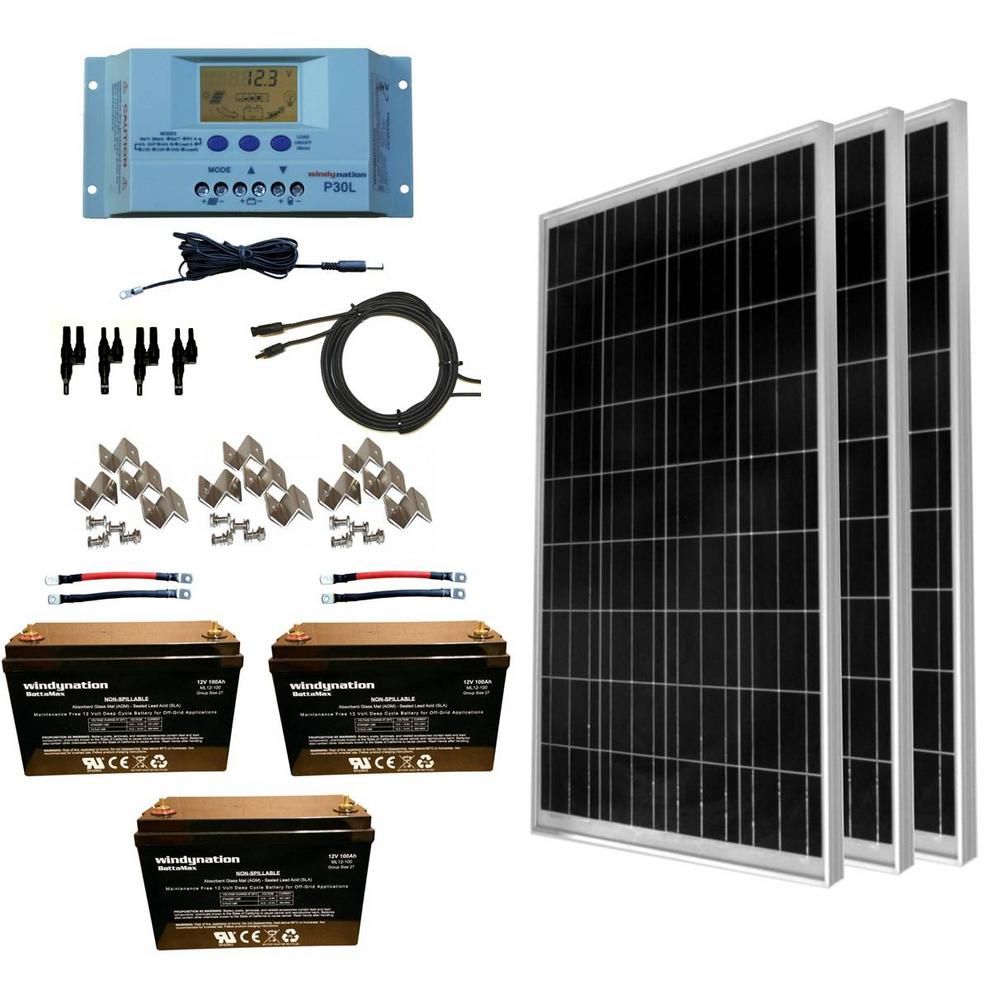
The Basics: A Solar Panel, a Charge Controller, and Your Battery
Don't worry, you don't need to be an electrical engineer to understand this. It’s like baking a cake, you just need the right ingredients. Here's the simple breakdown:
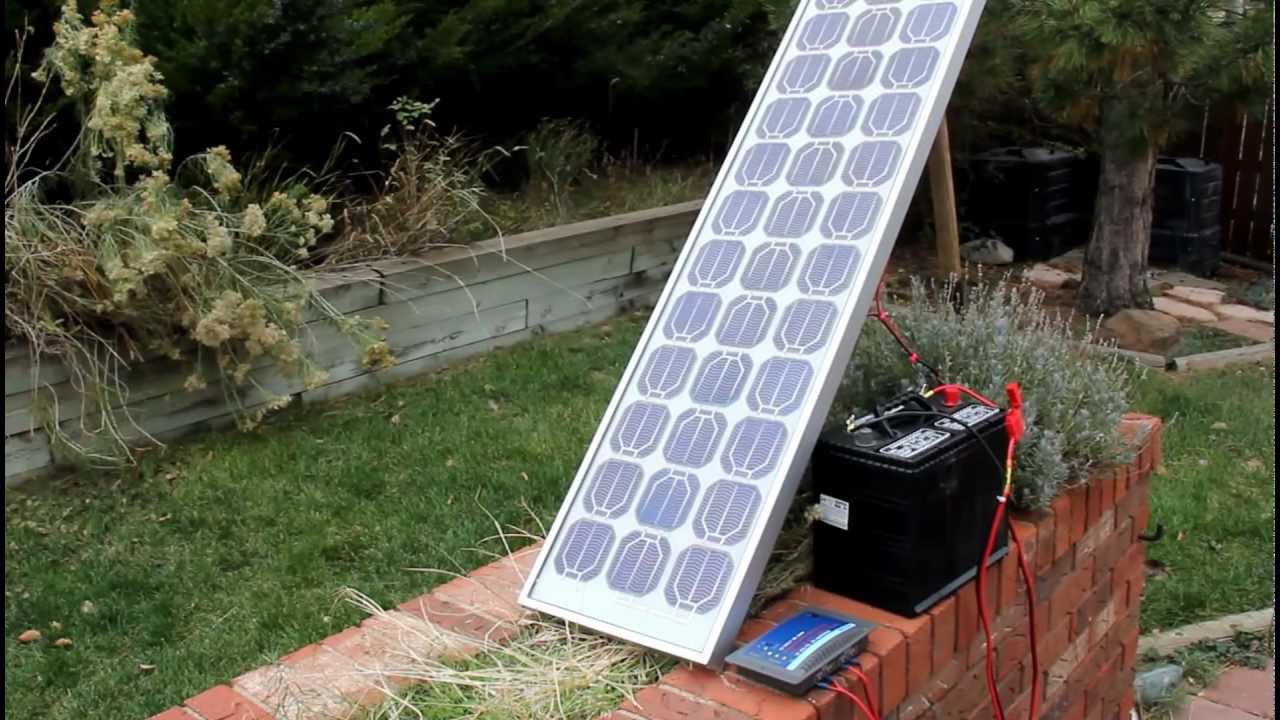
- The Solar Panel: This is the sunshine collector. It converts sunlight into electricity. Think of it as a tiny power plant on your roof (or tent!).
- The Charge Controller: This is the brains of the operation. It regulates the flow of electricity from the solar panel to the battery, preventing overcharging (which can damage the battery). Imagine it as a careful nanny for your battery, making sure it doesn’t get too much “sugar”.
- The Deep Cycle Battery: This is the energy reservoir. It stores the electricity generated by the solar panel, ready to be used when you need it.
Connecting them is usually a matter of plugging in a few wires. Many solar kits come with easy-to-follow instructions and even pre-wired components. It's usually much easier than assembling that dreaded flat-pack furniture!
What Size Panel Do You Need? It Depends...
This is where things can seem a little tricky, but we'll keep it simple. The size of the solar panel you need depends on two main things:
- The size of your battery: Larger batteries need larger panels to charge them efficiently.
- Your energy usage: How much power are you using each day? If you're running a full-sized fridge, you'll need a bigger system than if you're just charging your phone.
A good starting point is to figure out how many amp-hours your battery holds and how many amp-hours you typically use each day. Online calculators and guides can help you determine the right size panel. And don't be afraid to ask for advice from a solar expert! They can help you tailor a system to your specific needs. Remember, it's better to slightly overestimate than underestimate. Having a little extra power is never a bad thing.
Types of Solar Panels: Foldable, Rigid, Flexible...Oh My!
Solar panels come in all shapes and sizes these days. Here are a few common types:
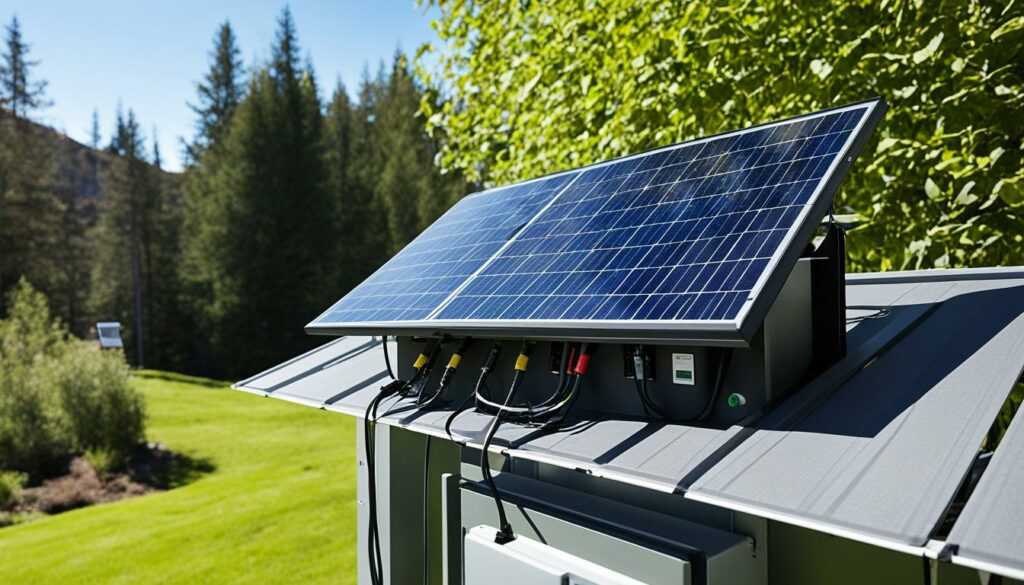
- Rigid Panels: These are the traditional panels you see on rooftops. They're durable and efficient, but also heavier and less portable.
- Foldable Panels: These are great for camping and RVing. They fold up for easy storage and transport. Think of them like a solar-powered picnic blanket!
- Flexible Panels: These can be bent and contoured to fit curved surfaces, making them ideal for boats or RV roofs.
Choosing the right type depends on your needs and how you plan to use your solar system. For a permanent installation, rigid panels are often the best choice. For portability, foldable panels are the way to go.
The Sunny Side of Solar
Using solar panels to charge your deep cycle battery isn't just about being eco-friendly (though that's a great bonus!). It's about having the freedom to go where you want, knowing you'll have power when you need it. It’s about saving money on generator fuel. It's about peace of mind knowing you have a reliable backup power source. And honestly, there's something incredibly satisfying about harnessing the power of the sun to keep your devices running.
So, ditch the extension cords, embrace the sunshine, and unlock the potential of solar power for your deep cycle battery. You might just be surprised at how easy (and rewarding) it is!