
Solar Panel Farms Pros And Cons

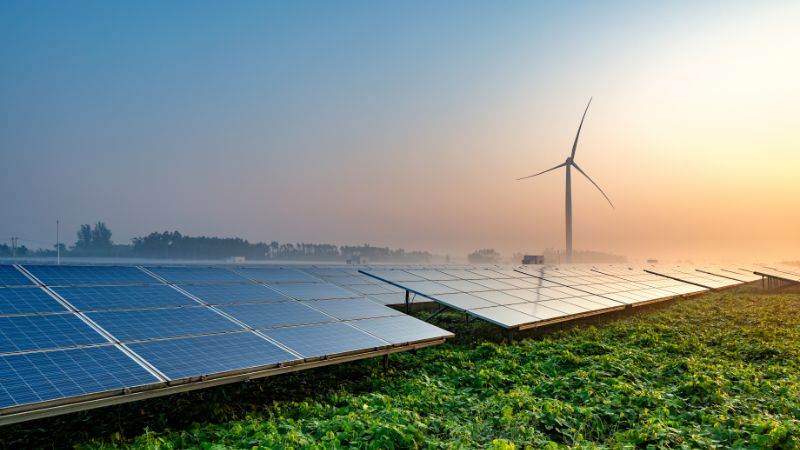
Ever find yourself gazing out the window on a sunny day, maybe sipping a cuppa or just enjoying the warmth? We all do! And while you're basking in those glorious rays, there's a big, shiny conversation happening out there about how we can harness all that sunshine to power our lives: enter the solar panel farm.
Now, before you picture scientists in lab coats, let's keep it simple. We're talking about those vast fields filled with rows upon rows of dark, glistening panels, all facing skyward like a giant, sun-worshipping congregation. They're popping up everywhere, from deserts to old farmland, and they're a pretty big deal. But like anything that scales up from a rooftop panel to something covering acres, there are some really bright sides and a few shadows we need to chat about. And why should you care? Because ultimately, it affects your world, your wallet, and that nice warm feeling you get from a sunny day!
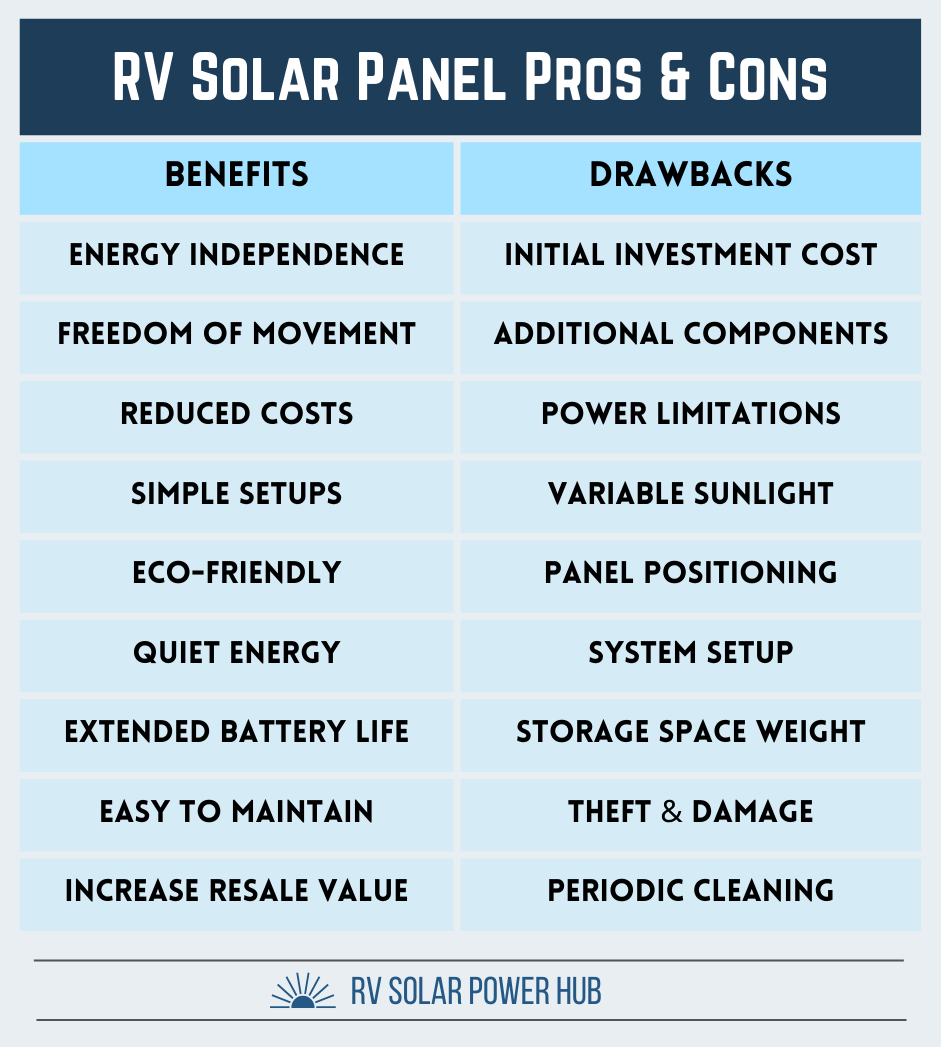
The Sunny Side: Why Solar Farms Make Us Smile
Let's kick things off with the good stuff. Think of solar farms as nature's ultimate energy snack bar – always open, always refilling, and totally free once it's built!
Must Read
First up, it's about clean energy. This is probably the biggest gold star. When those panels soak up sunshine, they're not belching out smoke like an old factory or creating any nasty byproducts. It's like getting all the energy without any of the mess. Imagine your car running purely on sunshine – no exhaust fumes, just smooth sailing! That means cleaner air for all of us, for our kids to breathe, and for our grandkids to enjoy. Fewer doctor's visits for smog-related sniffles? Yes, please!
Then there's the fact that the sun is, well, always there. For another few billion years, at least! Unlike finite resources that we're constantly digging up, burning through, and then worrying about running out of, solar power is pretty much endless. It’s like having an all-you-can-eat buffet where the food never runs out. That gives us a wonderful sense of security, knowing our energy future isn't tied to a specific patch of ground or someone else's generosity.
And for your pocket? While the initial setup for these farms can be a big investment (more on that later!), over time, they can help stabilize and even lower electricity prices. Think of it like this: once you've bought the fancy coffee machine, every cup after that is practically free. When we're generating more of our own power locally, we're less reliant on fluctuating global markets, which can mean more predictable and potentially cheaper bills for your home. More money for that extra latte or a treat for the kids!
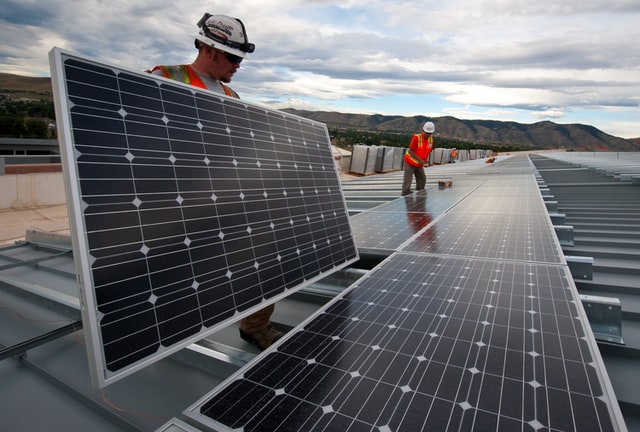
Plus, building and maintaining these sprawling solar arrays creates jobs, jobs, jobs! From the engineers who design them to the construction crews who install them and the technicians who keep them humming, solar farms are budding job creators. It’s like a new big local employer moving into town, bringing fresh opportunities and boosting the community's economy. Who doesn't love a thriving local job market?
The Shady Spots: What We Need to Think About
Okay, so it’s not all sunshine and rainbows. Even the most brilliant ideas have their "hmm, let's ponder this" moments. Solar farms are no exception.
The first biggie is land use. Those massive fields of panels? They take up a lot of space. We're talking acres and acres, sometimes hundreds or thousands. So, where do we put them? Do we sacrifice prime agricultural land that could be growing our food? Or do we turn natural habitats into industrial zones? It’s a bit like deciding whether to build a new shopping mall on a beautiful park – there's always a trade-off. Finding the right balance between clean energy and preserving nature or farming is a serious juggling act.
Then there’s the inconvenient truth that the sun is a bit of a diva: it only performs during the day and really shines on clear days. This means intermittency is a challenge. What happens when the clouds roll in, or when night falls, and everyone needs to charge their phones, watch TV, and run the dishwasher? Solar farms need backup plans, usually in the form of huge batteries (which have their own environmental considerations) or by drawing power from other sources. It's like planning a massive BBQ – you need a backup tent in case it rains, right?
Another point is the initial cost. While the long-term benefits are great, getting these massive projects off the ground costs serious dough. It’s like buying that dream house – it's a huge upfront investment, even if it saves you money on rent in the long run. Governments and companies need to find ways to fund these projects without breaking the bank or putting too much burden on taxpayers from the get-go.

And let's be honest, those panels don't magically appear. Their manufacturing requires resources, and eventually, after 20-30 years, they reach the end of their useful life. What do we do with all those worn-out panels? We need robust recycling programs to ensure they don't just end up in landfills. It’s a bit like buying a new gadget – we love it, but we also need to think about how to responsibly dispose of the old one.
Finally, there's the potential for wildlife impact. Sometimes, those vast, shiny surfaces can confuse birds, who might mistake them for water. And the sheer scale of some farms can disrupt local ecosystems. It’s not a showstopper, but it means careful planning is needed to protect our feathered and furry friends, perhaps by creating buffer zones or using bird-friendly designs.
So, there you have it – the good, the great, and the "let's figure this out" aspects of solar panel farms. It's a journey, not a destination, and these colossal sun-catchers are a vital part of our future energy mix. Understanding both sides helps us all have a more informed, productive chat about how we power our world. Every ray counts, and so does every voice in this important conversation!