
Solar Generator That Can Power A Refrigerator

Okay, so picture this: me, standing in my kitchen, staring longingly at my fridge. Not because I was hungry (though, let's be honest, I usually am), but because I was in the middle of yet another power outage. The ice cream was starting to weep, and I was having visions of throwing a block party with rapidly melting popsicles. Desperate times, right?
That's when I decided enough was enough. I needed a solution that didn't involve stockpiling candles and praying to the electricity gods. Enter the solar generator! Now, I know what you're thinking: "Solar generator? Sounds like something out of a sci-fi movie where they power spaceships with sunflowers." Well, it's not quite that dramatic, but it's still pretty darn cool.
So, What IS a Solar Generator, Anyway?
Think of it like a super-charged power bank that gets its energy from the sun. Basically, you've got solar panels (the sun-catching heroes) that soak up those sweet, sweet rays and convert them into electricity. This electricity then gets stored in a battery within the generator. And voila! Instant, sun-powered juice to run your stuff.
Must Read
It's not technically a generator at all, but a battery-based power source. Traditional generators use gasoline or propane, making it quiet and eco-friendly.
The Refrigerator Challenge: Can a Solar Generator REALLY Handle It?
This was my big question. My fridge isn't exactly a dainty little device. It's a hulking metal beast filled with enough food to feed a small army (mostly leftovers I swear I'll eat). Could a solar generator actually keep it running? The answer, my friends, is a resounding maybe. Let me explain.
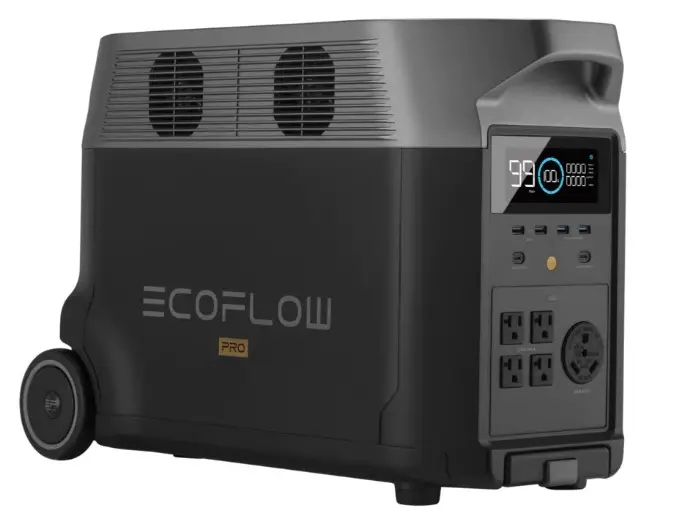
See, refrigerators are energy hogs, especially when they first kick on. That initial surge of power can be a real test for any power source. So, you need to check two key things: the running wattage and the surge wattage of your fridge. The running wattage is the amount of power it uses to stay cool, while the surge wattage is the peak power it needs when the compressor starts. This is usually a higher number.
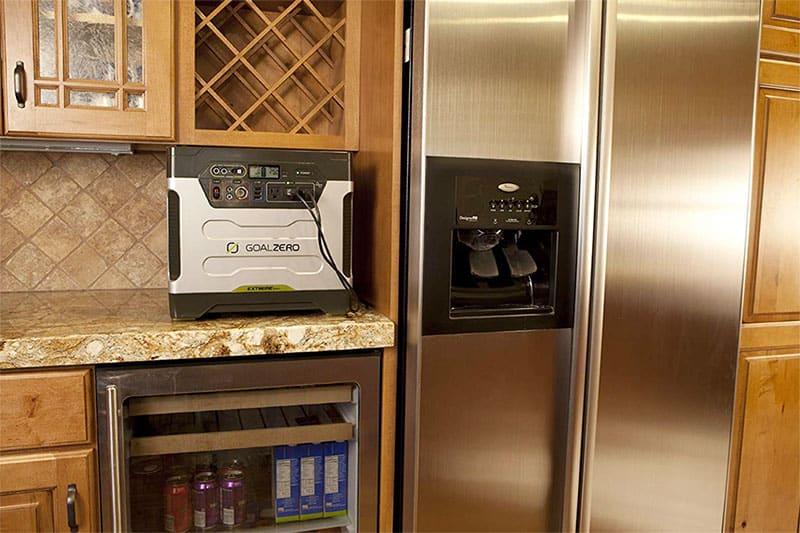
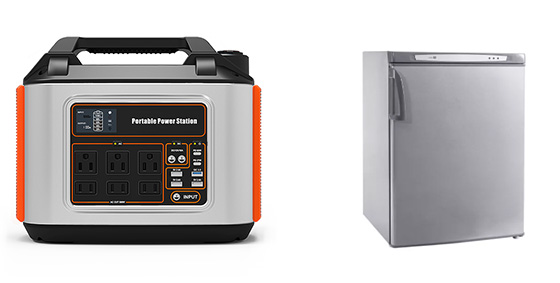
Then, you need to find a solar generator that can handle both of those numbers. Most mid-to-large sized solar generators can do the trick. Smaller ones… probably not unless you have a super energy-efficient fridge or a mini-fridge designed for dorm rooms.
Size Matters (When It Comes to Batteries and Panels)
Think of your solar generator's battery capacity like the size of your gas tank. A bigger tank means you can drive further (or, in this case, power your fridge longer). Battery capacity is measured in watt-hours (Wh). The more Wh, the more juice you've got to work with.
Now, the solar panels are like your refuelling station. The more powerful they are, the faster you can recharge the battery. Solar panel power is measured in watts (W). A 100W panel will recharge your generator slower than a 200W panel, all other things being equal.
Important Note: The amount of sunlight you get will drastically impact how quickly your solar panels can recharge your generator. Sunny days? Awesome! Cloudy days? Not so much. Think of it as the difference between a free buffet and having to pay per bite.
Picking the Right Solar Generator: Don't Get Fooled by the Shiny Ads!
Here's where things get a little tricky. Not all solar generators are created equal. Some are like those inflatable T-Rex costumes: fun to look at, but ultimately a bit flimsy. Before you buy, do your research!
- Check the wattage ratings carefully. Don't just assume it can handle your fridge.
- Read reviews. See what other people are saying about its performance.
- Consider the battery type. Some batteries are more durable and have a longer lifespan than others.
- Don't be afraid to ask questions. Contact the manufacturer if you're unsure about anything.
And remember, the cheapest option isn't always the best. You might save a few bucks upfront, but you could end up with a generator that can't even power a toaster oven, let alone a refrigerator. That's like buying a sports car that can only go 20 mph. What's the point?!
The Verdict: Solar Power to the Rescue (Maybe)!
So, can a solar generator power a refrigerator? Yes, absolutely! But, it's important to do your homework, choose the right size generator, and understand the limitations. It might not be as glamorous as powering a spaceship with sunflowers, but it's a pretty darn good way to keep your ice cream from melting during the next power outage. And that, my friends, is a victory worth celebrating… preferably with a non-melted popsicle.
Just remember to keep it charged! I once forgot to charge mine and ended up with a fridge full of lukewarm leftovers. Lesson learned.