
Solar Energy Uses Advantages And Disadvantages
Okay, so picture this: I'm camping, right? Totally off-grid, "one with nature" and all that jazz. Except, my phone's about to die. Disaster! Thankfully, my friend, bless her soul, brought a portable solar charger. Saved the day (and my Instagram stories, let's be real). That little experience got me thinking – solar power is everywhere these days. But what’s the real deal? Is it all sunshine and roses, or are there some cloudy days too? Let's dive in!
Solar Energy: Harnessing the Sun's Power
At its core, solar energy is pretty straightforward. It's all about capturing the sun's energy and converting it into something useful. That "something useful" is usually electricity, but it can also be used for heating water or even powering your AC unit. The most common way we do this is through photovoltaic (PV) cells, which are those shiny panels you see on rooftops and in solar farms. Think of them as tiny, silent power plants sitting right on your roof!
Everyday Uses of Solar Energy
You might think solar energy is just for super eco-conscious folks, but it's crept into our lives in tons of ways:
Must Read
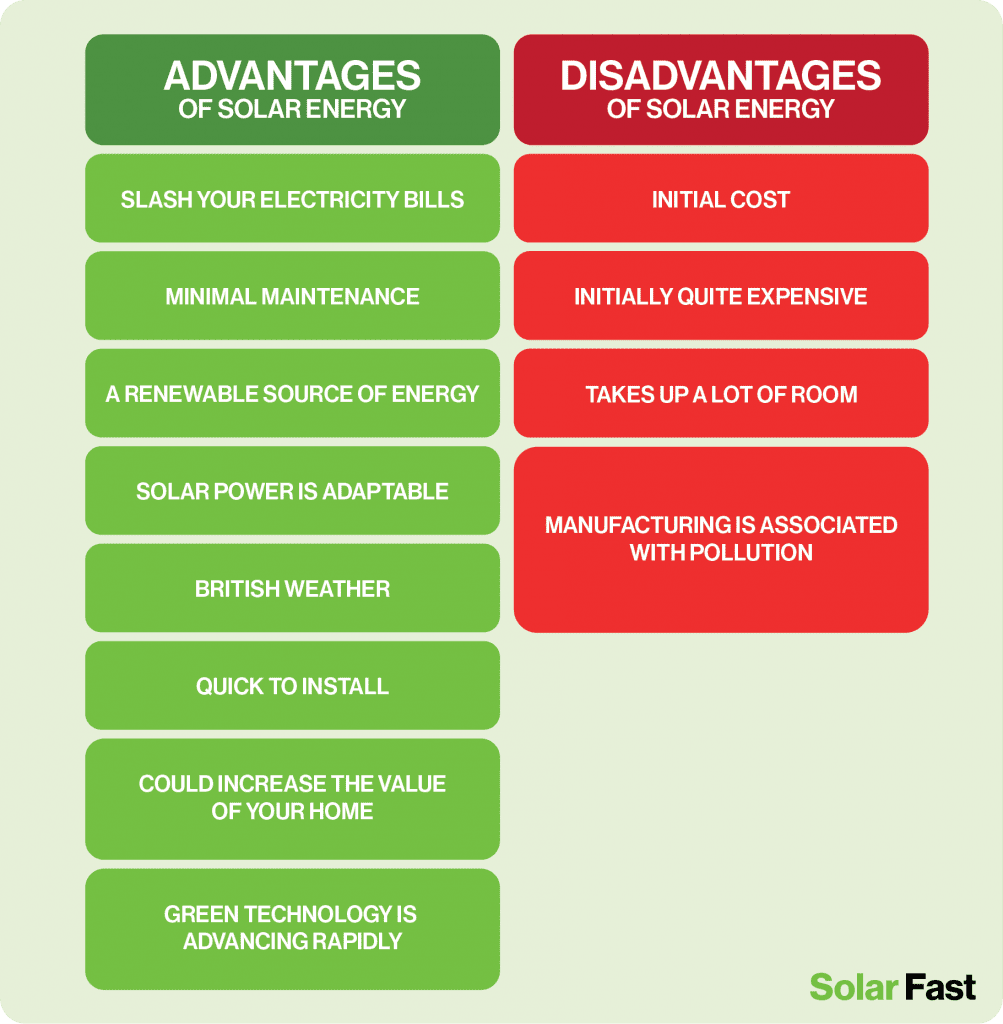
- Residential Power: Obvious, right? Powering your home with solar panels and potentially cutting your electricity bills (cha-ching!).
- Water Heating: Solar thermal systems can heat water for your showers and even your pool. No more shivering when you jump in!
- Solar-Powered Gadgets: From calculators and garden lights to phone chargers (remember my camping trip?), solar-powered gadgets are becoming increasingly common.
- Large-Scale Power Plants: Giant solar farms are popping up all over the world, contributing to the overall energy grid and reducing reliance on fossil fuels. Pretty cool, huh?
- Transportation: Electric cars are becoming more popular, and they can be charged using solar power. Imagine driving on sunshine!
The Bright Side: Advantages of Solar Energy
Let's talk about the good stuff, because there's plenty of it!
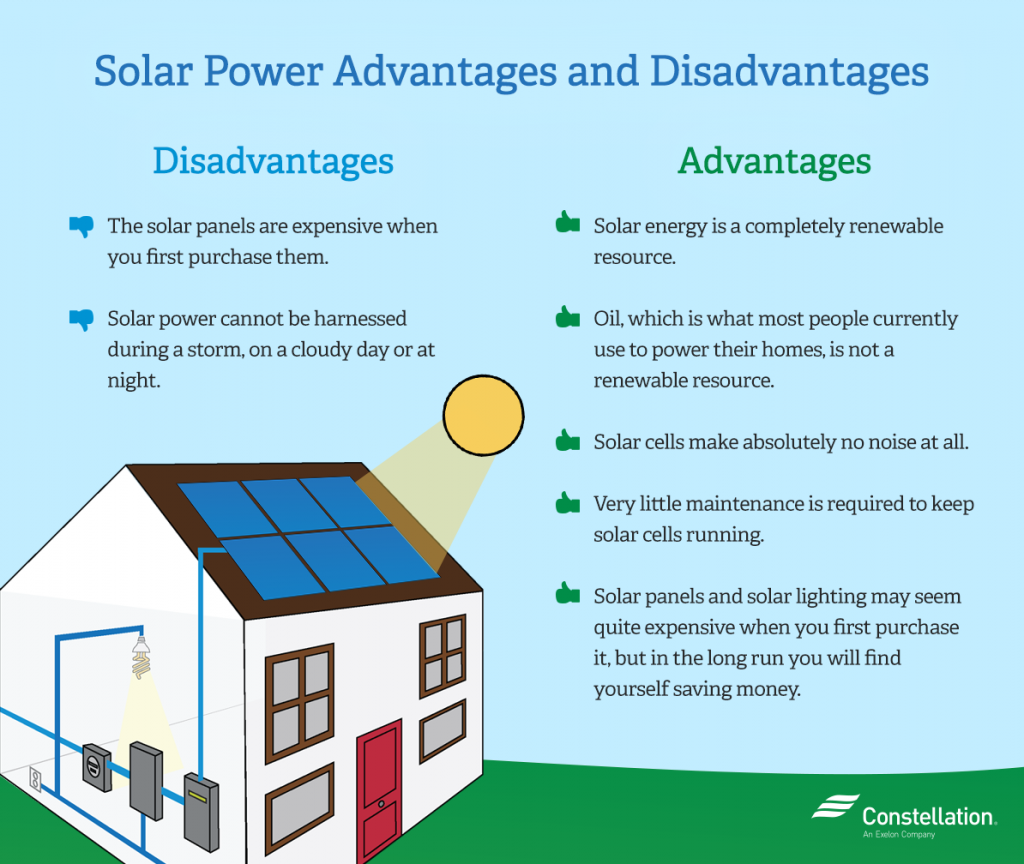
Renewable and Sustainable: This is the big one. The sun isn't going anywhere (at least not for a few billion years). Solar energy is a truly renewable resource, unlike fossil fuels which are finite. And that means we don't have to worry about running out anytime soon.
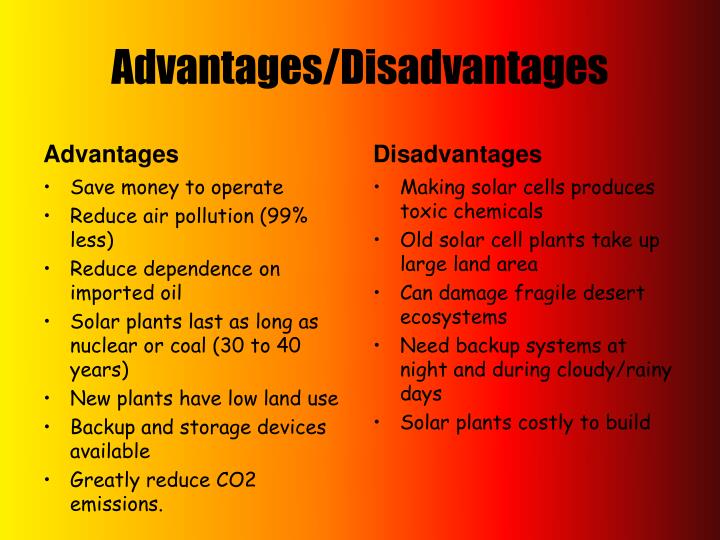
Environmentally Friendly: Solar energy produces little to no pollution during operation. Compare that to coal-fired power plants spewing out who-knows-what into the atmosphere. (Yikes!)
Reduced Energy Bills: This is what gets most people excited. Generating your own electricity with solar panels can significantly lower your monthly energy bills. And in some cases, you can even sell excess energy back to the grid! More money in your pocket? Yes, please!
Energy Independence: Relying less on traditional energy sources gives you more control over your energy supply. No more being at the mercy of fluctuating gas prices. Score!

Low Maintenance: Solar panels are pretty durable and require minimal maintenance. Occasional cleaning is usually all you need. (Think of it as giving them a little spa day.)
Shadows on the Sun: Disadvantages of Solar Energy
Now for the not-so-sunny side of things. (Every rose has its thorn, right?)

High Initial Cost: The upfront cost of installing solar panels can be a significant investment. However, government incentives and financing options can help ease the burden. Plus, you'll eventually recoup that money with savings on your electric bill.
Intermittency: Solar energy is dependent on sunlight, which means it's not available 24/7. Clouds, rain, and nighttime all affect energy production. This is why energy storage solutions (like batteries) are becoming increasingly important. Maybe someday, my house will store sunshine!
Space Requirements: Solar panels require a significant amount of space to generate enough electricity. This can be a challenge for people with limited roof space or land. However, solar farms can be built in open areas to overcome this limitation.
Environmental Impact of Manufacturing: The manufacturing process of solar panels does have some environmental impact, including the use of certain materials and energy. However, the overall environmental benefits of solar energy far outweigh these drawbacks. But it’s still important to acknowledge and address the manufacturing impact!
Aesthetics: Let's be honest, some people don't love the look of solar panels on their roofs. (I personally don't mind, but to each their own!) Fortunately, solar panel designs are becoming more sleek and integrated, so they're less of an eyesore.
The Future is Bright (and Solar-Powered!)
Despite the challenges, solar energy is undoubtedly a crucial part of our future energy landscape. As technology advances and costs continue to decrease, solar power will become even more accessible and widespread. Maybe one day, everything will be powered by the sun! That's a future I can get behind.