Solar Energy Is An Example Of
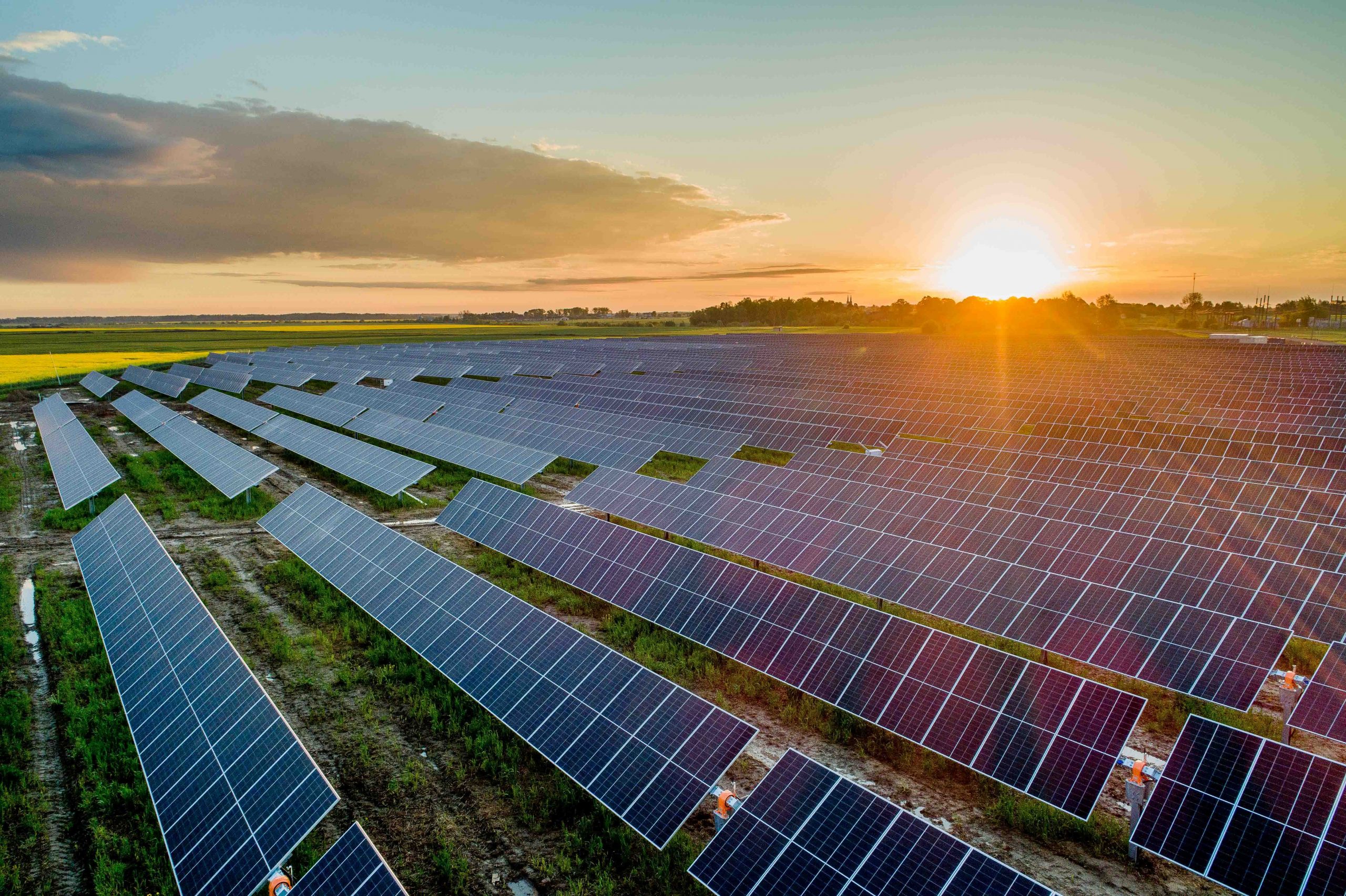
Ever gazed up at the sun on a bright day and just felt that incredible warmth? It's pretty amazing, isn't it? That giant, fiery ball of gas has been powering life on Earth for billions of years, and lately, we humans have gotten rather good at tapping into its endless generosity ourselves. Learning about solar energy isn't just for scientists; it's a fascinating peek into how we can live more sustainably and smartly, making it a super relevant and fun topic for anyone curious about the world around them.
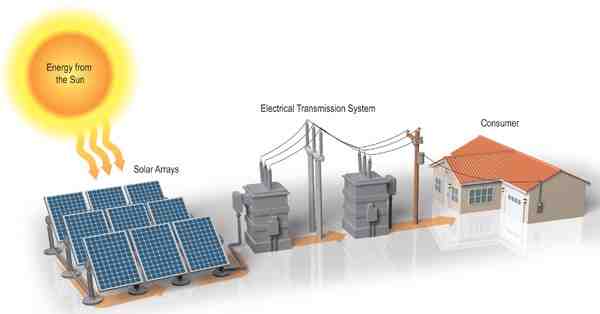
At its heart, solar energy is simply about capturing sunlight and converting it into something useful – usually electricity or heat. The main purpose is to provide a clean, renewable, and often cost-effective alternative to traditional fossil fuels. Think about the massive benefits: no air pollution, no greenhouse gas emissions, and an energy source that literally won't run out as long as the sun shines. It helps us reduce our carbon footprint, fight climate change, and gain a bit more energy independence. Plus, it's remarkably versatile, able to power everything from a tiny calculator to an entire city!
You might be surprised how often solar energy pops up in your daily life, even if you don't always notice it. Of course, the most obvious examples are those shiny solar panels on rooftops, soaking up rays to power homes and businesses. But look closer! Those little lights illuminating your garden path at night? Chances are, they've been charging all day with miniature solar cells. Remember those old calculators that worked without batteries? Yep, solar power. Even satellites orbiting Earth rely on solar panels to keep them running. In education, solar energy is a fantastic hands-on learning tool. Kids can build small solar-powered cars for science projects, learn about energy conversion, or even experiment with solar ovens to bake a cookie. It's a brilliant way to introduce concepts of physics, engineering, and sustainability.
Must Read
Want to explore it a bit more yourself? It's easier than you think! Start by simply observing: count how many solar panels you spot on houses or streetlights in your neighborhood. Pick up a small, inexpensive solar-powered toy or a portable solar charger for your phone – watch how it works just from sunlight. You can even try placing a solar-powered garden light in different spots to see how light intensity affects its charging. Read up on the different types of solar technology, like photovoltaic (for electricity) and solar thermal (for heat). Thinking about solar energy helps us all become more aware of where our power comes from and how we can make more environmentally friendly choices. It’s truly an inspiring example of how nature provides, and how human ingenuity can harness that power for a brighter future.