Smoke Detector Keeps Saying Low Battery
Ah, the subtle, yet utterly persistent, chirp. If you've ever owned a home or even just rented an apartment, you've likely had a recurring guest: your smoke detector, chiming its lonely, urgent song about a low battery. It's a universal sound, isn't it? A rhythmic peep that starts small, often in the dead of night, and slowly but surely drives you to the brink of a slightly stressed, ladder-wielding detective. But what if we looked at this common household saga not as an annoyance, but as an opportunity for a little practical learning and a dash of curiosity? It's a fantastic entry point into understanding a small but mighty guardian of our homes.
Before we dive into the mystery of the perpetual low battery, let's take a moment to appreciate what these little devices actually do. At their core, smoke detectors are our silent sentinels, designed to give us an early warning if a fire starts. Their purpose is profoundly simple: to detect smoke, which is often the first sign of a blaze, and alert us with a loud alarm. This early warning is absolutely crucial because it provides precious minutes – minutes that can mean the difference between a minor incident and a tragedy, between safely evacuating and being trapped, and between saving your cherished belongings or losing everything. They are, quite simply, lifesaving devices, working tirelessly to protect our families and our homes.
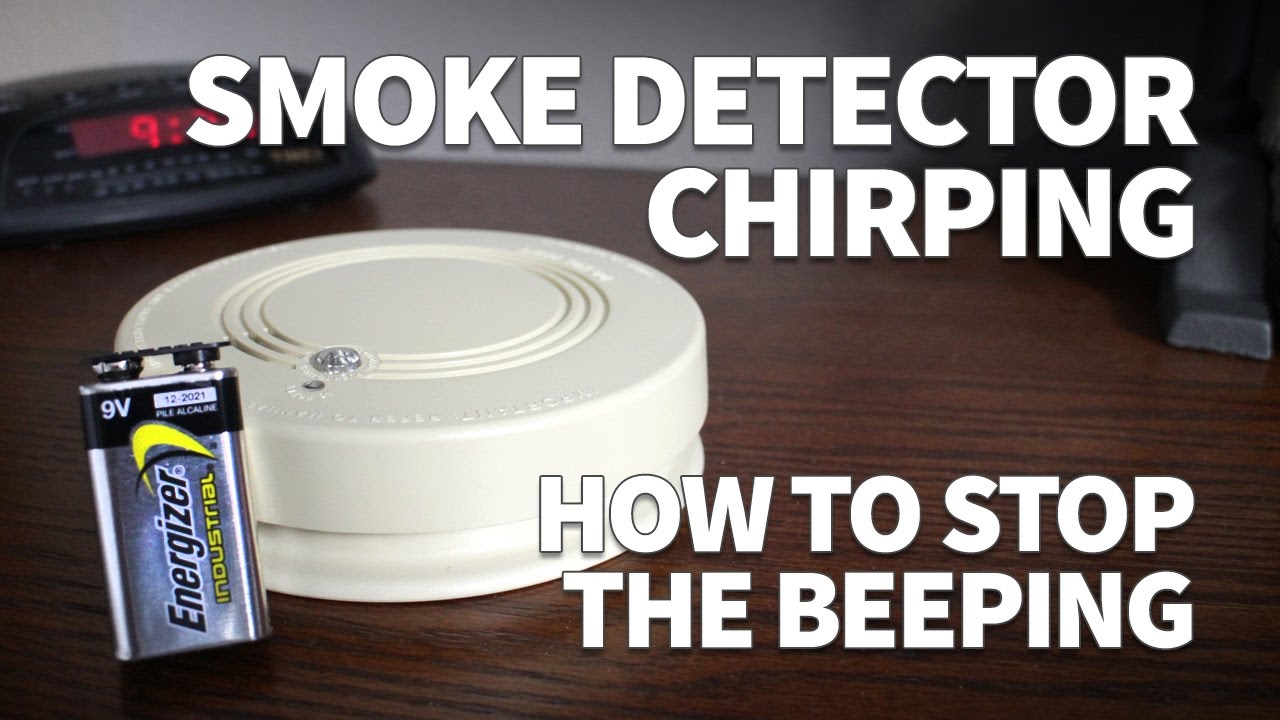
Now, back to our chirping enigma. You've changed the battery, perhaps even twice, and yet... peep. Why does it keep saying low battery? This is where our daily life examples come in handy. Often, people might have multiple detectors, and only one's battery is actually low, while another's chirp echoes deceptively. Or perhaps the detector itself is past its prime – most have a lifespan of about 10 years, and once they hit that mark, they can become a bit temperamental, even with fresh batteries. Dust can also interfere with sensors, mimicking a low battery or even triggering false alarms. These scenarios aren't just frustrating; they're valuable lessons in home maintenance and knowing your appliances intimately. Understanding these quirks helps us become more proactive and less reactive to that infernal peep.
Must Read
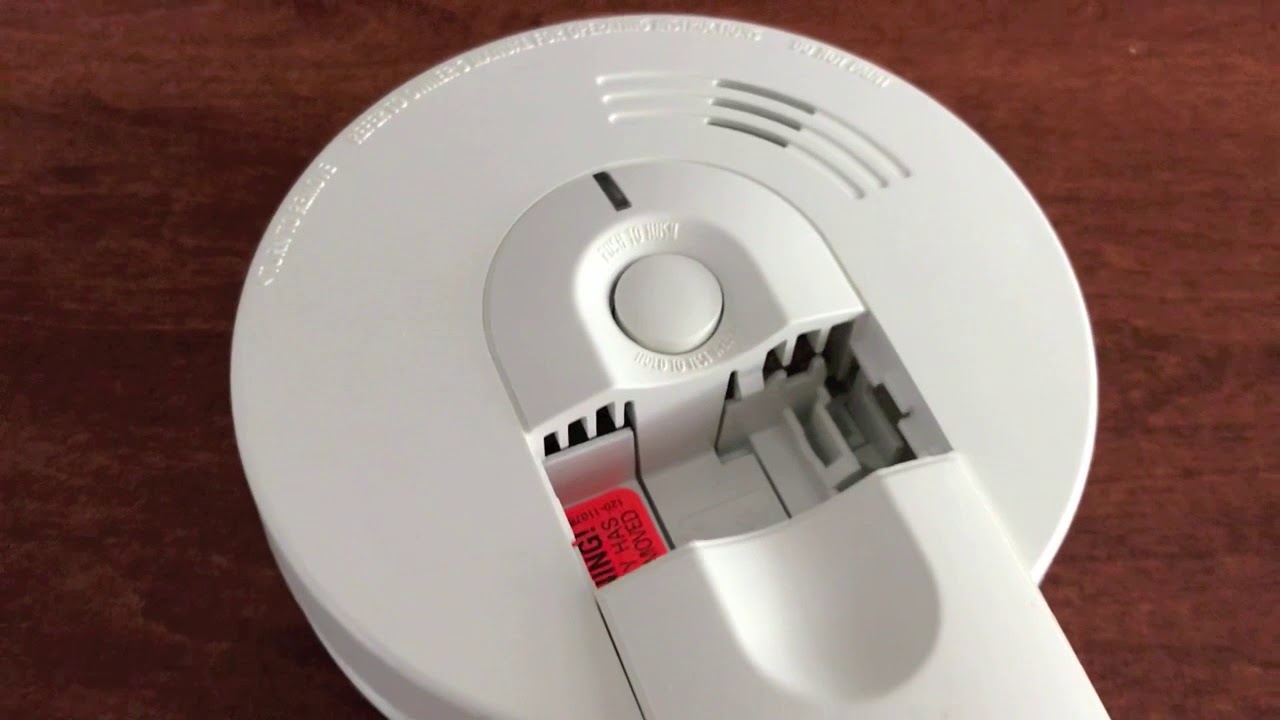
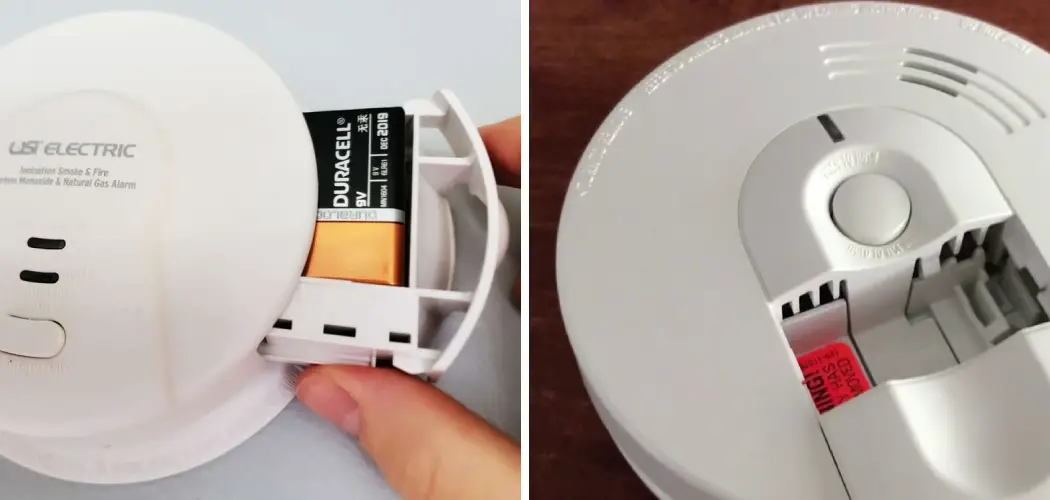
So, how can we explore this further and tackle the problem head-on? First, the next time you hear the chirp, don't just reach for the nearest 9V. Take a moment to identify the exact source. Cover each detector lightly with your hand to muffle the sound and pinpoint the culprit. If you've changed the battery and it still chirps, try cleaning the unit gently with a vacuum attachment to remove any dust. Crucially, check the manufacture date – usually on the back of the unit. If it's over ten years old, it's time for a replacement, not just a new battery. Consider upgrading to interconnected detectors, which all go off if one senses smoke, enhancing safety. By taking these simple, practical steps, you're not just silencing an annoying chirp; you're becoming a more informed and safer homeowner. It’s a small investment of curiosity that brings immense peace of mind.