
Smoke Carbon Monoxide Detector Placement
Alright, let's chat about something super important, but often overlooked: those little round things on your ceiling. No, not a secret camera for your pet to spy on you! We're talking about your smoke and carbon monoxide detectors. They’re basically your home’s tiny, vigilant superheroes. And guess what? Getting their placement just right is oddly satisfying, like winning a mini game of home improvement detective.
Smoke Detectors: Your Tiny Toast Police!
First up, the smoke detector. This little gadget is your first line of defense against a fiery fiasco. It’s like having a miniature, ever-alert fire marshal living rent-free in your house. And it’s not just for big fires; it’s also for those ahem 'experimental' cooking moments. Ever burnt toast to a crisp? That’s its cue!
So, where do these heroes hang out?
Must Read
Top Tip Numero Uno: Ceilings are their happy place! Smoke, bless its heart, loves to rise. So, putting a smoke detector high up on the ceiling means it catches those smoky tendrils quicker than you can say, "Oops!"
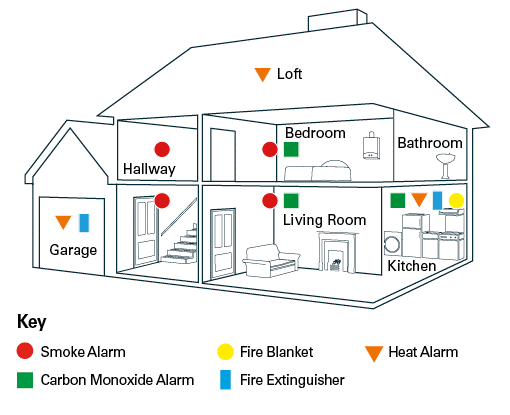
Every Level, My Friend: Seriously, think of your home like a multi-story fortress. You need a detector on every single level. That includes the basement! Even if it’s just a laundry dungeon, better safe than sorry.
Bedroom Buddy System: You need smoke detectors inside every bedroom. Why? Because you're sleeping! You might not hear the one in the hallway. Also, put one outside each sleeping area. This way, if smoke starts creeping around, everyone gets a wake-up call.

The Kitchen Conundrum: Ah, the kitchen. The source of much deliciousness and occasional smoke. You don't want your detector too close to the stove. Why? Because boiling water or a perfectly seared steak can sometimes trick it into a dramatic "fire!" announcement. That’s a nuisance alarm. Keep them at least 10 feet (about 3 meters) away from cooking appliances. Give your culinary genius some breathing room!
Bathroom Blues? Not Here! Avoid placing detectors directly in bathrooms or near shower stalls. Steam from a hot shower can also set off false alarms. It’s like a tiny, confused smoke detector screaming because it thinks your bubble bath is a blaze. Hilarious, but not ideal.
Carbon Monoxide Detectors: The Silent Ninja Gas Sniffer!
Now, let's talk about the super sneaky one: carbon monoxide (CO). This gas is a real trickster. It's colorless, odorless, and tasteless. You can’t see it, smell it, or taste it. That's why your CO detector is such a crucial member of your home's safety squad. It’s like a tiny, ever-alert gas bloodhound, sniffing out danger you can’t perceive.
So, where does this silent guardian stand guard?

Near Sleeping Areas (Again!): Just like smoke detectors, you need CO detectors near bedrooms. If CO levels rise while you’re asleep, your detector will sing its little warning song, giving you time to escape. Placement is key for those sleepy moments!
Every Level Counts (You Guessed It!): Yep, same rule as smoke detectors. Basements, main floors, upstairs – make sure every single level of your home has a CO detector. CO can travel, so comprehensive coverage is essential.
The Great Height Debate: Here’s where it gets funky. Unlike smoke, which rises, carbon monoxide actually mixes quite evenly with the air. So, for CO detectors, placement at chest height or eye level is often recommended. Why? Because that's where you're breathing! It makes sense, right? Don’t put them up too high on the ceiling unless it's a combo unit (we'll get there!). Read your specific detector’s instructions – they know best!

Source Sense: Think about where CO might come from: furnaces, water heaters, gas fireplaces, attached garages. While not directly on these appliances, having a detector within a reasonable distance is smart. It’s like putting a guard near the potential entry point of the "ninja gas."
Avoid the Drafts and Direct Sun: Don't place CO detectors in direct sunlight, near windows that open, or in the direct blast of heating/AC vents. These can mess with their sensors or simply blow CO away before it gets properly detected. We want accurate readings, not a dramatic reenactment of "Gone with the Wind" in miniature!
The Combo Crusaders: Smoke & CO Detectors in One!
Some brilliant minds invented the combo detector – a two-for-one safety deal! These handy devices detect both smoke and CO. They're great for convenience, but their placement becomes a tiny bit of a strategic puzzle.
Compromise is Key: Since smoke detectors love ceilings and CO detectors prefer a bit lower, combo units are often installed on the ceiling. This works well for smoke detection, and while not optimal for CO (due to the height preference), they still provide vital protection. Always follow the manufacturer's instructions for these versatile gadgets.
Fun Facts & Maintenance Merriment!
The Chirp of Power: Heard that annoying little chirp? That's your detector telling you its battery is low! It’s its way of singing a tiny, urgent song to remind you it needs a power snack. Don't ignore it!
The Expiration Date?! Guess what? Your detectors don't last forever! They actually have an expiration date, usually around 7-10 years. After that, their sensors get less reliable. It’s like milk, but for safety. Check the back of your unit for the manufacturing date or "replace by" date. Time flies when you're saving lives!
Test Button Tuesdays (or any day!): That little button on your detector? Push it! It performs a quick self-check, letting out a loud shriek to confirm it’s still working. Do this monthly! It's like giving your superhero a quick pep talk.
So, there you have it! Who knew talking about detectors could be so entertaining? Now go forth, inspect your home's tiny guardians, and ensure they’re in all the right places. Stay safe, stay curious, and keep those detectors happy!