
Size Of Wire For 30 Amp Service

Ever found yourself dreaming of a new workshop addition, perhaps an RV hookup for weekend adventures right in your driveway, or maybe a dedicated circuit for that powerful new kitchen gadget? If you're nodding along, chances chances are you've dipped a toe into the fascinating, sometimes intimidating, world of electrical planning. And right there, at the heart of many of these projects, sits the magic number: 30 amps.
Now, before your eyes glaze over at the mention of amperes and volts, let's make this fun. Think of electrical wiring like the plumbing for your electrons. Just as you wouldn't use a garden hose to fill a swimming pool quickly (or a tiny straw to water your prize-winning petunias), you need the right size pipe for your electrical current. And for a 30-amp service, getting that "pipe" size right isn't just about efficiency; it's about safety, performance, and peace of mind.
Why Wire Size is Your Unsung Hero
Imagine trying to push a crowd of eager concert-goers through a very narrow doorway. It'd be slow, inefficient, and frankly, a bit of a fire hazard with all that friction! Electricity works similarly. If your wire is too thin for the amount of current (amps) trying to pass through it, it creates resistance. This resistance generates heat, and too much heat can lead to melted insulation, potential fires, or simply a system that constantly trips its breaker, frustrating you to no end. No one wants to be "that guy" whose workshop lights flicker like a disco party every time the saw starts, right?
Must Read
The Big Reveal: What Size Wire for 30 Amps?
Alright, drumroll please! For most residential and light commercial applications in the US, when we're talking about a 30-amp circuit, your go-to hero is typically a #10 AWG (American Wire Gauge) copper wire.
Let's break that down:
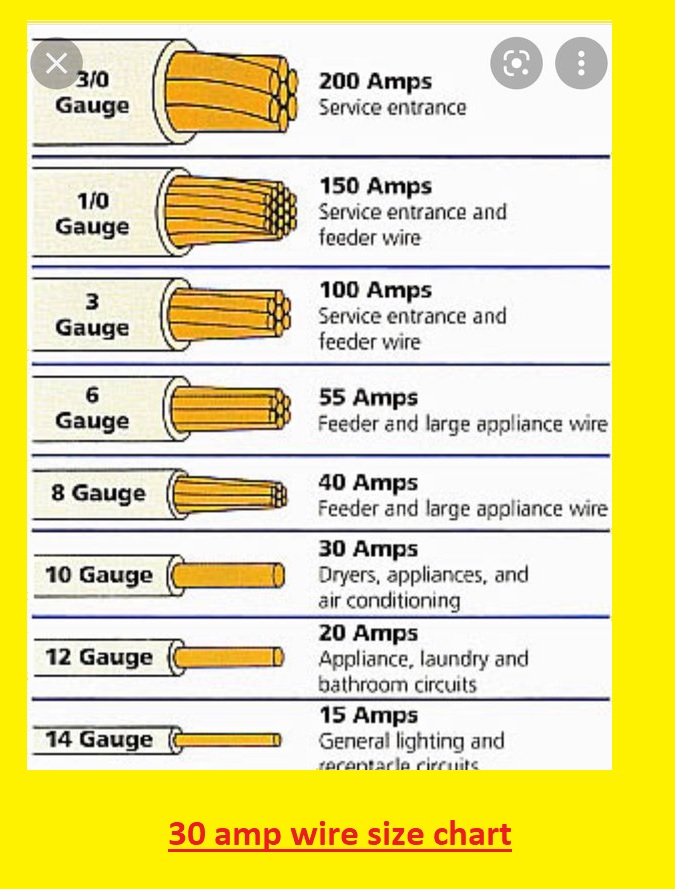
- AWG #10 Copper: This is the standard champion. Copper is an excellent conductor, durable, and widely used. It's often found as part of a cable assembly, like 10/2 NM-B (for 120V circuits needing a hot and neutral, plus ground) or 10/3 NM-B (for 240V circuits needing two hots, a neutral, plus ground). Always ensure it's rated for the appropriate temperature (often 90°C, but check the cable sheath).
Now, sometimes you might hear about aluminum wire. For 30 amps:
- AWG #8 Aluminum: If you opt for aluminum, you generally need a larger gauge because aluminum isn't quite as good a conductor as copper. So, while copper gets away with #10, aluminum usually needs #8 to carry the same 30 amps safely. Aluminum also requires specific connectors (CO/ALR rated) to prevent issues with oxidation and expansion/contraction, which can lead to loose connections and overheating. For most DIYers, copper is often the simpler, more straightforward choice.
A Crucial Twist: Distance Matters!
Here's a fun fact that often trips up even seasoned DIYers: the further electricity has to travel, the more voltage it loses along the way – a phenomenon known as voltage drop. Think of it like a long garden hose; the water pressure at the end isn't quite as strong as at the faucet.
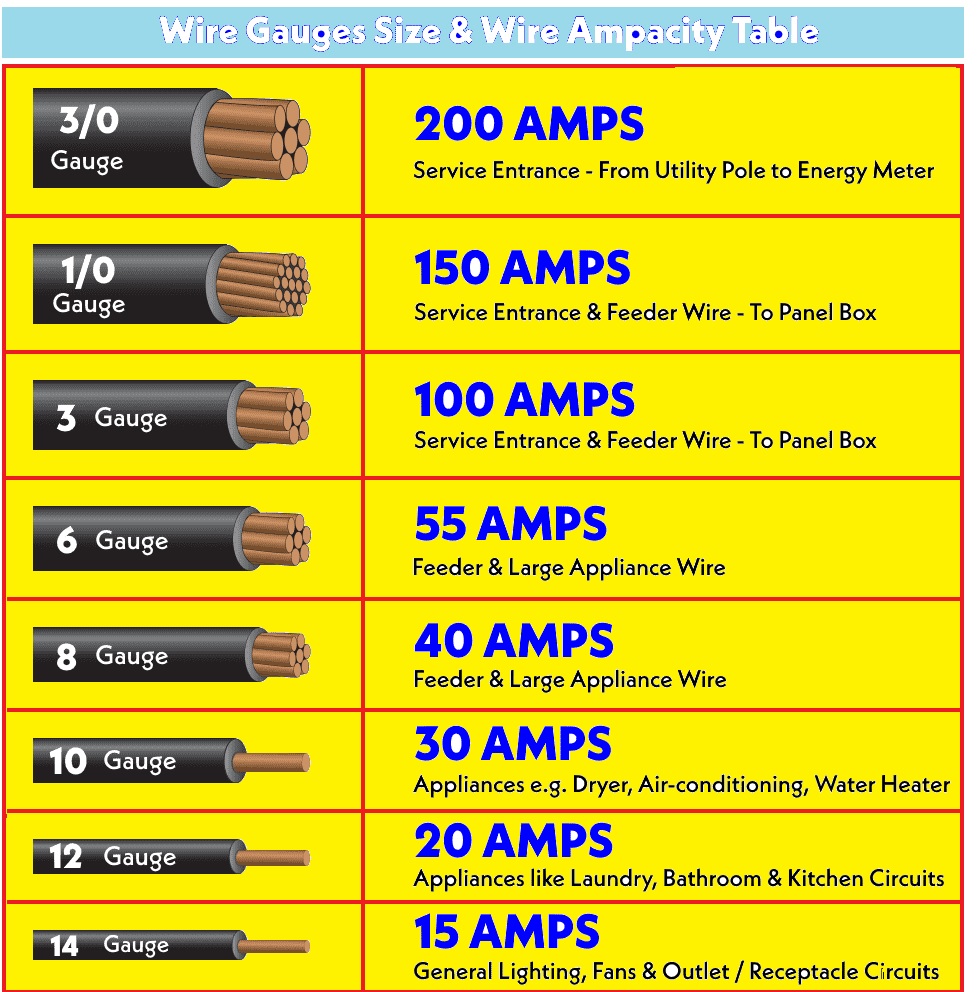
For circuits that run significant distances (say, over 50-75 feet), you might need to go up a wire size to compensate for voltage drop, even for a 30-amp circuit. So, for a really long run, that #10 copper might become #8 copper, or #8 aluminum might become #6 aluminum. This ensures your appliances get the full "oomph" they need and operate efficiently.
Smart Tips for a Seamless Setup
You're ready to tackle your project, but let's sprinkle in some wisdom from the pros:
- Always Check Local Codes: This is non-negotiable! Electrical codes (like the National Electrical Code, or NEC, in the US) are the bible for safe wiring practices. Your local municipality might have specific amendments. A quick call to your local building department can save you headaches and ensure everything passes inspection. Remember, these codes exist to keep you and your home safe – they're not just arbitrary rules!
- Consider the Breaker: The wire size and the circuit breaker (the safety switch in your electrical panel) must always be matched. A 30-amp wire needs a 30-amp breaker to protect it. The breaker is designed to trip and cut power if the current exceeds the wire's safe capacity.
- Type of Cable Matters: For indoor, dry locations, you'll often use NM-B cable (non-metallic sheathed cable, often called "Romex," though that's a brand name). For outdoors or wet/underground applications, you'll need UF-B cable (underground feeder), which is much more robust and water-resistant.
- When in Doubt, Call a Pro: Seriously, there's no shame in calling a licensed electrician. Electricity is not something to guess about. They can ensure your wiring is safe, up to code, and future-proof. Plus, they probably have some amazing electrical anecdotes!
The Current Connection to Daily Life
Choosing the correct wire size for your 30-amp service isn't just about a number; it's about investing in the safety and longevity of your home and hobbies. It's about knowing that your RV fridge will stay cold, your workshop tools will hum along without a hitch, and your new espresso machine won't plunge your kitchen into darkness. It's about taking that extra step to ensure everything runs smoothly, safely, and efficiently – a little like planning ahead for a perfect road trip or making sure all the ingredients are just right for a fantastic meal. Happy wiring!

