Size Of Air Conditioner For 2000 Square Feet
Okay, so picture this: it's a sweltering summer afternoon, the kind where even your sweat has sweat. I'm at my buddy Dave's place, "chilling" as he calls it (ironic, considering the temperature inside felt like a pizza oven). He's got this tiny window AC unit struggling to cool his 2000 sq ft house. It was like trying to put out a wildfire with a squirt gun. That's when I realized, a lot of people are clueless about AC sizing! So, let’s dive into figuring out the right AC size for a 2000 sq ft space.
You might be thinking, "Well, duh, just get the biggest one!" Hold your horses there, partner! (Are people still saying partner? Anyway...). Bigger isn't always better. An oversized AC will cool the room too quickly, shutting off before it properly dehumidifies the air. Result? A clammy, uncomfortable space. And a higher energy bill, to boot! Nobody wants that.
The BTU Breakdown: What's a BTU Anyway?
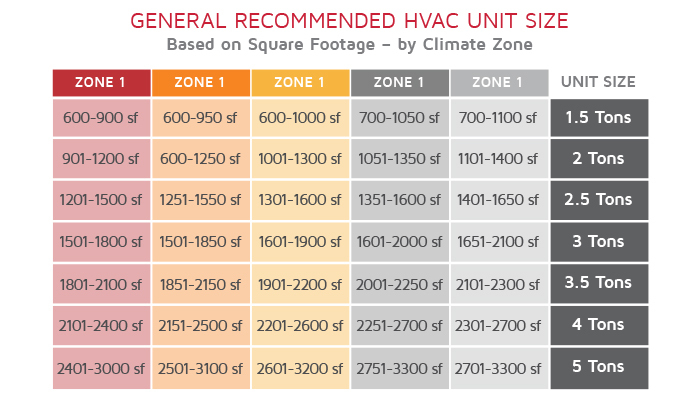
BTU stands for British Thermal Unit. It's basically a measure of how much heat an AC unit can remove from a room per hour. Now, for a 2000 sq ft space, a general rule of thumb suggests you'll need around 40,000 to 48,000 BTUs. But... and this is a BIG but... it's not just about the square footage. Think of it as a starting point.
Must Read
Why? Because several other factors come into play. We need to consider them, so you don't end up like poor Dave, sweating it out in his "chilled" home. (Spoiler alert: he got a new AC. A properly sized one!)
Factors That Affect AC Size: It's Not Just Square Footage!
Alright, let's get down to the nitty-gritty. These are the things you need to consider before you even think about hitting that "buy" button:
:max_bytes(150000):strip_icc()/air-conditioning-chart-1152654_final-02-c37c8b4fdf08432baf378e8f0cb9d8e0.jpg)
- Climate: Are you living in the scorching desert or a more temperate climate? Hotter climates obviously require more BTUs.
- Insulation: Good insulation keeps the cool air in and the hot air out. If your house is poorly insulated, you'll need a beefier AC. Think about it – it's like trying to keep a drink cold in a leaky thermos!
- Sun Exposure: Lots of windows facing the sun? That's going to heat things up. South-facing windows are the worst offenders, soaking up that solar heat.
- Ceiling Height: High ceilings mean more volume to cool. If you've got cathedral ceilings, you'll definitely need to bump up the BTU rating. (Fancy ceilings, fancy AC requirements!)
- Number of Occupants: More people, more body heat. It's simple math.
- Appliances: Certain appliances, like ovens and computers, generate a lot of heat. If you have a home office with a bunch of servers humming away, factor that in.
Seriously, don't skip over these factors! They can make a huge difference.
So, How Do You Calculate the Perfect Size?
Okay, time for some action. There are a few ways to figure this out. You could use online AC sizing calculators (just search for "AC BTU calculator"). They’ll ask you a bunch of questions about your home and give you an estimate.

Alternatively, and this is my strong recommendation, you could call in a professional HVAC technician. They can do a proper load calculation, taking all the factors into account. Yes, it might cost a bit more upfront, but it's worth it in the long run to get the right size and avoid energy waste and discomfort. Plus, they can advise you on the best type of AC system for your needs.
Final Thoughts (and a little jab at Dave)
Choosing the right size AC for your 2000 sq ft home is crucial for comfort, efficiency, and your wallet. Don't just guess! Do your research, consider all the factors, and, if possible, consult a professional. And maybe send this article to anyone you know who's still rocking an undersized AC unit. Especially if their name is Dave.
Remember, staying cool shouldn't break the bank (or make you sweat more!). Happy chilling! (The actual chilling kind.)