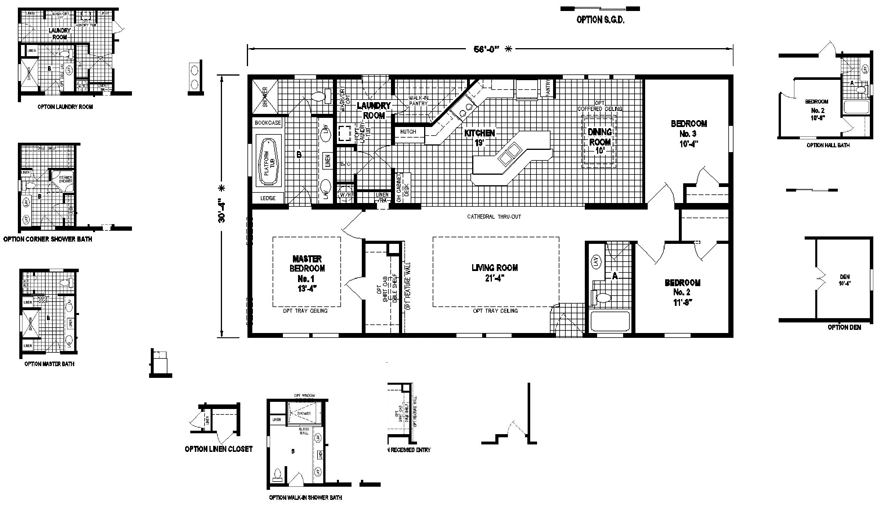
Single Wide Mobile Home Electrical Wiring Diagrams

Alright, gather 'round, folks! Let's talk about something near and dear to my heart... and hopefully not too near and dear to your heart in a shocking sort of way: Single Wide Mobile Home Electrical Wiring Diagrams!
Now, I know what you're thinking: "Electrical wiring diagrams? Sounds drier than a week-old biscuit!" But trust me, stick with me, this is going to be a wild ride... a mostly safe wild ride. We're talking about the secret language of electrons, the roadmap to preventing your toaster from staging a hostile takeover of your breaker box!
First off, let’s just acknowledge the elephant in the room: mobile home electrical systems can be…quirky. Let’s just say they’re built for efficiency, which sometimes translates to “cramped.” Ever tried to wire something in a mobile home and felt like you were performing surgery with boxing gloves? I feel you.
Must Read
Think of a wiring diagram as the Rosetta Stone of your electrical system. It's a map that shows you exactly where each wire is supposed to go, what color it should be (hopefully!), and how everything connects. Without it, you're basically playing electrical roulette. And trust me, the house always wins at electrical roulette. (Mostly by sending you to the emergency room for a sparky high-five.)
Why You (Might) Need One
So, why would you even need one of these things? Well, a few scenarios come to mind:

- You're renovating: Slapping in some new outlets? Adding recessed lighting to finally escape the fluorescent glare of the kitchen fixture? You need a diagram to ensure you’re not accidentally turning your bathroom fan into a disco ball (unless that's your goal, no judgement here!).
- You're troubleshooting: Something isn't working? Lights flickering like a possessed Christmas tree? A diagram can help you trace the circuit and pinpoint the problem without randomly poking around and hoping for the best. (Spoiler alert: "hoping for the best" rarely works with electricity.)
- You bought a fixer-upper: Ah, the siren song of "potential"! But potential can quickly turn into panic when you realize the previous owner's idea of electrical work involved duct tape and wishful thinking. A diagram will help you untangle the spaghetti of wires and restore order to the electrical chaos.
Decoding the Diagram: It's Not as Scary as it Looks (Probably)
Okay, so you’ve got your hands on a wiring diagram. Now what? Don't panic! It might look like a jumble of lines and symbols, but it's actually quite logical... in a slightly abstract, engineering-y kind of way.
Here's the basic breakdown:
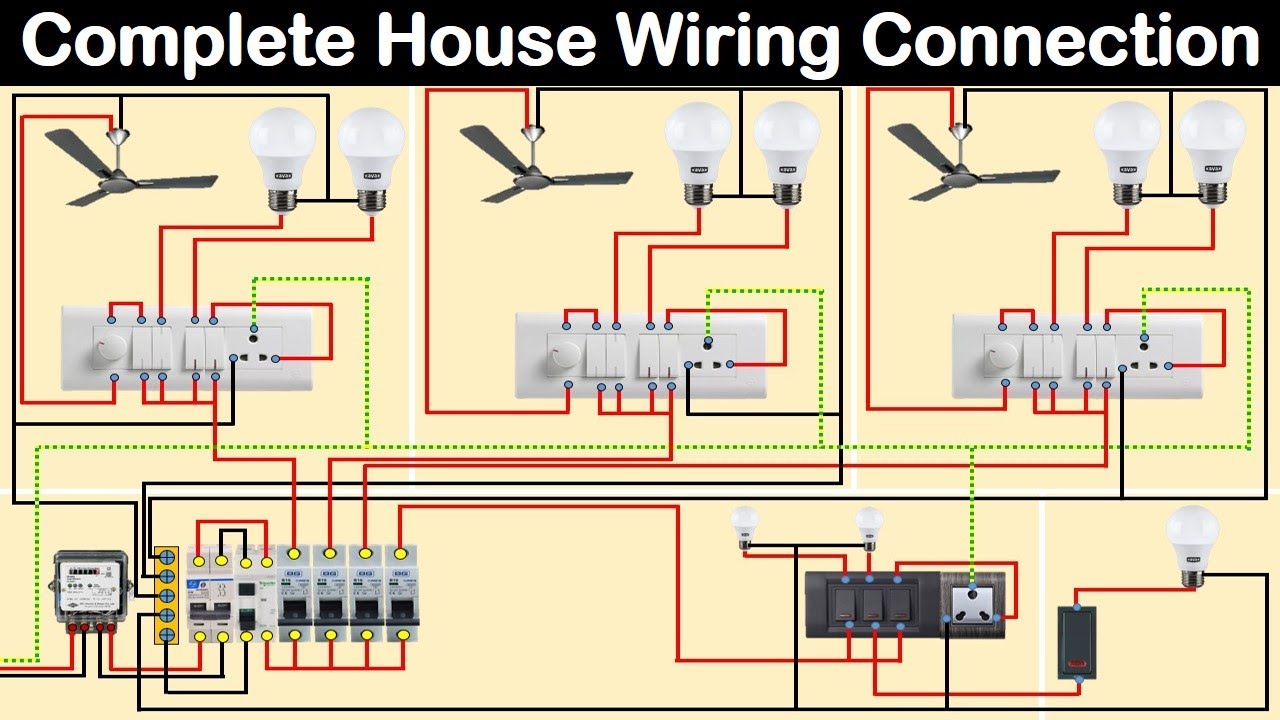
- Lines: These represent the wires themselves. Solid lines usually indicate a direct connection, while dashed lines might indicate a wire that runs behind a wall or through a conduit.
- Symbols: These represent electrical components like outlets, switches, lights, and appliances. There are standard symbols, but be aware that they can vary slightly depending on the age of the diagram and the drafter's personal artistic flair. (Some engineers are surprisingly creative with their squiggles.)
- Labels: The key to everything! Labels tell you what each wire is supposed to be connected to, its gauge (thickness), and sometimes even its color.
Pro-Tip: Color-coding is your friend! In theory, at least. White is usually neutral, black is hot (the one that carries the current), and green or bare copper is ground. But remember, this is a theory. Always double-check with a voltage tester before touching anything! I repeat, always double check!
Important safety note: If you're not comfortable working with electricity, hire a qualified electrician. Seriously. It's not worth risking your life or burning down your single wide for a DIY project gone wrong. Think of it as investing in your own personal safety and the continued existence of your mobile home. Plus, a good electrician can probably wire your house while juggling flaming torches. Okay, maybe not, but they are really good.

Where to find these magical diagrams? Well, check with the manufacturer of your mobile home. Sometimes they have them available. If that doesn't work, a local electrician might have access to some resources. Or, you could try scouring the internet – but be careful, because you're just as likely to find a diagram for a flux capacitor as you are for a proper electrical system.
In conclusion, single-wide mobile home electrical wiring diagrams can seem intimidating, but they are essential tools for anyone doing electrical work. Armed with a diagram, a bit of common sense, and maybe a healthy dose of fear (electricity is scary!), you can tackle your electrical projects with confidence. Just remember, when in doubt, call a pro! Your safety (and your mobile home) will thank you for it. Now, if you'll excuse me, I'm going to go check if my toaster is plotting its revenge...