
Similarities Between Nuclear Fission And Nuclear Fusion

Okay, people, let's talk nuclear physics. Don't run away! It's not as scary as it sounds. In fact, I'm here to argue something potentially controversial: nuclear fission and nuclear fusion? Kinda the same, right?
I know, I know. You're thinking, "Wait a minute! Fission is splitting atoms, and fusion is smashing them together. How are they the same?" Hear me out!
Think of it like baking. Fission is like taking a giant cake, maybe a uranium cake (sounds delicious!), and chopping it into smaller pieces. Each piece is still cake, but you have more of them. It's a bit messy, and you get some extra crumbs – those are the neutrons whizzing around.
Must Read
Fusion, on the other hand, is like taking a bunch of tiny marshmallows (hydrogen marshmallows, naturally!) and squishing them together really, really hard until they become one bigger, gooier marshmallow. You still have marshmallow, but it’s bigger and has more... marshmallow-ness.
See? Same basic principle: you're messing around with stuff at the atomic level.
They're Both About Energy, Duh!
The biggest similarity, the one that really matters, is this: both fission and fusion release TONS of energy. Like, a ridiculous amount. It's why we use them (or try to use them, in the case of fusion) for power.
In fission, the smaller cake pieces, plus those extra neutrons, have a little less mass than the original giant cake. Where did that mass go? Bingo! It turned into energy, thanks to good old Einstein and his famous E=mc². That’s the same for fusion. Less total mass after the marshmallow squish? Hello, energy!
It’s like magic… or, you know, physics. But let's stick with magic, it's more fun.

They Both Need a Kickstart
Now, you can't just leave a uranium cake sitting around and expect it to spontaneously explode. You need to give it a little nudge, right? That nudge usually comes in the form of a neutron. Boom! Fission party starts.
Fusion is the same, but even more demanding. Those hydrogen marshmallows are really stubborn. They don't want to smoosh together. You need to heat them up to insane temperatures and squeeze them with incredible pressure. Think of it like trying to make a diamond out of marshmallows using a really, really angry microwave.
So, both processes need a "starter kit," some kind of input to get the reaction going.

Controlled Chaos
Here's another similarity: we need to control them. Fission, in a nuclear reactor, is carefully managed. We don't want the whole uranium cake to explode at once (bad!). We want a steady, controlled release of energy to boil water and turn turbines.
Fusion? We're still trying to control it! It's like trying to hold a miniature sun in a magnetic bottle. Tricky! But the principle is the same: we need to harness the energy, not just let it run wild.
Okay, Okay, They're Not Exactly the Same
Alright, fine. I admit it. Fission and fusion are different processes. One splits, the other joins. One uses heavy elements, the other light elements. Fission is relatively "easy" (quotes very much intended), while fusion is the holy grail of energy production.
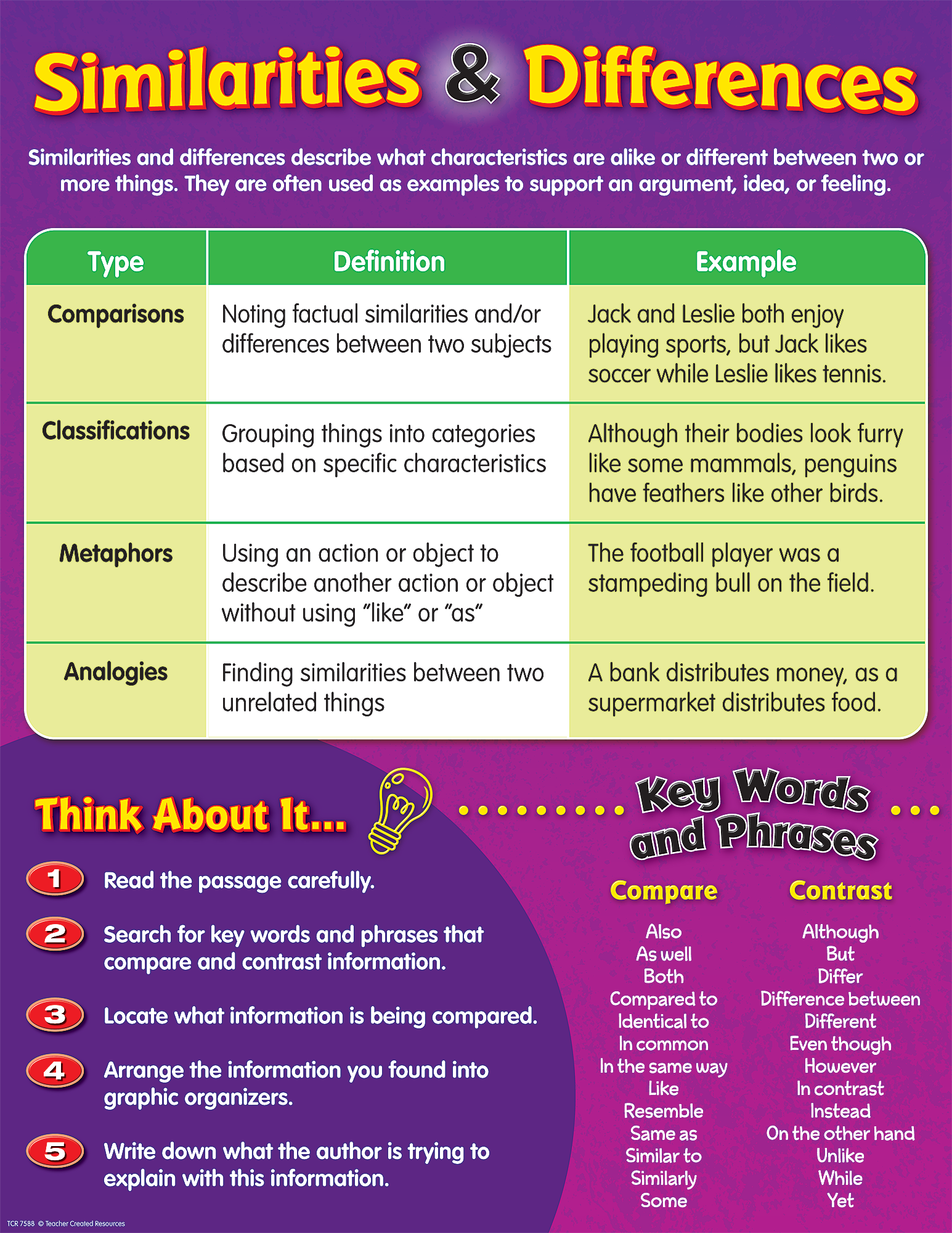
But… they're still two sides of the same coin, right? They both involve messing with atoms, they both release massive amounts of energy, and they both have the potential to change the world.
So, next time you hear someone talking about nuclear energy, remember my unpopular opinion. Fission and fusion: distant cousins in the wacky world of atomic shenanigans. And maybe, just maybe, bring some cake or marshmallows to celebrate. (Just not uranium flavored, please.)
Think of it as atomic alchemy! You are changing elements by either splitting or smashing them!