Signs Water Heater Is Going Out
Okay, let's talk about that unsung hero in your home. The one that works tirelessly, day in and day out, giving you glorious hot showers, sparkling clean dishes, and warm laundry water. We're talking about your water heater. It’s easy to forget it’s even there, until... well, until it decides to stage a dramatic exit. But what if you could see the signs coming? What if you could become a sort of water heater whisperer, spotting trouble long before that first icy shower surprise? It's not as hard as you might think!
Being prepared means being observant. Think of yourself as a super-sleuth, checking for clues. These everyday hints can save you from a major headache and a chilly morning.
The Age Factor: How Old Is It?
First things first: how old is your trusty hot water provider? Like people, water heaters have a lifespan. Most models are built to last about 8 to 12 years. If yours is creeping up on that double-digit mark, or even past it, consider that a major hint. It’s like a car with high mileage – it might still run, but you start expecting more trips to the mechanic. Checking its age is often the first, easiest step. Look for a sticker on the side of the tank with the installation date or serial number.
Must Read
The Sound Check: What's That Noise?
Has your water heater started making strange noises? We're not talking about a gentle hum. We mean rumbling, popping, or even banging sounds. It can sound a bit like a tiny popcorn machine inside the tank! These noises usually point to sediment buildup. Over time, minerals in your water settle at the bottom of the tank. When the heating element kicks on, it tries to heat water trapped under this sediment. The trapped water boils, creating steam bubbles that then burst. That's your popping sound. This sediment makes your heater work harder, wastes energy, and can really shorten its life. A noisy tank is definitely waving a red flag.
The Visual Cues: Leaks and Rust
This one is pretty obvious, but easily missed if your water heater is tucked away in a closet or basement. Go take a peek around the base of your tank. Do you see any puddles? Any drips? Even a tiny bit of moisture can be a sign of trouble brewing. A leaking water heater is like a slow-motion disaster waiting to happen. It could be a loose connection, a failing pressure relief valve, or worst of all, a crack in the tank itself. A crack in the tank means it’s game over.

Don't ignore those tell-tale drips! Catching a leak early can save you from a much bigger, wetter mess later on.
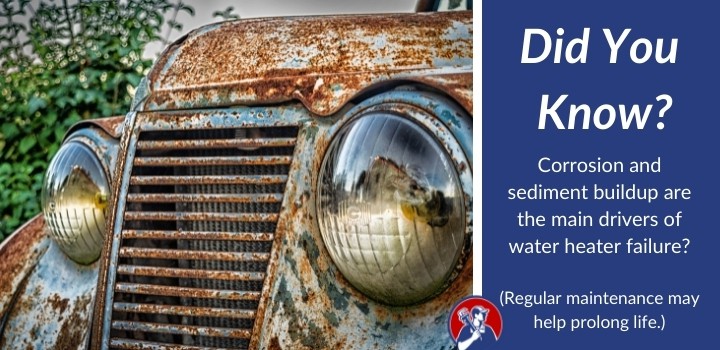
Also, take a look at the outside of the tank. Do you see any rust spots forming on the exterior, especially near connections or the pressure relief valve? Rust anywhere on or around your water heater is a definite sign that things are heading south. When you turn on the hot water tap, does it look a bit... rusty? Like it’s been mixed with tea? If the hot water coming out of your faucets has a reddish or brownish tint, that’s a big clue. It might mean the inside of your water heater tank is starting to rust. And once the rust starts on the inside, it’s only a matter of time before it eats right through the tank, leading to a major leak.
The Sensory Surprises: Smelly Hot Water
Okay, this one is pretty unforgettable once you experience it. If your hot water smells like rotten eggs, that's usually thanks to a certain type of bacteria reacting with your water heater's anode rod. While it might not always mean your heater is dying, it’s a sign something is amiss inside the tank and it’s certainly not pleasant. This can sometimes be fixed, but it’s definitely a symptom that deserves attention and indicates an unhealthy internal environment for your water heater.
Performance Issues: No Hot Water or Slow Recovery
This is often the final straw, the unmistakable signal. Are your showers getting colder faster? Do you run out of hot water quicker than usual? Or does it take an eternity for the water to heat up after someone’s used a lot? This could mean your water heater isn't heating efficiently anymore. Perhaps the heating element is failing, or that sediment buildup is so severe it’s preventing proper heat transfer. Whatever the reason, if your hot water supply isn't keeping up like it used to, your water heater is sending a clear distress signal. This isn't just an inconvenience; it's a sign that your appliance is working overtime, probably struggling, and consuming more energy than it should.
So there you have it! Your crash course in becoming a water heater detective. Don't wait for the ice-cold shower apocalypse to strike. Take a few minutes, peek at your trusty hot water tank. Listen to it. Look for those subtle clues. Catching these signs early can save you a lot of hassle, a lot of cold showers, and potentially a lot of money in emergency repairs. Be curious, be observant, and you just might extend the life of your unsung hero – or at least be prepared for its graceful retirement. Your comfort (and dry basement) will thank you!