Signs Of Gas Leak In Home

Okay, let's talk about something that might sound a little serious, but knowing about it is actually super empowering and, dare we say, even a bit like having a superpower! We're diving into the world of gas leaks in your home. Now, before you imagine sirens and drama, think of this as your personal guide to becoming a home safety wizard. Why is this topic "fun" or popular? Because being informed means being prepared, and that brings a wonderful sense of confidence, knowing you can keep your loved ones safe. It’s about being proactive, not reactive, and turning a potential worry into a topic you feel confidently knowledgeable about.
The purpose here is simple: to equip you with the knowledge to recognize the subtle, and not-so-subtle, signs that something might be amiss with your home’s gas supply. The benefits? Immense! Early detection of a gas leak can prevent serious accidents, protect your property, and most importantly, safeguard the health and well-being of everyone living under your roof. It's like having an invisible shield of awareness!
So, let's get down to the nitty-gritty – what are those crucial signs you need to look out for?
Must Read
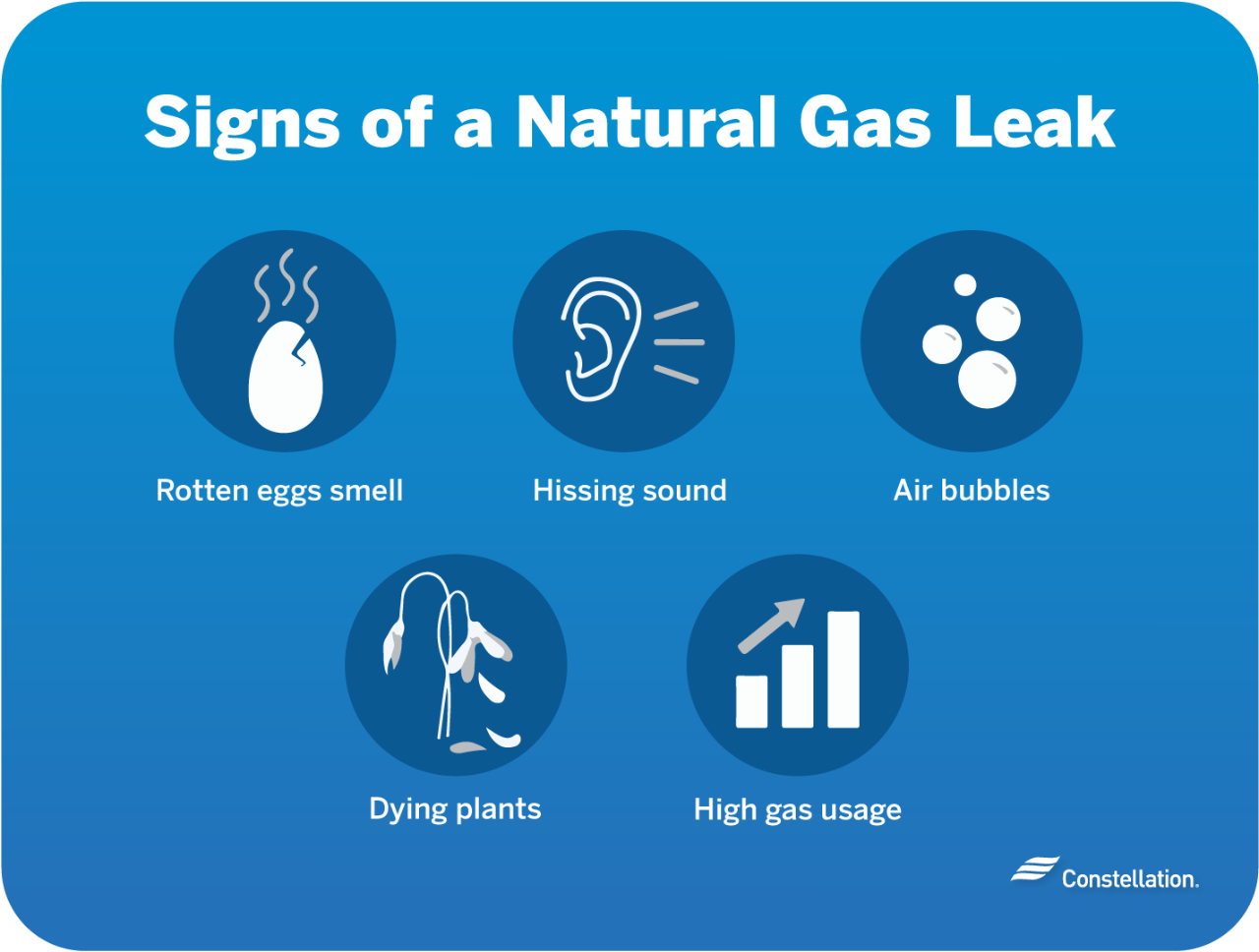
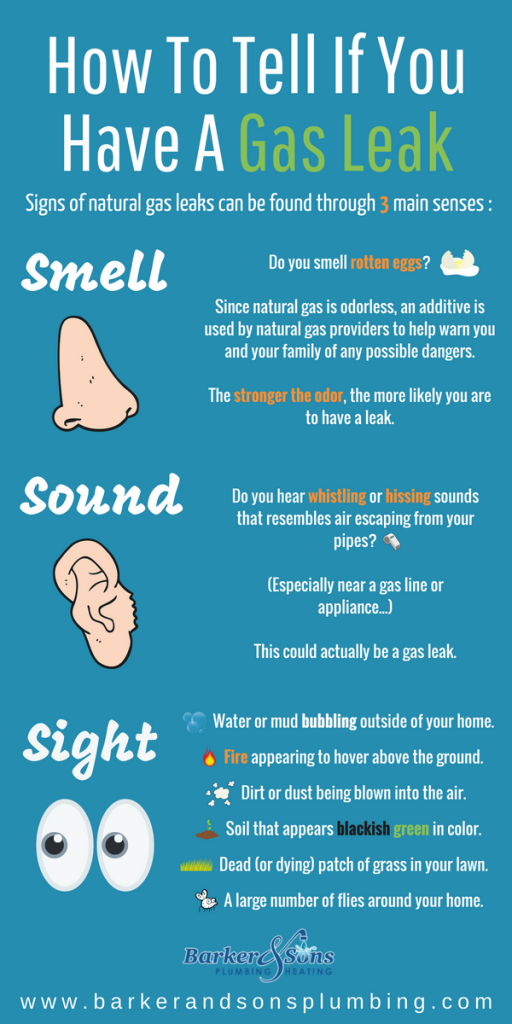
First up, the most famous sign: The Rotten Egg Smell. Natural gas is actually odorless, but utility companies add a chemical called mercaptan to it, which gives it that distinctive, pungent smell of sulfur or rotten eggs. If you catch a whiff of this in your home, do not ignore it. Your nose is your first and best detector here!
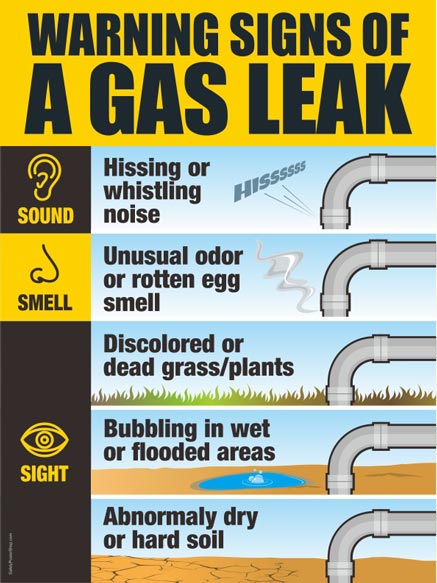
Next, let your ears do some work: Hissing or Whistling Sounds. If you hear an unusual hissing, whistling, or roaring sound near a gas line, appliance, or even coming from behind a wall, it could indicate gas escaping under pressure. This sound is often subtle, so in a quiet moment, it’s worth a listen.
Your eyes can also give you clues. Look for Visual Cues. Are there bubbles in standing water outside your home (like a puddle over a buried gas line)? Are house plants that were once thriving suddenly wilting or dying without explanation? Inside, if your gas stove or furnace flame is usually blue but now looks yellow or orange, it could be a sign of incomplete combustion, which can sometimes be linked to gas issues. Also, look for visible damage to gas pipes or connections.
Don't forget the most important indicator: Physical Symptoms in People or Pets. Gas leaks can cause health issues. In humans, symptoms might include dizziness, nausea, headaches, fatigue, disorientation, or even flu-like symptoms. Pets can also show signs of distress, such as lethargy, loss of appetite, or difficulty breathing. If multiple people in the home experience these symptoms simultaneously and they improve when you go outside, a gas leak might be the culprit.
So, what's the takeaway? Trust your senses! If you suspect a gas leak, the most important thing is to act quickly and calmly. Do NOT turn electrical appliances on or off, use your phone inside, or light anything. Get everyone, including pets, out of the house immediately and call your gas company's emergency line or 911 from a safe distance. Knowing these signs isn't about fear; it's about empowerment, safety, and being the vigilant guardian of your cozy abode!
:max_bytes(150000):strip_icc()/how-to-spot-signs-of-a-gas-leak-2718710_final-5bb51e9cc9e77c00513a80e5.png)